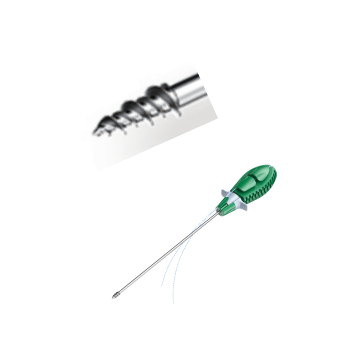
![Are suture anchors metal]()
Suture anchors are essential implants used in orthopedic soft tissue fixation procedures. Different materials, including metal, PEEK, and biocomposite materials, offer different characteristics for strength, imaging compatibility, and surgical applications.
Key Takeaways
Suture anchors can be made from metal, plastic like PEEK, or materials that break down in your body. Each kind has special benefits for surgery and healing.
Picking the right suture anchor material can affect how you heal. Talk with your doctor about choices to find what fits your needs.
Metal anchors are strong and show up on X-rays. This makes them good for many surgeries. But they can make MRI scans harder.
Biodegradable anchors break down inside your body. You do not need another surgery to remove them. People like them because they are safe and work well.
Both metal and non-metal anchors help you heal well. How you recover depends more on your injury and your doctor's advice than on the anchor type.
Suture Anchors Overview
What Are Suture Anchors
You might wonder what suture anchors do in surgery. Suture anchors are tiny devices. They help doctors attach soft tissue to bone. Soft tissue includes things like tendons and ligaments. Doctors use suture anchors in sports medicine and orthopedic surgeries. These anchors fix torn tissues back to where they belong. This helps your body heal and get stronger.
Suture anchors hold stitches in place while you heal.
They are used in surgeries with small cuts for quicker recovery.
Doctors pick suture anchors because they are strong and stable.
Good suture anchors are easy to use and keep stitches safe.
Why Material Matters
You may ask why the material of suture anchors is important. The material changes how well the anchor works and how your body reacts. Suture anchors can be metal, plastic, or biodegradable. Each kind has its own good points.
The material affects how strong the anchor is and how long it lasts.
Metal anchors show up on X-rays, so doctors can check healing.
Plastic anchors like PEEK do not show up on scans, which can help sometimes.
Biodegradable anchors slowly break down and your body absorbs them.
Picking the right material can help lower pain and problems after surgery.
Some new anchors help bone grow into them, which helps healing.
You should talk to your doctor to choose what fits your needs best. As an experienced orthopedic implant manufacturer, XC Medico provides suture anchors and sports medicine implants with professional manufacturing capabilities and global supply support.
Types of Suture Anchor Materials
![Suture Anchor Materials]()
Suture anchors are made from different materials. Each type has its own benefits for surgery and healing. The main types are metal, PEEK and other plastics, and biodegradable or biocomposite choices.
Metal Suture Anchors
Non-absorbable suture anchors, including metal anchor options, have been widely used in orthopedic soft tissue fixation. They are strong and reliable. Doctors use metal anchors to hold tissue tightly to bone. Metal anchors show up well on X-rays, so doctors can check healing. Sometimes, metal anchors can make MRI scans harder to read. If you need another surgery, metal anchors can be tough to remove because they do not dissolve or mix with bone.
Tip: Metal anchors are best when you need something strong that lasts. Your doctor might pick them for certain injuries or when you need extra strength.
Material Type | Mechanical Properties | Clinical Advantages |
Metal Anchors | Easy to use, easy to see on X-rays | Very strong, but can make MRI scans difficult |
PEEK and Polymer Anchors
PEEK and other plastic anchors are now more common. PEEK suture anchors do not have any metal in them. PEEK is a tough plastic that does not wear out easily. These anchors do not show up on X-rays, which can help in some cases. PEEK anchors are stable and do not cause bad reactions in your body. Doctors like PEEK anchors because they last and fit well with bone.
Some anchors, like XC Medico’s PEEK Knot-Free Anchors, do not need knots. These make surgery easier and faster. Non-absorbable anchors, like PEEK, stay in your body and keep giving support.
Characteristic | PEEK Anchors | Metal Anchors |
Stability | Very stable | Very stable |
Inertness | No bad reactions | Sometimes varies |
Imaging | Not seen on X-ray | Seen on X-ray |
Hydrolysis Resistance | Does not break down | Not needed |
Note: Knotless and all-suture anchors are getting more popular. You might want these if you want a smaller surgery.
Biodegradable and Biocomposite Options
Biodegradable anchors are becoming more popular, especially for younger people. These anchors slowly break down in your body. You do not need another surgery to take them out. Biocomposite anchors mix plastics with things like calcium or ceramics. These help bone grow into the anchor and help healing.
Some anchors are made from PLGA or β-TCP. These break down at different speeds, with some losing up to 60% of their size in 30 months. Studies show that biodegradable anchors heal just as well as anchors that do not break down.
Material Type | Absorption Rate at 30 Months | Notes |
Biocomposite (PLGA/β-TCP) | At least 60% | Made to break down slowly, called third-generation biomaterial. |
Biodegradable Suture Anchors | 50% to 100% | Good healing rates in rotator cuff repairs. |
Bioabsorbable anchors are liked because they do not cause long-term problems.
Non-absorbable anchors, like PEEK, are still used for their strength.
Hybrid and biocomposite anchors are used more because they are easy and quick.
You can pick from many kinds of suture anchors. XC Medico has PEEK Knot-Free Anchors, Non-absorbable Suture Anchors, and PEEK Corded Anchors. These choices help you find what works best for your surgery.
Clinical studies say there is no big difference in healing between biodegradable and non-biodegradable anchors. You can trust that today’s suture anchors, no matter the material, help you heal and recover.
Material Type | Market Share (2024) | Trend Over Past Decade |
Bioabsorbable Polymers | Going up | More people choose them for fewer long-term problems |
Non-absorbable (PEEK, Metal) | 54.28% | Still used a lot because they are strong |
Hybrid/Bio-composite | N/A | Used more for easy use and shorter surgeries |
You should talk to your doctor or supplier about which suture anchor is right for you. The best choice depends on your injury, age, and how you want to recover.
Metal vs. Non-Metal Suture Anchors
![Metal vs. Non-Metal Suture Anchors]()
Durability and Strength
When you pick suture anchors, you want them to hold tissue tight and last while you heal. Metal anchors have been used for a long time and are very strong. In lab tests, metal anchors can handle more force than animals like rabbits use when they hop. This means metal anchors are strong enough for tough repairs. Some metal anchors have special parts, like eyelets, that make them even more reliable and less likely to break during surgery.
Non-metal anchors, such as PEEK or biodegradable ones, are also strong. Studies with human tissue show that both metal and non-metal anchors can handle about the same amount of force before breaking. But, the way they break can change depending on where they are used in your body. This means you and your doctor can choose the anchor that matches your injury and how active you are.
Metal anchors: Very strong, used in many surgeries
Non-metal anchors: Strong for most repairs, but may work differently in some body parts
Imaging and Compatibility
After surgery, doctors use scans like X-rays, MRI, or CT to check your healing. Metal anchors show up clearly on X-rays, so doctors can see where they are. But metal can make MRI scans hard to read. The metal makes shadows, called artefacts, that hide soft tissues or problems like retears. This can make it hard for doctors to agree on what they see in the pictures.
Non-metal anchors, like PEEK or other safe materials, do not make these artefacts. This helps your doctor see your healing tissue better. Some biodegradable anchors can cause small reactions, like cysts, that show up on scans. Sometimes, doctors use special scans to see around metal artefacts, but these do not always work perfectly.
Tip: If you might need more scans or have had many MRIs, ask your doctor about non-metal suture anchors.
Healing and Integration
How suture anchors work with your bone and tissue changes how you heal. Metal anchors hold tissue tight and work well in many cases. But they do not mix with bone or go away over time. They stay in your body unless a doctor takes them out.
Non-metal anchors, especially biodegradable ones, slowly break down and your body absorbs them. Some new biodegradable metals, like magnesium alloys, help bone grow and fill the space left by the anchor. This can help you heal better and make the repair stronger. Magnesium ions help bone grow and help the tendon stick better than regular metal anchors.
Here is a table that shows how different anchors work with your body:
Type of Anchor | Advantages | Disadvantages |
Non-biodegradable Metal | Very strong, used in many surgeries | Might move, may need surgery to remove, rare reactions |
Biodegradable Polymer | Breaks down slowly, less likely to move, no removal needed | Not as strong, can cause swelling, breaks down faster |
Biodegradable Metal | Strong, helps bone grow, fits well with tissue | Still new, long-term effects not fully known |
Risks and Complications
Most people do well with suture anchors, but each type has some risks. Metal anchors can sometimes cause allergies. Rarely, people get rashes, itching, or redness after surgery with metal anchors. These problems usually stop if the anchor is taken out. In very rare cases, the body may not accept the anchor, causing bigger problems.
Non-metal anchors, like PEEK or biodegradable ones, usually do not cause allergies. But some biodegradable anchors can cause swelling or cysts as they break down. These problems do not happen often, but you should know about them.
Metal anchors: Rare allergies, might need to be removed
Non-metal anchors: Rare swelling or cysts, allergies are not common
Note: Always tell your doctor if you are allergic to metals or have had problems with implants before. This helps you stay safe and pick the best anchor for your surgery.
How Suture Anchor Materials Affect Surgical Applications
Safety and Biocompatibility
You want to make sure the things put in your body are safe. Suture anchors must follow strict rules from groups around the world. These rules check for things like if the anchor is poisonous, causes allergies, or has bad effects over time. The table below lists the main safety tests for suture anchor materials:
Endpoint Type | Duration of Contact |
Cytotoxicity | Permanent |
Sensitization | Permanent |
Irritation or Intracutaneous Reactivity | Permanent |
Acute Systemic Toxicity | Permanent |
Material-Mediated Pyrogenicity | Permanent |
Subchronic toxicity | Permanent |
Genotoxicity | Permanent |
Implantation | Permanent |
Chronic Toxicity | Permanent |
Carcinogenicity | Permanent |
Cytotoxicity | Temporary |
Sensitization | Temporary |
Irritation or Intracutaneous Reactivity | Temporary |
Acute Systemic Toxicity | Temporary |
Material-Mediated Pyrogenicity | Temporary |
XC Medico follows documented quality systems and inspection processes for orthopedic implants. These materials help lower the chance of bad reactions and help you heal safely.
Impact on Future Procedures
If you ever need another surgery, the anchor type matters. Some suture anchors, like all-suture ones, help keep more bone in place. This can make it easier if you need another surgery later. The table below shows how your anchor choice can change future surgeries:
Evidence Description | Implication for Future Surgeries |
All-suture anchors may facilitate easier revision after surgical failure due to their design that preserves bone stock. | This suggests that the choice of anchor material can impact the ease of future revision surgeries. |
All-suture anchors showed lower failure loads compared to traditional anchors. | This indicates potential challenges in future procedures if the anchor fails, affecting revision options. |
You should talk to your doctor about which anchor is best for your future needs.
Recovery and Rehabilitation
You want to heal well and get back to normal life. Studies show people with metal or non-metal suture anchors do about the same. The chart below compares how patients feel after getting metal or all-suture anchors:
Both types give good shoulder scores and few problems. You can expect to recover well with either kind. Your rehab plan depends more on your injury and your doctor’s advice than on the anchor material.
Discussing Options with Your Surgeon
You should always ask your surgeon about the materials they will use. Ask if the suture anchors are safe for your body and if they could affect future care. Make a list of questions, like:
What type of anchor will you use?
Is the material safe for my body?
Will it affect future scans or surgeries?
How will it impact my recovery?
Tip: Talking openly with your doctor helps you feel sure and know what to expect about your care.
There are lots of suture anchor types you can pick from. Today’s materials are made to be strong and safe. They also help you heal well. Research says no one material is the best for everyone. All of them give good support and results. Some new kinds, like knotless and all-suture anchors, help make surgery safer and easier. You should talk to your doctor to choose what fits you best. XC Medico provides sports medicine implant solutions including suture anchors and related orthopedic products.
FAQ
Are all suture anchors made of metal?
Not all suture anchors are metal. Some are made from PEEK plastic. Others use biodegradable materials. Each kind helps in different ways during surgery and healing.
Can you see suture anchors on X-rays or MRI scans?
Metal anchors show up on X-rays. PEEK and biodegradable anchors do not show up on X-rays. Metal anchors can make shadows on MRI scans.
Do suture anchors stay in your body forever?
Metal and PEEK anchors stay in your body unless a doctor takes them out. Biodegradable anchors slowly dissolve, and your body takes them in over time.
Are suture anchors safe for most patients?
Suture anchors are made from safe materials. They are tested to make sure they work well in your body. Tell your doctor if you are allergic to metals or plastics.
How do I choose the right suture anchor material?
You should talk with your doctor or supplier. Your injury, age, and what you need in the future help you pick the best anchor material.