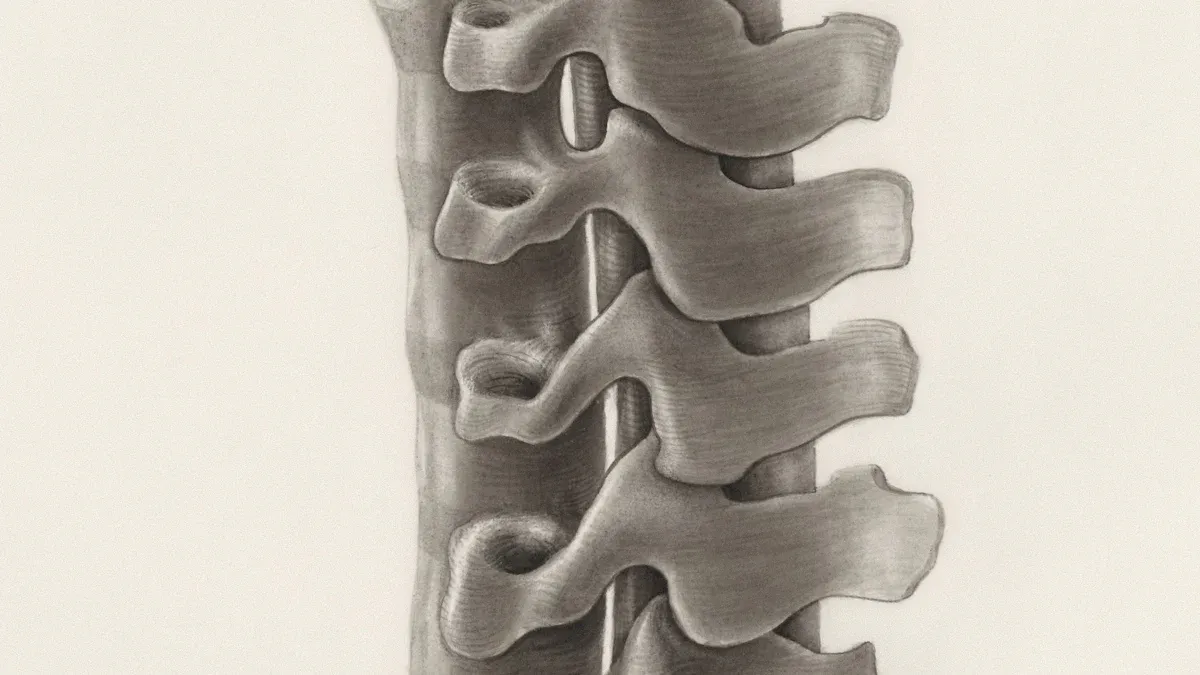
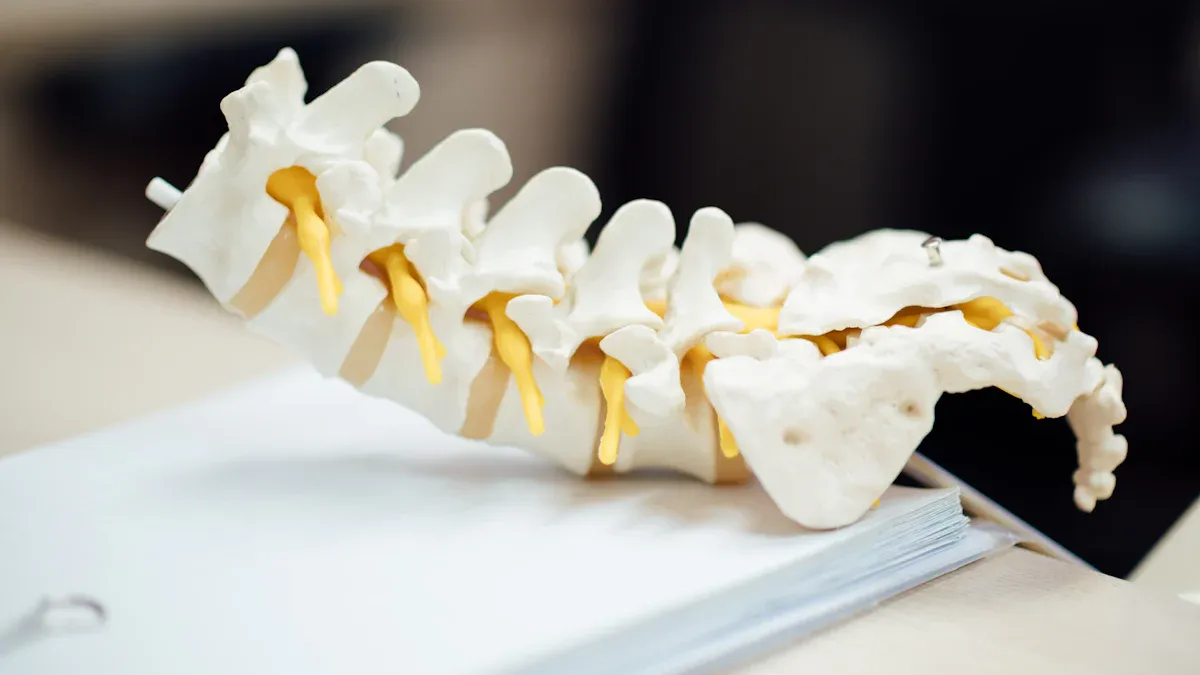
![PEEK interbody fusion cages for cervical and lumbar spine surgery]()
Interbody fusion cages are essential components in modern spinal fusion procedures. These implants are designed to restore disc space, maintain spinal alignment, provide structural support, and create a suitable environment for bone fusion.
With the development of minimally invasive spine surgery and advanced biomaterials, interbody fusion cage designs have continued to evolve. Surgeons and healthcare providers now have multiple options, including cervical cages, TLIF cages, PLIF cages, ALIF cages, and OLIF cages, depending on surgical approach and clinical requirements.
For hospitals, distributors, and OEM partners, selecting a reliable interbody fusion cage manufacturer requires evaluation of product design, material quality, manufacturing capability, regulatory support, and long-term supply stability.
Key Takeaways Interbody fusion cages support spinal fusion procedures by restoring disc height and maintaining structural stability.
Different surgical approaches require different cage designs, including ACDF, TLIF, PLIF, ALIF, and OLIF cages.
PEEK and titanium remain the two primary materials used in modern spinal cage manufacturing.
Manufacturing precision, quality control systems, and customization capability are important factors when choosing a spinal implant supplier.
XC Medico provides interbody fusion cage solutions for global orthopedic distributors and medical partners.
What Are Interbody Fusion Cages
Structure and Function of Spinal Interbody Cages
Interbody fusion cages are implantable devices placed between adjacent vertebral bodies during spinal fusion surgery. They are designed to replace damaged disc space and provide mechanical support while bone fusion develops.
A typical interbody cage design includes a hollow internal structure that allows placement of bone graft material, an external surface optimized for stability, and radiopaque markers that assist imaging evaluation after implantation.
| Design Feature | Purpose |
| Central graft window | Provides space for bone graft materials during fusion procedures. |
| Anatomical footprint design | Helps distribute loads across the vertebral endplates. |
| Textured or porous surface | Supports bone integration at the implant interface. |
| Radiopaque markers | Allow visualization of cage position during imaging. |
Role of Interbody Fusion Cages in Spine Surgery
During spinal fusion procedures, the cage functions as a structural spacer between vertebrae. It helps restore disc height, maintain alignment, and provide support while fusion occurs.
Different surgical techniques require different cage geometries. For example, cervical cages are designed for smaller anatomical spaces, while lumbar cages require larger footprints and different insertion angles.
XC Medico develops spinal implant solutions covering multiple fusion approaches, including:
Types of Interbody Fusion Cages
Interbody fusion cages are categorized according to anatomical location, surgical approach, material selection, and implant design. Understanding these differences helps hospitals and distributors select suitable product portfolios.
Cervical Interbody Fusion Cages
Cervical cages are commonly used in ACDF procedures where disc height restoration and cervical stabilization are required. These cages are designed to restore cervical disc height and provide stabilization between cervical vertebrae.
| Feature | Cervical Cage Characteristics |
| Primary application | Anterior cervical fusion procedures |
| Common material | PEEK or titanium alloy |
| Design focus | Compact footprint and anatomical fit |
TLIF Interbody Fusion Cages
TLIF cages are designed for transforaminal lumbar interbody fusion procedures. The cage is inserted through a posterior-lateral approach and supports lumbar segment stabilization.
Modern TLIF cages often include angled profiles, optimized footprints, and insertion features designed for minimally invasive spine surgery workflows. For surgeons and distributors evaluating TLIF surgical solutions the cage design should match the requirements of transforaminal lumbar interbody fusion procedures.
PLIF Interbody Fusion Cages
PLIF cages are used in posterior lumbar interbody fusion procedures. These cages are inserted from a posterior approach and are designed to restore lumbar disc height while supporting fusion.
XC Medico provides PLIF surgical solutions with compatible lumbar interbody cage systems.
ALIF Interbody Fusion Cages
ALIF cages are designed for anterior lumbar interbody fusion procedures. Their larger footprint helps address lumbar alignment requirements and provides support across the disc space. ALIF procedures often require larger footprint cages designed for anterior lumbar access.
OLIF Interbody Fusion Cages
OLIF cages are developed for oblique lumbar interbody fusion procedures. These cages typically feature larger footprints and designs suitable for lateral access techniques. OLIF fusion solutions use specialized cage designs for lateral access approaches.
PEEK vs Titanium Interbody Fusion Cages
Material selection is one of the most important considerations in spinal cage manufacturing. PEEK and titanium are widely used because they provide different mechanical and imaging characteristics.
| Material | Characteristics | Common Applications |
| PEEK | Radiolucent material with elastic properties similar to bone | Cervical cages, TLIF cages, PLIF cages |
| Titanium alloy | High strength and excellent mechanical stability | Expandable cages and structural support applications |
| PEEK with titanium coating | Combines imaging advantages with surface modification technology | Advanced spinal fusion applications |
Advantages of PEEK Cage Manufacturing
Radiolucent properties allow clearer postoperative imaging evaluation.
Elastic modulus closer to bone compared with traditional metals.
Suitable for different lumbar and cervical fusion cage designs.
Compatible with customized implant development.
Advantages of Titanium Cage Manufacturing
High mechanical strength for demanding fusion applications.
Excellent durability for long-term implant stability.
Suitable for expandable and structural cage designs.
Advanced Design Features of Modern Interbody Fusion Cages
The development of interbody fusion cages has moved beyond basic structural support. Modern spinal cage designs focus on improving implant stability, optimizing bone integration, and supporting different surgical approaches.
Cage Footprint and Anatomical Design
The footprint of an interbody cage directly affects load distribution between the implant and vertebral endplates. Larger footprints are often designed for lumbar applications where higher mechanical demands exist.
Modern cage manufacturers optimize implant geometry according to spinal anatomy, including:
Different widths and heights for various patient anatomies.
Angled profiles for specific insertion approaches.
Anatomical shapes designed to restore spinal alignment.
Multiple size options for surgeon selection.
Surface Technology and Bone Integration
Surface design is an important factor in spinal cage manufacturing. Different surface structures are developed to improve contact between the implant and surrounding bone.
| Surface Technology | Characteristics | Application Value |
| Textured surface | Provides increased contact area between cage and bone | Supports implant stability |
| Porous structure | Creates interconnected spaces for bone interaction | Designed for improved bone integration |
| Titanium coating | Combines PEEK imaging advantages with titanium surface properties | Advanced cage design option |
Expandable Interbody Fusion Cage Designs
Expandable cages are designed to allow intraoperative height adjustment. These implants provide surgeons with additional flexibility when restoring disc space and spinal alignment.
Compared with fixed-height cages, expandable designs may offer advantages in selected surgical situations by allowing adjustment during implantation.
| Design Type | Main Characteristics |
| Fixed-height cage | Standard geometry with predetermined dimensions |
| Expandable cage | Adjustable height design for intraoperative customization |
| Expandable and expandable-lordotic cage | Provides additional adjustment options for sagittal alignment |
Interbody Fusion Cages in Minimally Invasive Spine Surgery
Minimally invasive spine surgery has increased demand for specialized interbody cage designs. These procedures require implants that can be delivered through smaller surgical access points while maintaining structural performance.
MI-TLIF Cage Solutions
Minimally invasive transforaminal lumbar interbody fusion (MI-TLIF) uses smaller access channels compared with traditional open procedures. Cage design features such as insertion compatibility, optimized profiles, and controlled delivery systems are important for this approach.
Endoscopic and Minimally Invasive Cage Applications
As minimally invasive techniques continue developing, manufacturers are focusing on cage designs that support:
Smaller surgical access requirements.
Improved insertion control.
Compatibility with specialized instruments.
Maintaining mechanical stability after placement.
How to Choose an Interbody Fusion Cage Manufacturer
For hospitals, distributors, and medical device companies, selecting an interbody fusion cage manufacturer requires more than comparing individual products. A reliable supplier should provide consistent manufacturing quality, technical support, and long-term cooperation capability.
1. Manufacturing Capability and Production Control
A professional spinal implant manufacturer should have established production systems covering precision machining, material control, cleaning, inspection, and packaging processes.
Important evaluation factors include:
Experience in orthopedic implant manufacturing.
Precision machining capability for spinal implants.
Quality inspection procedures throughout production.
Stable production capacity for international supply.
2. Material Selection and Processing Expertise
The ability to process different implant materials is an important indicator of manufacturing capability. A qualified supplier should understand the requirements of materials such as PEEK and titanium alloy.
| Evaluation Item | Why It Matters |
| PEEK processing capability | Ensures accurate cage geometry and surface quality. |
| Titanium machining capability | Supports high-strength spinal implant production. |
| Surface treatment technology | Provides additional implant design options. |
3. Product Portfolio and Surgical Coverage
A complete spinal cage supplier should provide solutions covering different surgical approaches instead of a single product category.
A comprehensive portfolio may include:
4. Quality Management and Documentation Support
Medical distributors require suppliers that can provide consistent documentation and quality system support for different markets.
Important documentation may include:
5. OEM and Customization Capability
Many orthopedic distributors require customized solutions, including private labeling, packaging requirements, product modifications, or new implant development.
An experienced interbody fusion cage manufacturer should be able to support:
| OEM Capability | Examples |
| Private label service | Customized branding and packaging solutions |
| Product modification | Adjustment of dimensions or design requirements |
| New product development | Support from prototype to production |
XC Medico supports global partners through OEM orthopedic implant solutions for customized spinal products.
Interbody Fusion Cage Supplier Evaluation Checklist
| Category | Questions to Evaluate |
| Product range | Does the supplier offer cervical, lumbar, TLIF, PLIF, ALIF, and OLIF cage solutions? |
| Materials | Can the supplier provide PEEK and titanium cage options? |
| Manufacturing | Does the company have dedicated orthopedic implant production capability? |
| Quality system | Can the supplier provide necessary technical documentation? |
| Customization | Can the supplier support OEM and private label cooperation? |
| Communication | Can the supplier provide efficient quotation and technical responses? |
XC Medico Interbody Fusion Cage Solutions
XC Medico provides interbody fusion cage solutions for global orthopedic distributors, hospitals, and medical device partners. With experience in spinal implant manufacturing, the company supports different fusion procedures through a comprehensive range of cervical and lumbar cage products.
The product portfolio includes PEEK and titanium-based interbody fusion cages designed for different surgical approaches, including cervical fusion, TLIF, PLIF, ALIF, and OLIF procedures.
Cervical and Lumbar Cage Product Portfolio
| Product Category | Application | Material Options |
| Cervical Interbody Cage | Anterior cervical fusion procedures | PEEK / Titanium alloy |
| TLIF Interbody Cage | Transforaminal lumbar interbody fusion | PEEK / Titanium alloy |
| PLIF Lumbar Cage | Posterior lumbar interbody fusion | PEEK / Titanium alloy |
| ALIF Cage System | Anterior lumbar interbody fusion | PEEK / Titanium options |
| OLIF Cage System | Oblique lateral lumbar fusion | PEEK / Titanium options |
Spinal Implant Manufacturing Capability
Choosing a spinal implant supplier requires confidence in manufacturing capability. XC Medico focuses on orthopedic implant production processes covering design support, precision manufacturing, quality inspection, and global supply cooperation.
| Manufacturing Capability | Support for Partners |
| Orthopedic implant production | Professional manufacturing experience covering spinal implants and surgical instruments. |
| Precision machining | Supports complex cage geometries and implant requirements. |
| Quality control process | Inspection procedures help maintain consistent product quality. |
| Product customization | Supports OEM, private label, and customized solutions. |
OEM and Distributor Partnership Support
XC Medico works with orthopedic distributors and healthcare partners worldwide by providing product support beyond manufacturing. The company helps partners develop suitable spinal implant portfolios according to different market requirements.
Partnership support includes:
Spinal implant product catalogs and technical information.
OEM and private label cooperation.
Product selection assistance for different surgical applications.
Quotation support and communication efficiency.
Long-term supply cooperation for orthopedic markets.
Looking for an Interbody Fusion Cage Manufacturer? XC Medico provides PEEK cages, titanium cages, and complete spinal implant solutions for orthopedic distributors, hospitals, and medical device partners.
Future Development of Interbody Fusion Cage Technology
The future development of interbody fusion cages focuses on improving implant design, manufacturing precision, and surgical adaptability. Advances in biomaterials, surface engineering, and digital manufacturing continue to influence spinal implant development.
Digital Manufacturing and Customized Implant Development
Advanced manufacturing technologies allow implant companies to explore more customized cage designs and optimized production methods. Digital workflows may support improved design efficiency and faster product development.
Material and Surface Innovation
Future spinal cage development continues to explore improved surface structures, material combinations, and manufacturing processes designed to support implant integration and mechanical performance.
Minimally Invasive Spine Surgery Support
As minimally invasive spine procedures continue growing, interbody fusion cage manufacturers are developing products that support smaller access approaches, improved insertion control, and efficient surgical workflows.
Frequently Asked Questions About Interbody Fusion Cages
What are interbody fusion cages used for?
Interbody fusion cages are implant devices used in spinal fusion procedures to restore disc space, maintain spinal alignment, and provide structural support during bone fusion.
What types of interbody fusion cages are available?
Common types include cervical cages, TLIF cages, PLIF cages, ALIF cages, OLIF cages, and expandable cage systems designed for different spinal approaches.
What materials are commonly used for spinal fusion cages?
The most common materials are PEEK and titanium alloy. PEEK provides radiolucent characteristics, while titanium offers high mechanical strength and durability.
How do distributors choose an interbody fusion cage manufacturer?
Distributors should evaluate product range, manufacturing capability, material expertise, quality management, documentation support, customization ability, and long-term supply reliability.
Does XC Medico provide OEM spinal cage solutions?
Yes. XC Medico supports OEM and customized orthopedic implant solutions for international distributors and medical partners.
What spinal cage products does XC Medico manufacture?
XC Medico manufactures different spinal implant solutions including cervical cages, lumbar cages, TLIF cages, PLIF cages, and other interbody fusion products.