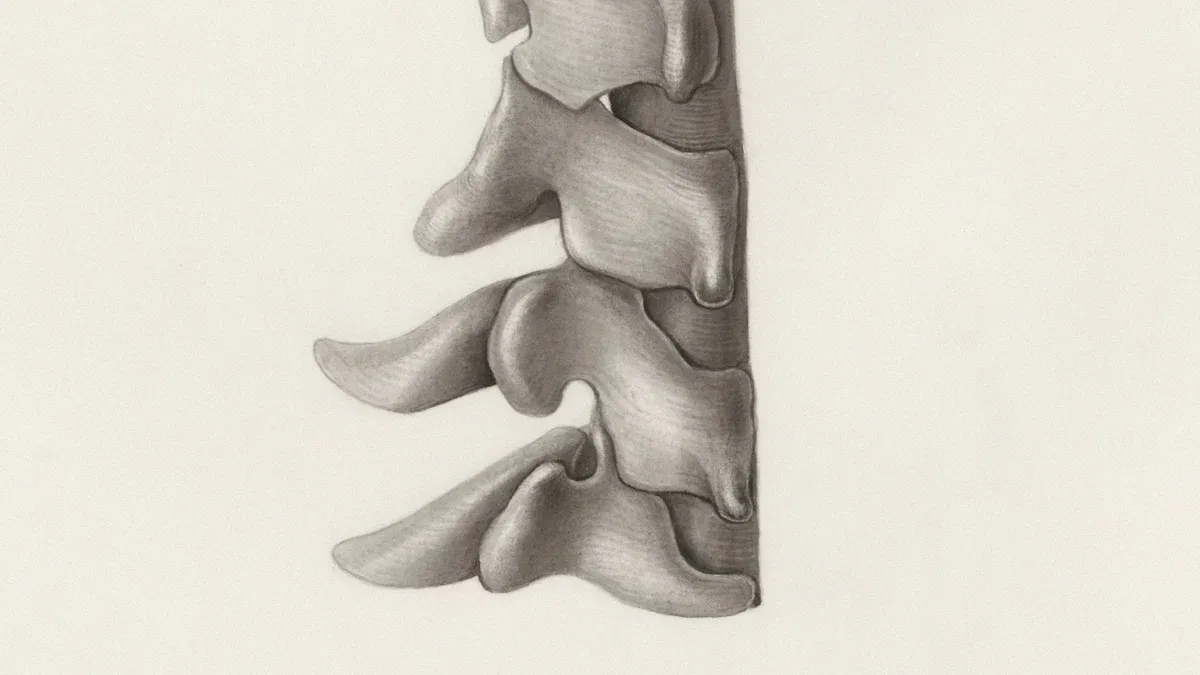
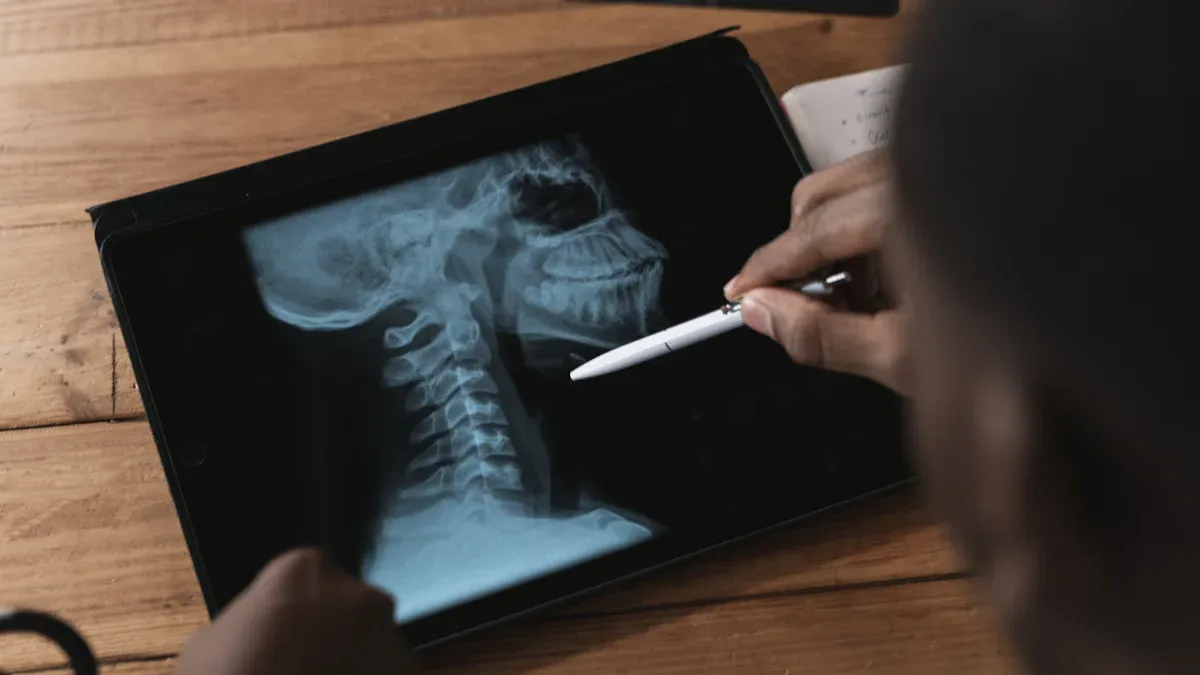
Cervical fusion is needed when you have big problems. These include bad neck instability, nerve pressure that will not stop, or pain that does not get better with other care. Doctors might also suggest this surgery for things like spinal fractures, deformities, or if other surgeries did not work. The table below lists some main reasons for needing cervical fusion:
Medical Indication | Criteria |
Degenerative cervical kyphosis | Myelopathy, very bad neck pain, or problems with looking, swallowing, or breathing |
Pseudoarthrosis | Nonunion seen on scans, symptoms last six months after old surgery |
Implant/Instrumentation failure | Scans show movement or failure of old implants |
Failed cervical disc arthroplasty | Symptoms do not go away or implant fails |
Progressive neck pain or deformity | Problems keep going after old cervical surgery |
Multilevel spinal stenosis | Myelopathy signs and cord pressure seen on scans |
You can trust XC Medico and the Spine System. They give safe and high-quality solutions. These meet today’s medical standards.
Key Takeaways
Cervical fusion is needed for bad neck instability, ongoing pain, or nerve pressure that does not get better with other treatments.
Some common reasons for cervical fusion are degenerative disc disease, herniated discs, spinal fractures, and tumors.
Symptoms like ongoing neck pain, nerve compression signs, and trouble moving your neck may mean you need cervical fusion.
Doctors usually try non-surgical treatments first before they suggest cervical fusion, to make sure all choices are tried.
Cervical fusion can help with pain, give better stability, and help you move better, which can make your life much better.
When Is Cervical Fusion Needed
Cervical fusion is needed when your neck needs more support. Doctors suggest this surgery for serious problems. You might need it if you have bad instability, pain that will not stop, or nerve damage that does not get better with other care. The XC Medico Spine System gives doctors special implants and tools. These help surgeons treat these problems safely.
Here is a table that shows common reasons for cervical fusion and why doctors pick this surgery:
Condition | Main Reason for Fusion | Typical Symptoms |
Severe Instability | Stops more injury | Neck pain, weakness, numbness |
Degenerative Disc Disease | Ends pain and nerve damage | Chronic neck pain, stiffness |
Herniated Discs | Eases nerve pressure | Arm pain, tingling, weakness |
Spinal Fractures | Holds broken bones steady | Sudden pain, loss of movement |
Tumors and Infections | Removes sick tissue, gives support | Pain, fever, nerve problems |
Spine Deformities | Fixes odd curves | Posture changes, nerve problems |
Severe Instability
Severe instability means the bones or ligaments in your neck cannot keep your spine steady. This can happen after a hard hit, a broken bone, or a ligament injury. Instability can hurt your spinal cord and nerves. Doctors often do cervical fusion to keep your nerves safe and stop more harm.
Some causes and signs of severe instability are:
A sudden spinal fracture or bone out of place
Ligament injuries from an accident
Nerve pressure after a fracture
Tumors or cysts that break down bone
Infections like tuberculosis or discitis
Atlantoaxial instability (between the first two neck bones)
Big deformity with nerve problems
If you have instability, you may feel pain, weakness, or numbness. You might see your head tilt or have trouble moving your neck. Cervical fusion can keep these problems from getting worse.
Doctors pick cervical fusion for instability because the neck moves a lot. Too much movement can stop bones from healing. Surgeons use strong implants and bone grafts to help bones grow together. In tough cases, they may use both front and back ways for extra support.
Degenerative Disc Disease
Degenerative disc disease happens when the discs between your neck bones wear out. This is common as people get older. Worn discs can cause pain, stiffness, and nerve problems. If medicine, therapy, or shots do not help, your doctor may suggest cervical fusion.
A chart below shows how often this problem happens:
About 28% of people show disc changes on X-rays.
Around 13% have symptoms.
About 6% need another surgery.
Cervical fusion can help by stopping painful movement and protecting nerves. Most people do well after surgery. Problems are rare, especially with new implants like those in the XC Medico Spine System. Surgeons see good results, especially for single-level fusions.
Herniated Discs
A herniated disc means the soft part of a disc pushes out and presses on a nerve. This can cause sharp pain, tingling, or weakness in your arms. If rest, medicine, or therapy do not help, cervical fusion may be needed.
Doctors use a surgery called anterior cervical discectomy and fusion (ACDF). They take out the bad disc and fuse the bones together. This stops pain and keeps your neck steady.
Here is a table showing when cervical fusion is needed for herniated discs:
Indication | Description |
Nerve compression from herniated disc | Bad pain, numbness, or weakness in arms |
Progressive neurological deficits | Symptoms get worse over time |
Degenerative disc disease | Discs wear out and cause instability |
Spinal stenosis | Narrow spinal canal with nerve pressure |
Pain not helped by other treatments | Pain that does not get better |
Both cervical fusion and disc replacement can help pain and movement. Fusion stops movement at the treated spot, while disc replacement lets you move more. Healing from fusion takes longer, but both surgeries work well.
Spinal Fractures
A spinal fracture means one or more neck bones break. This can happen in car crashes, falls, or sports. Some fractures heal with a brace, but others need surgery. If the bones move too much or press on nerves, cervical fusion is the best fix.
Common fractures that need fusion are:
C1-C2 fractures (the top two neck bones)
C1 fractures with big movement
Upper cervical injuries that do not heal with a brace
Doctors see about a 90% success rate for one or two-level cervical fusion in these cases. Early problems with the implants are rare.
Tumors and Infections
Tumors and infections can make your neck bones weak. This can cause pain, instability, and nerve damage. Cervical fusion helps by taking out the sick tissue and making your spine steady.
Doctors use cervical fusion to:
Treat tumors in bones, soft tissues, or nerves
Fix instability after removing a tumor or infection
Ease nerve pressure from swelling or bone loss
A table below shows how cervical fusion helps in these cases:
Problem Type | Role of Cervical Fusion |
Tumors | Makes spine steady after tumor removal |
Infections | Restores stability after cleaning out infection |
Nerve compression | Eases pressure on nerves or spinal cord |
You may need this surgery if you have pain, fever, or new nerve problems that do not get better with medicine.
Spine Deformities
Spine deformities mean your neck curves in a strange way. This can happen from birth, muscle problems, or other diseases. Common deformities are scoliosis (sideways curve) and kyphosis (forward curve).
Doctors use cervical fusion to:
Fix the curve and help posture
Stop nerve problems from getting worse
Prevent future pain and trouble
Types of deformities treated with cervical fusion:
Idiopathic scoliosis
Congenital scoliosis
Neuromuscular scoliosis
Postural kyphosis
Scheuermann’s kyphosis
Congenital kyphosis
Studies show cervical fusion can help neck shape and nerve function. Surgeons may use special implants and ways for tough curves. The XC Medico Spine System gives many choices for these hard surgeries.
The XC Medico Spine System helps surgeons treat all these problems. It has high-quality implants and tools for simple and hard cases. You can trust each product meets strict safety and quality rules.
Symptoms Leading to Cervical Fusion
When you think about cervical fusion, you should look for certain symptoms that do not go away with regular care. These symptoms often show that your neck needs more support or that nerves face pressure.
Persistent Neck Pain
You may feel neck pain that does not get better with rest, medicine, or therapy. Doctors call this persistent neck pain. About 27% of people who need cervical fusion have this kind of pain. This pain can make daily tasks hard. You might notice the pain stays for weeks or months, even after trying different treatments.
If your neck pain keeps coming back or gets worse, you should talk to your doctor.
Nerve Compression Signs
Nerve compression happens when something presses on your spinal nerves. You may notice:
Pain that travels down your arm
Numbness or tingling in your hands or fingers
Muscle weakness in your arms
These signs mean your nerves do not work right. You might feel a "pins and needles" feeling. Weakness or slow reflexes can also show up.
Loss of Mobility or Function
You may find it hard to move your neck. Turning your head or looking up and down can become painful. Some people lose strength in their arms or hands. You might drop things or have trouble lifting objects. Limited movement can make driving or reading hard.
Neurological Deficits
Doctors look for neurological deficits when they decide on surgery. These include:
Imaging Characteristic | Indication for Surgery |
Increased signal intensity (ISI) on T2WI | Poor neurological recovery |
High degree of cranial adjacent disc degeneration | Higher risk for surgery |
If you notice any of these symptoms, you should see a spine specialist. Early care can help prevent more problems.
How Doctors Decide on Cervical Fusion
When you see your doctor for neck pain, they follow steps to help decide if cervical fusion is needed. Doctors use tests, look at your past treatments, and check how bad your problem is.
Diagnostic Tests
Doctors start by asking about your symptoms. They want to know if you have neck pain or weakness. They also ask if you feel nerve pain in your arm. Next, they do a physical exam. They check how you move your neck. They test your muscle strength and reflexes.
Here is a table that shows common tests and what each test does:
Diagnostic Test | Purpose |
Medical History | Checking for neck pain, weakness, or nerve pain. |
Physical Examination | Looking at movement, strength, and nerve signs. |
X-rays | Finding bone problems or alignment issues. |
MRI or CT Scans | Seeing nerve pressure or disc problems. |
Electrodiagnostic Tests | Sometimes used to check nerve function. |
Tip: MRI and CT scans help doctors see your spine clearly. These tests show if nerves are pressed or discs are hurt.
Failed Conservative Care
Doctors do not choose surgery right away. They first try medicine, therapy, or rest. If these do not work, you may need cervical fusion. Doctors look for signs that your pain or weakness does not get better after these treatments.
Here is a table that shows when conservative care has failed:
Criteria for Failed Conservative Management |
Patient finished all regular treatments for this problem. |
No change or worse signs after another check-up. |
Doctor thinks about stronger treatments. |
If you still have pain or weakness after trying everything, your doctor may talk about surgery.
Condition Severity
Doctors use scores to see how much your neck pain affects your life. The Neck Disability Index (NDI) is one score. It shows how much neck pain stops you from doing things. Other scores are the Visual Analogue Scale (VAS) for pain and Japanese Orthopaedic Association scores (JOA).
Here is a table that explains NDI levels:
Preoperative NDI Level | Description |
None-to-mild disability (< 30) | Little trouble with daily tasks. |
Moderate disability (30-50) | Some trouble with daily tasks. |
Severe disability (50-70) | Big trouble with daily tasks. |
Complete disability (≥ 70) | Cannot do daily tasks at all. |
Research shows people with high NDI scores may take longer to heal after surgery. Doctors use these scores to help decide if cervical fusion is a good choice.
Note: If neck pain keeps you from doing normal things, talk to your doctor about what you can do.
Alternatives to Cervical Fusion
If you have neck pain or nerve problems, you might want other choices besides cervical fusion. Many people feel better with treatments that do not need surgery or with smaller surgeries. These options can help you avoid fusion or wait longer before needing it. They also help you keep moving your neck.
Non-Surgical Options
Doctors usually try non-surgical treatments first. These can help with pain and make it easier to move. They also help you get back to your normal life. Here are some common non-surgical choices:
Treatment Option | Description |
Cervical Disc Replacement | Replaces a damaged disc with an artificial one. This keeps your neck moving and lowers stress on nearby areas. |
Discseel® Procedure | Uses a special sealant that is injected into damaged discs. This helps the disc heal and closes small tears. |
Targeted Spinal Injections | Puts medicine right where you need it. This can quickly lower pain and swelling. |
Comprehensive Physical Therapy | Helps you move better and feel less pain. It lets you get back to your normal activities faster. |
Tip: Physical therapy and spinal injections help many people. You may not need surgery if these treatments work for you.
Other Surgical Procedures
If non-surgical care does not help, you still have other surgeries to try. These surgeries fix the problem and help your neck stay flexible.
Cervical Disc Replacement (CDR): Keeps your neck moving and takes pressure off nerves.
Endoscopic Lumbar Discectomy: Uses a small camera and tools to remove disc material and ease pain.
Coflex Lumbar Interlaminar Device: Gives your spine support and lets you keep moving.
Endoscopic Rhizotomy: Treats long-lasting pain with a tiny camera and tools. It causes less harm to tissues.
Intracept Procedure: Targets pain nerves inside the bone without making big cuts.
You should talk to your doctor about these choices. The best option depends on your symptoms, age, and health. Many people feel better without needing cervical fusion.
Cervical Fusion Risks and Benefits
Benefits for Patients
You might ask how cervical fusion helps. Many people feel much better after this surgery. Here are some main benefits:
Pain relief: You will likely have less neck pain. The surgery stops painful movement and eases nerve pressure.
Improved stability: Your neck will feel more steady. This lowers your chance of getting hurt again.
Enhanced mobility: Many people can move their neck better. Daily tasks get easier.
Prevention of further degeneration: The surgery can keep your problem from getting worse.
Increased quality of life: With less pain and better movement, you can do more things you enjoy.
Most patients say their pain and movement get better after surgery. One study found 71% had less pain. About 88% said their health got better.
Outcome | 20-Year Follow-Up Results |
Pain Improvement | 71% reported a meaningful improvement |
Disability Improvement | 41% saw better daily function |
Global Outcome Ratings | 88% felt their health improved |
Tip: If you have surgery sooner, you may heal better.
Possible Risks
All surgeries have risks. You should know what to look for after cervical fusion. Some common risks are:
The chance of problems after anterior cervical fusion is between 13.2% and 19.3%. For posterior fusion, it is about 15% to 25%.
"More people can get segmental motor paralysis after posterior fusion. This can happen if the spine is moved during surgery. It may squeeze the nerve root and cause paralysis. People with breathing problems, like asthma, have a higher risk of infection after surgery than those without asthma."
You should talk to your doctor about your health before surgery. This can help lower your risk and give you better results.
You might need cervical fusion if you have strong pain or your neck is not stable. Sometimes, nerve problems do not get better with other treatments. This surgery can help you in many ways:
It lowers pain and keeps your neck steady.
It takes pressure off your spinal cord and nerves.
It helps you move better and enjoy life more.
New tools like navigation and robotics help doctors do surgery more safely. They also make the surgery more exact. You should always ask a spine specialist for advice. XC Medico’s Spine System gives you safe care and expert help you can trust.
FAQ
What is cervical spine fusion?
Cervical spine fusion is a surgery that joins two or more bones in your neck. This helps stop painful movement and protects your spinal cord. Doctors use special implants, like those from XC Medico, to keep your neck stable.
How long does it take to recover from cervical fusion?
Most people return to normal activities in 6 to 12 weeks. Your doctor may suggest physical therapy. Healing time depends on your health and the type of surgery.
Will I lose neck movement after cervical fusion?
You may lose some movement where the bones are fused. Most people still move their necks well. XC Medico’s Spine System helps keep your neck stable while allowing safe movement.
Is cervical fusion safe?
Cervical fusion is a common and safe surgery. Doctors use high-quality implants, such as those from XC Medico, to lower risks. Most patients feel better after surgery.
When should I talk to a doctor about cervical fusion?
You should talk to a doctor if you have neck pain, weakness, or numbness that does not get better. Early care can help you avoid more problems.