Pedicle screws are essential devices used to maintain spinal stability during fusion surgeries, including both cervical fusion and fusion of lumbar procedures. These screws play a crucial role in keeping the spine secure, which is vital for achieving successful surgical outcomes. Modern pedicle screws are highly effective and widely trusted by surgeons for use in both the neck and lower back.
Choosing a reputable company like XC Medico ensures you have access to a wide range of safe and reliable pedicle screws. Their products are made from strong materials and feature precise designs, which help minimize complications and enhance patient safety during cervical fusion and fusion of lumbar surgeries.
Outcome | Navigated Technique | Conventional Technique |
Screw Accuracy | Higher | Lower |
Postoperative Revisions | Lower | Higher |
Blood Loss | Lower | Higher |
Hospital Days | Fewer | More |
Systemic Complications | Lower | Higher |
With XC Medico’s expertise, you can achieve cost savings and excellent results in spinal fusion surgeries, whether performing cervical fusion or fusion of lumbar procedures.
Key Takeaways
Pedicle screws give important support during spinal fusion surgery. They help keep the spine steady and help it heal.
Picking good pedicle screws from trusted companies like XC Medico can lower problems and make patients safer.
Putting pedicle screws in the right spot is very important for good results. Using tools like 3D templates can help doctors be more exact.
Patients may heal faster and feel less pain with pedicle screws than with older surgery methods.
Talk to your doctor about your spine problem. This helps you find out if spinal fusion with pedicle screws is best for you.
What Are Pedicle Screws?
Design and Function
Pedicle screws are special implants that help keep your spine steady during fusion surgery. They are made from strong metals like titanium or stainless steel. These metals do not harm your body. Each screw has threads that hold onto the bone tightly. Surgeons put pedicle screws through the pedicles, which are small bone bridges at the back of each vertebra. After the screws are in place, they work as anchor points for rods or plates.
Some design features help make the spine stable:
Design Feature | How It Helps Stability |
Screw Thread Design | Deep threads help the screw stay in the bone. |
Outer Diameter | Bigger screws grip the bone better. |
Insertion Depth | Putting in most of the screw gives strong support. |
Screw Trajectory | A straight or angled path can make the screw stronger. |
Pilot Hole Preparation | The right size hole helps the screw fit and hold well. |
Surgeons can pick different screw sizes and shapes for each patient. This helps them get the best results for everyone.
Role in Spinal Fusion
Pedicle screws are important in spinal fusion because they stop the vertebrae from moving. During spinal fusion surgery, screws and rods make a stiff frame that holds the bones together. This lets new bone grow between the vertebrae, which is the main goal.
Studies show pedicle screws limit movement and lower stress on spinal disks. It is very important to put the screws in the right place. If screws are not placed well, recovery can take longer and fusion may not work as well. Surgeons work hard to put each screw in the best spot for good results.
The strength of pedicle screws depends on how strong the bone is. If a patient has weak bones, surgeons may use longer screws or put them in thicker bone for better support. Careful planning helps make spinal fusion work and helps you heal faster.
Pedicle Screws in Cervical and Lumbar Fusion
Pedicle screws are very important for both cervical fusion and fusion of lumbar surgeries. These devices help keep your spine strong and steady. You might need them if you have surgery on your neck or lower back. Surgeons use pedicle screws because they make the spine stable. This helps your bones heal together. XC Medico makes pedicle screws that work in many parts of the spine. This gives you and your doctor more choices for treatment.
Cervical Fusion Applications
Cervical fusion uses pedicle screws to keep the neck steady. You may need this surgery if you break a bone, have a tumor, or have disc problems in your neck. Putting pedicle screws in the neck takes careful planning. Surgeons use special tools and pictures to place the screws in the right spot.
Tip: Patient guides and 3D templates help doctors put pedicle screws in the neck more accurately.
Here are some good things about using pedicle screws in cervical fusion:
Doctors can place screws very accurately with patient guides.
Pedicle screws hold better and keep the neck more stable than other screws.
The chance of serious problems from wrong screw placement is low, between 0 and 6%.
Needing another surgery is not common, only about 1.0-2.4%.
3D templates help doctors be more accurate and lower problems.
Pedicle screws give the neck strong support, so they are a top choice for neck problems.
The table below shows some important numbers for cervical fusion with pedicle screws:
Metric | Rate |
Fusion Rate | High |
Screw Exposure Rate | 9.2% |
Pedicle Perforation Rate | 3.9% |
XC Medico makes pedicle screws in many sizes and shapes. This helps doctors pick the best one for your neck. The strong materials and careful design help keep your spine safe while you heal.
Fusion of Lumbar Spine
Fusion of lumbar surgeries use pedicle screws to support your lower back. You might need this surgery if you have a slipped disc, weak spine, or a broken bone. During lumbar fusion, the doctor puts pedicle screws above and below the area that needs to heal. A rod connects the screws and keeps the bones still. This lets the bone graft heal and join the bones together.
Pedicle screws have made spinal fusion surgery better for many people. You can expect these screws to give strong support and help your spine heal straight. Doctors use pictures to check where the screws are and avoid problems. The Funnel Technique helps doctors put screws in safely and easily.
You might wonder what happens after your spine heals. If the screws or rods bother you, your doctor can take them out after the bones are joined. XC Medico has many types of pedicle screws for lumbar fusion, even for small surgeries. These products help doctors pick the right screw for you.
Pedicle screws for spine fusion give you a better chance for a strong, steady spine after surgery. Careful screw placement and new fusion methods help lower the risk of problems. With XC Medico’s focus on quality, you can trust that the screws in your surgery are safe and work well.
Benefits and Risks of Pedicle Screws
Clinical Advantages
Pedicle screws help your spine stay strong during fusion surgery. These screws and rods give good support to your bones. This support helps your bones heal together. It also keeps your spine steady. Doctors like pedicle screws because they work better than older ways. The table below shows the main benefits:
Advantage | Description |
Superior Stability | Pedicle screws keep the spine steadier than older methods. |
Pain Alleviation | Pedicle screws can help lessen pain by holding the spine still. |
Quicker Recovery | Pedicle screws help you heal faster after surgery. |
You may get better sooner because these screws let you move earlier. Many people feel less pain and go back to normal life quickly. Studies show pedicle screws help bones join well. Fusion rates are over 90% with these screws. Older ways do not work as well. Less invasive surgeries also help you heal faster and spend less time in the hospital.
XC Medico has many types of hardware for spine fusion. You can pick from different sizes and shapes. This helps doctors choose the best screw for you. Strong materials and smart designs make these products safe. They work well for many kinds of spinal fusion.
Potential Risks and Management
Pedicle screws can have some risks, like other medical devices. The most common problems are infection, loose screws, and needing more surgery. Sometimes, cement used with screws can leak and cause trouble. Deep infections are rare but may need another surgery. Loose screws happen more if bones are weak.
Doctors can lower these risks with good planning and careful surgery. They use special tools and pictures to guide screw placement. Navigation systems help put screws in the right spot. Treating weak bones before surgery helps too. Doctors may use braces or medicine to help you heal. If a problem happens, doctors can fix it with more surgery or other treatments.
Note: Picking high-quality products like those from XC Medico can help lower risks. Good hardware and careful screw placement help you heal better and have fewer problems.
Surgical Process and Recovery
Procedure Overview
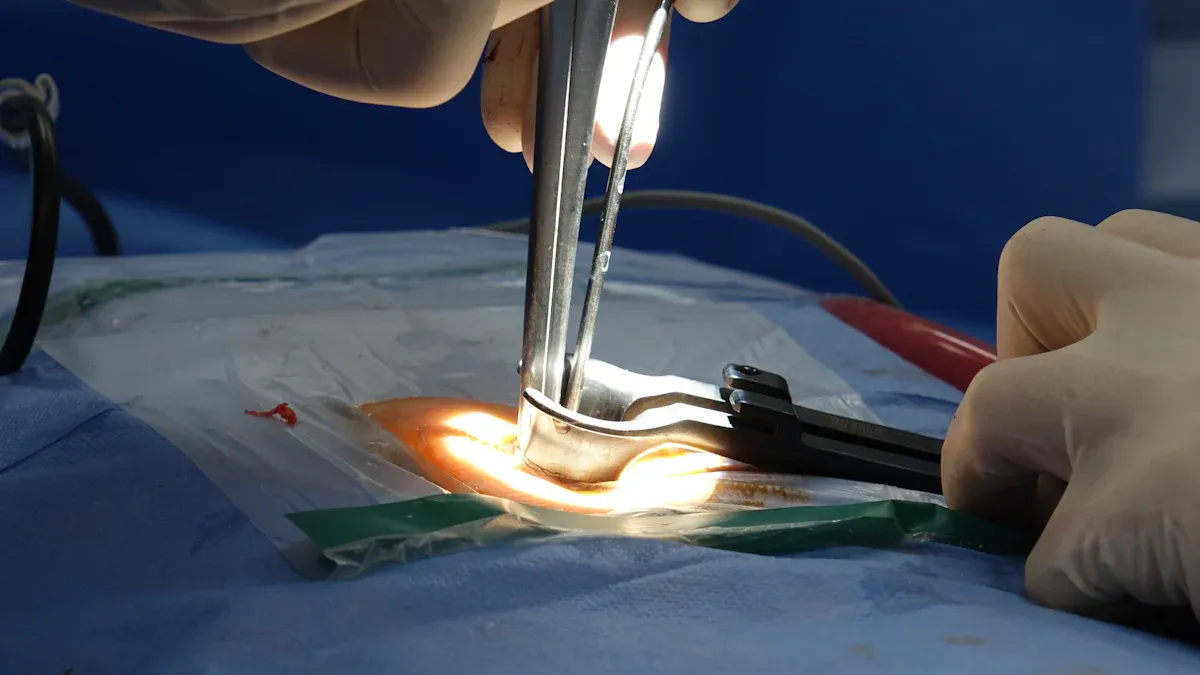
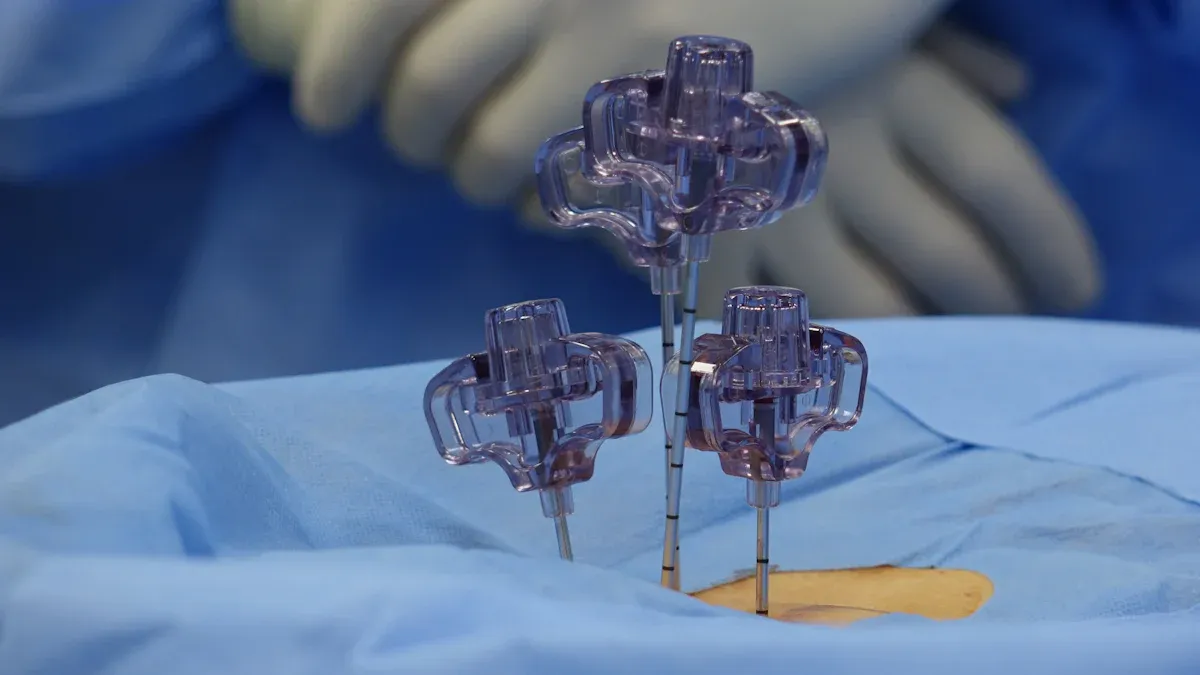
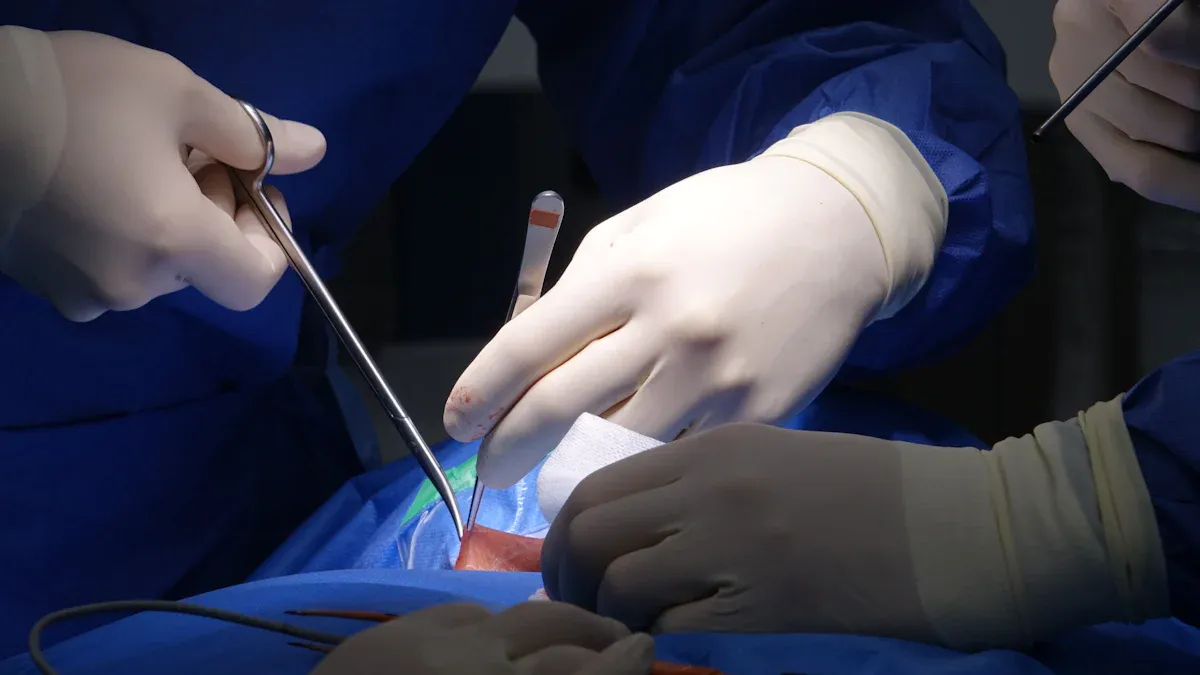
You might wonder what happens during spinal fusion with pedicle screws. Surgeons follow steps to keep you safe and help your spine heal. First, doctors use images to plan where to cut. They make small cuts to start the surgery. A Jamshidi needle helps find the right spot for the screw. The needle goes into the bone at the right angle. Then, a thin wire called a K-wire guides the screw. Surgeons put the screws over the wire into the bone. Rods connect the screws to make a strong brace inside your body.
Many doctors use minimally invasive techniques now. These methods use smaller cuts and special tools. You lose less blood and heal faster. XC Medico has many screws and rods for these new methods. The table below shows some techniques and their benefits:
Technique | Benefits |
Image-Guided Neuronavigation | Helps doctors be more accurate and safe, especially in the neck. |
Minimally Invasive Surgery | Less blood loss, shorter surgery, and faster healing. |
Percutaneous Pedicle Screw Fixation | Less harm to soft tissue, works for many fusion types. |
Image-Guided Navigation | Fewer repeat surgeries and better screw placement. |
Tip: Ask your doctor if you can have minimally invasive decompression surgery. These methods may help you get back to normal life sooner.
Recovery and Aftercare
After spinal fusion, recovery happens in steps. Most people start light activity in 4 to 6 weeks. Full recovery can take 3 to 6 months. For the first six weeks, rest and do not lift heavy things. Physical therapy helps you move and get stronger. By three months, you may feel less pain and move better. Bone fusion keeps going for up to a year.
Here are some tips to help you heal:
Do not lift heavy things.
Avoid sports like basketball.
Do not twist or bend your back.
Stay away from smoking and too much alcohol.
Eating healthy foods helps you heal. Eat foods with calcium and vitamin D. Ask your doctor about supplements if you need them. Physical therapy, when your doctor says it is okay, helps your muscles get stronger and keeps your spine flexible.
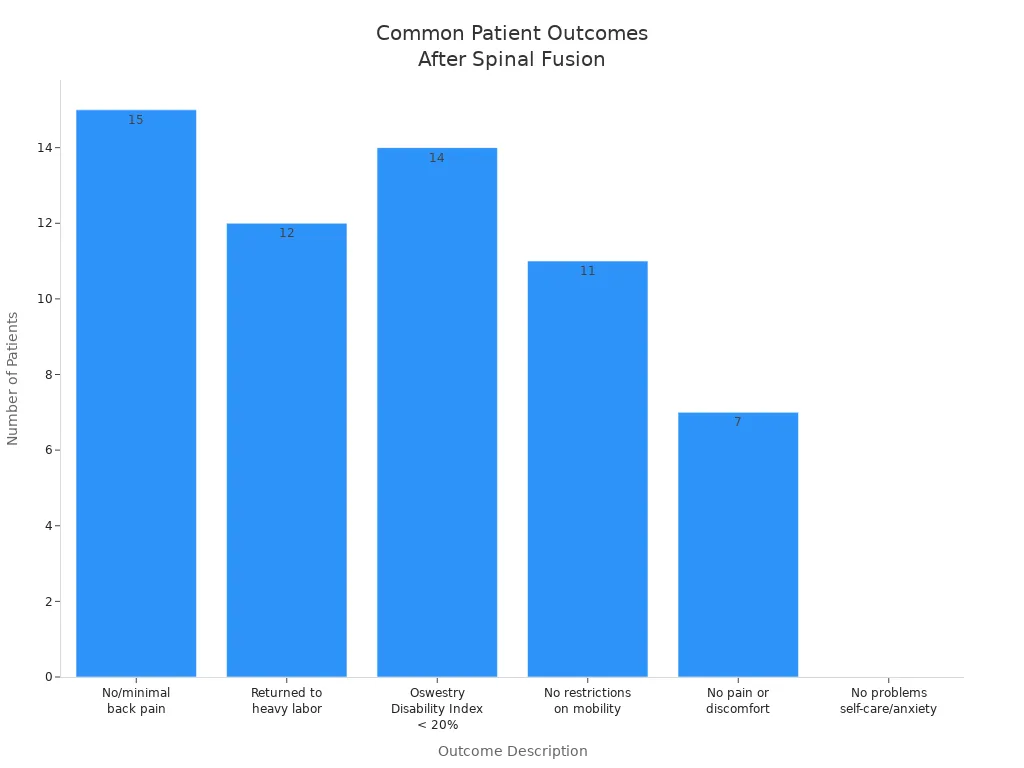
Many patients feel good after decompression surgery with pedicle screws. Most have little or no pain and go back to normal life. The chart below shows how patients feel after surgery:
Picking high-quality spinal instrumentation from a trusted company like XC Medico can help you recover better and feel comfortable for a long time.
Patient Selection
Indications and Conditions
You might wonder when doctors use pedicle screws for spinal fusion. Surgeons use this treatment for many spine problems. If you have one of these, you may need spinal fusion with pedicle screws:
Degenerative disc disease can make your back hurt and feel weak.
Spinal stenosis makes the spaces in your spine smaller and squeezes nerves.
Spondylolisthesis means one vertebra slides over another.
Spondylosis causes your spine to wear out over time.
Spinal fractures break the bones in your back.
Scoliosis makes your spine curve to the side.
Kyphosis bends your spine forward.
Doctors check your symptoms, X-rays, and MRI scans. They decide if pedicle screws can help you move better and feel less pain. If you have trouble walking, numbness, or pain that will not stop, this surgery may help you.
Tip: If your spine problem makes daily life hard, ask your doctor about spinal fusion with pedicle screws. This surgery can help you stand, walk, and do things you enjoy again.
Decision-Making Factors
Doctors think about many things before using pedicle screws in surgery. Your health, bone strength, and age are important. Every person is different, so your doctor checks your medical history and test results. Here are some things doctors look at:
Factor | Description |
Obesity | Extra weight makes surgery harder. Doctors need to see your bones clearly to place screws safely. |
Estimated Blood Loss (EBL) | Losing a lot of blood during surgery can make it hard to put screws in the right spot. |
Pedicle Convergent Angle | The angle of your spine affects how well screws fit. Higher angles can make placement tricky. |
Multifidus Muscle Quality | Strong back muscles help keep screws in place. Weak muscles may increase the risk of misplacement. |
Your age and bone quality matter a lot. If you are over 65, your bones may be weaker. Osteoporosis makes it harder for screws to stay in place. Doctors check your bone mineral density (BMD) before surgery. If your BMD is low, you may need special screws or extra support.
Other health problems are important too. High blood pressure, diabetes, and smoking can slow bone healing. If you take steroids, your bones may be softer. Doctors use scores and scans to check your bone strength and plan your surgery.
Older people may need longer or thicker screws for better support.
If your bones are weak, your doctor may use special ways to keep screws steady.
Your doctor will check your spine shape, muscle strength, and health before surgery.
Note: Picking the right pedicle screw system helps doctors meet your needs. XC Medico has many choices for different patients and surgeries. This helps you get the best care for your age and health.
If you want the best results, talk to your doctor about your health and habits. Good planning and quality products make spinal fusion safer and work better for you.
Pedicle screws help your spine heal well. They give you a better chance to recover strong. You can get good results with both unilateral and bilateral fixation. The table below shows that both types work about the same for mid-term and long-term outcomes:
Fixation Type | Mid-term Outcomes | Long-term Outcomes |
Unilateral | Comparable | Comparable |
Bilateral | Comparable | Comparable |
If you pick XC Medico, you get high-quality products. You also get fast delivery and new technology like the 5.5 MIS coaxial and polyaxial screws. These features help make surgeries safer and better. If you need spinal fusion, talk to your doctor. If you buy in bulk, XC Medico is a good choice. They work hard to help you succeed.
FAQ
What materials do XC Medico pedicle screws use?
You get pedicle screws made from strong metals like titanium or stainless steel. These materials help your body heal and keep your spine safe during recovery.
How do I choose the right pedicle screw for my needs?
You should look at your spine problem, bone strength, and surgery type. XC Medico offers many sizes and designs. Your doctor can help you pick the best screw for your situation.
Can pedicle screws be used for both cervical and lumbar fusion?
Yes, you can use pedicle screws for surgeries in your neck and lower back. XC Medico designs screws for different parts of the spine, so you have options for many conditions.
What benefits do XC Medico pedicle screws offer bulk buyers?
You get a wide product range, fast delivery, and reliable quality. Bulk buyers can choose from many screw types and sizes. This helps you meet different surgical needs and save costs.
How long does recovery take after spinal fusion with pedicle screws?
Most people start light activity in 4 to 6 weeks. Full recovery may take 3 to 6 months. Your doctor will guide you through each step to help you heal well.