You use fracture implants to hold broken bones in place. These orthopaedic implants help bones heal after a break. The main types are small fragment implants, locking plates, cannulated cancellous screws, hip prosthesis, large fragment implants, and intramedullary nails. New designs, like those in XC Medico’s Trauma System, give safe and good results. Modern implants use strong materials and careful design to fit bones well and help you get better faster.
Key Takeaways
Fracture implants keep broken bones in the right place. They help bones heal the right way and faster. There are different implants like plates, screws, rods, and external fixators. The doctor picks the implant based on where and how the bone broke. New implants help bones heal and can check how healing is going. Moving soon after surgery can help you get better faster. This lets you go back to normal life sooner. It is very important to talk to your doctor about which implant is best. This helps you heal well.
Types of Fracture Implants
When a bone breaks, doctors use different fracture implants to help it heal. Each implant type works best for certain breaks. Experts sort these implants into groups. You can see the groups in the table below.
Classification Type |
Description |
Percentage |
PS1 |
Proximal/distal to the implant |
26.0% |
PS2 |
Bone between the most proximal/distal screw and the same end of the plate |
57.5% |
PS3 |
Bone between the most proximal and distal screws |
16.4% |
IM1 |
Distal to the device |
43.3% |
IM2 |
Bone between the most proximal/distal locking bolt and the same end of the device |
46.7% |
IM3 |
Bone between locking bolts |
10.0% |
Plates and Screws
Plates and screws are often used to fix broken bones. Plates are thin metal strips. Doctors attach them to your bone with screws. These implants hold the bone together so it heals straight. Locking plates give extra support for hard breaks or weak bones. Patella Claw and special plates for the ankle and heel help with tough injuries.
Locking plates help bones heal better and give strong support. They stop the bone from moving and help you heal faster.
Rods and Nails
Doctors use rods and nails inside the bone for some breaks. These metal rods go in the middle of long bones like your thigh or shin. They keep the bone steady while it heals. Intramedullary nails are best for unstable or hard-to-fix breaks.
Rods and nails help after fixing bone shape or when the bone is hard to line up.
Some rods can give medicine to bones with infection.
Doctors may take out a rod if there is infection or the bone is healed.
Wires and Pins
Wires and pins are thin metal pieces that hold small bone parts together. Doctors use them for simple breaks or tiny bone pieces. These implants are common in kids or where plates and screws are too big.
Wires and pins are good for holding bones still, but they can move or loosen.
About 16% of people may have problems like loose pins or infection. Most problems are easy to fix, but some need more care.
External Fixators
External fixators are frames outside your body that hold bones in place. Doctors use them for open breaks, wounds, or hurt skin. These implants keep the bone steady without putting anything inside.
Clinical Scenario |
Description |
Soft Tissue Management |
Good for trauma with skin injuries or open wounds. |
Osteomyelitis |
Helps treat bone infections by keeping implants outside the body. |
Pediatric Fractures |
Useful when children’s bones are still growing. |
Limb Lengthening/Deformity Correction |
Allows doctors to adjust bone position over time. |
Doctors use external fixators for hard breaks or when the bone needs extra care while healing.
Tip: Doctors pick the best implant for your injury, bone, and healing needs. XC Medico’s Trauma System has many choices to help you heal.
How Orthopaedic Implants Work
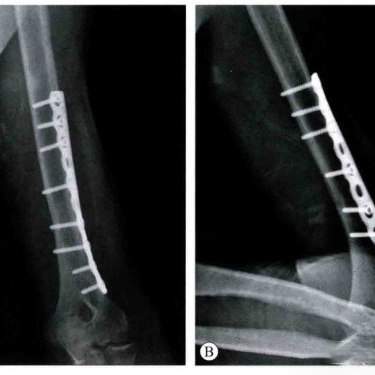
Stabilizing Fractures
When you break a bone, your doctor uses orthopaedic implants to keep the pieces in the right place. These devices act like strong supports, holding the bone steady during healing. Surgeons study the way your bone moves and the forces around the fracture. They use this knowledge to choose the best way to fix your injury.
Surgeons look at the type and location of your fracture.
They decide how much movement your bone needs to heal.
They use special tools and software to plan the best support.
Biomechanical stability is very important. If your bone moves too much, it will not heal well. If it is too stiff, healing can also slow down. Modern fracture implants, like those in the XC Medico Trauma System, use smart designs to balance strength and flexibility.
Note: The right amount of stability helps your bone heal faster and lowers the risk of problems after surgery.
Promoting Bone Healing
Orthopaedic implants do more than just hold bones together. They help your body repair itself. The surface of each implant is made to work well with your bone. Some implants have special coatings or shapes that help bone cells grow and attach. Doctors sometimes use growth factors on the implant to speed up healing. New materials, like certain polymers, can even dissolve after your bone heals.
Implants with good biocompatibility help prevent loosening.
Some surfaces attract bone cells and help them grow.
Growth factors like BMP-2 and VEGF can boost healing.
When to Use Each Implant Type
Your doctor chooses the right implant based on your age, the type of bone fracture, and where the break is. The shape and size of the implant must fit your bone. Some fractures need plates and screws, while others need rods or pins. The goal is always to match the implant to your needs and the demands of your surgery.
Doctors look at your age and bone health.
They check the size and shape of your bone.
They pick the implant that gives the best support for your fracture.
Materials like titanium are popular because they are strong, light, and safe for your body. Titanium resists rust and works well inside you for a long time. Careful engineering makes sure each implant fits perfectly and supports your bone during and after surgery.
Open Reduction and Internal Fixation
Surgical Process
If your fracture cannot heal with a cast, you may need open reduction and internal fixation. In this surgery, your doctor uses special tools to fix your bone. The main steps are:
You will lie on the operating table and get anesthesia.
The surgeon cuts the skin over your broken bone.
Muscles are moved aside to reach the bone.
The doctor lines up the bone pieces.
Titanium rods, plates, or screws hold the bone together.
The surgeon closes the cut with stitches.
A cast or splint keeps your bone steady.
This surgery helps your bone heal in the right place. Doctors use it for breaks that are hard to fix or not stable.
About 75% of people with this surgery for a broken femur have few or no long-term problems.
Recovery and Aftercare
After surgery, you start to heal. Your doctor will tell you how to care for your bone. Moving early can help you get better faster. If you start moving two weeks after surgery, you may go back to work in about 34 days. If you wait four weeks, it may take up to 79 days. Moving early also helps your wrist bend and straighten better.
You might need physical therapy to get stronger and move better. Listen to your doctor to avoid problems and help your bone heal.
Recovery Step |
What You Do |
Rest |
Keep your bone steady |
Early Movement |
Start gentle exercises |
Physical Therapy |
Work with a therapist |
Follow-up Visits |
See your doctor for check-ups |
Common Patient Concerns
You may worry about how this surgery will affect you. Some people worry about not moving well, not being happy, or having trouble walking. Some fear bleeding or that the implant might break. Others worry about bad materials or the implant not being put in right. Your doctor uses good devices and careful steps to lower these risks.
Tip: Talk to your doctor about your fracture and treatment. This helps you know what to expect from surgery and healing.
Benefits and Risks of Implants
Advantages of Fracture Implants
Fracture implants give you strong support when you break a bone. These devices hold your bone in the right place, which helps you heal faster. You can move sooner and return to your daily life more quickly. When you use orthopaedic implants, you often feel less pain because your bone stays steady. Doctors can also use smart implants to track how your bone heals. This helps them make better choices for your care.
Here is a table that compares fracture implants with non-surgical care:
Benefit |
Fracture Implants |
Non-Surgical Care |
Support for bone |
Strong |
Moderate |
Recovery time |
Shorter |
Longer |
Pain control |
Better |
Varies |
Monitoring healing |
Smart sensors possible |
Less precise |
You may also heal faster with certain implants. For example, some external fixators use gentle movement to help your bone grow. This can cut healing time by 20% or more. When your bone heals well, you feel less pain and can use your arm or leg sooner.
Possible Complications
Most people do well with fracture implants, but some problems can happen. You might feel pain if your bone does not heal right or if the implant moves. Sometimes, you can get an infection or swelling near the implant. Other risks include:
Blood effusion
Dislocation
Venous problems
New bone fracture
Nerve problems
Wear or late infection
Doctors watch for these issues and help you manage pain. Infection rates can be higher in some open bone fractures, so your doctor checks your wound often. If you have diabetes or smoke, your risk for problems can go up. You should always tell your doctor if you feel pain, numbness, or swelling.
Implant Removal and Longevity
Most fracture implants stay in your body for a long time. Sometimes, you may need to remove an implant if you feel pain, stiffness, or if the implant sticks out. Pain is the main reason people ask for removal. Cold weather can also make pain worse for some people. Here are common reasons for removal:
Many people keep their implants without problems. If you need removal, your doctor will explain the process. Most people heal well after removal and feel less pain. Good care and regular check-ups help your bone stay healthy for years.
You need fracture implants to help your bones heal well. New implants, like those from XC Medico’s Trauma System, work well and have few problems. Doctors use these devices because they are safe and work with your body. The smart design helps bones heal better.
Evidence Type |
Findings |
Complications |
Systematic Review |
Good overall outcomes |
Few complications |
You should always ask your doctor for help with your fracture. For good implants and care, pick XC Medico. They are a trusted partner for your healing.
FAQ
What materials do doctors use for fracture implants?
You often see titanium or stainless steel in fracture implants. These materials are strong and safe for your body. Titanium resists rust and works well inside you for many years.
How long do fracture implants stay in your body?
Most implants stay in your body for life. Your doctor may remove them if you feel pain or discomfort. You heal well after removal in most cases.
Can you move your bone after getting an implant?
You usually start gentle movement soon after surgery. Early movement helps you heal faster and keeps your muscles strong. Your doctor will guide you on safe exercises.
Are fracture implants safe for children?
Doctors use special implants for children. These implants fit growing bones and help kids heal safely. Your doctor picks the best type for your child’s needs.
What makes XC Medico’s Trauma System different?
XC Medico’s Trauma System offers many implant choices. You get products designed for strong support and fast healing. Doctors trust these implants for quality and safety.
 Русский
 English
 简体中文
简体中文 繁體中文
繁體中文 العربية
 Français
 Español
 Português
 Deutsch
 italiano
 日本語
日本語 한국어
한국어 Nederlands
 Tiếng Việt
 ไทย
ไทย Polski
 Türkçe
 አማርኛ
አማርኛ ພາສາລາວ
 ភាសាខ្មែរ
 Bahasa Melayu
 ဗမာစာ
ဗမာစာ தமிழ்
தமிழ் Filipino
 Bahasa Indonesia
 magyar
 Română
 Čeština
 Монгол
 қазақ
қазақ Српски
 हिन्दी
 فارسی
فارسی Kiswahili
 Slovenčina
 Slovenščina
 Norsk
Norsk Svenska
 українська
 Ελληνικά
 Suomi
Suomi Հայերեն
 עברית
עברית Latine
 Dansk
Dansk اردو
اردو Shqip
Shqip বাংলা
বাংলা Hrvatski
 Afrikaans
 Gaeilge
 Eesti keel
 Māori
Māori සිංහල
සිංහල नेपाली
 Oʻzbekcha
 latviešu
 অসমীয়া
 Aymara
 Azərbaycan dili
 Bamanankan
 Euskara
 Беларуская мова
 भोजपुरी
 Bosanski
 Български
 Català
 Cebuano
 Corsu
Corsu ދިވެހި
 डोग्रिड ने दी
 Esperanto
 Eʋegbe
 Frysk
Frysk Galego
 ქართული
 guarani
 ગુજરાતી
 Kreyòl ayisyen
 Hausa
Hausa ʻŌlelo Hawaiʻi
 Hmoob
Hmoob íslenska
 Igbo
Igbo Ilocano
 Basa Jawa
 ಕನ್ನಡ
ಕನ್ನಡ Kinyarwanda
 गोंगेन हें नांव
 Krio we dɛn kɔl Krio
 Kurdî
Kurdî Kurdî
Kurdî Кыргызча
 Lingala
 Lietuvių
 Oluganda
 Lëtzebuergesch
 Македонски
 मैथिली
 Malagasy
 മലയാളം
 Malti
Malti मराठी
मराठी ꯃꯦꯇꯥꯏ (ꯃꯅꯤꯄꯨꯔꯤ) ꯴.
 Mizo tawng
 Chichewa
 ଓଡ଼ିଆ
ଓଡ଼ିଆ Afaan Oromoo
 پښتو
پښتو ਪੰਜਾਬੀ
 Runasimi
 Gagana Samoa
 संस्कृत
 Gaelo Albannach
 Sepeti
 Sesotho
 chiShona
 سنڌي
سنڌي Soomaali
 Basa Sunda
 Wikang Tagalog
 Тоҷикӣ
 Татарча
 తెలుగు
 ትግንያውያን
 Xitsonga
 Türkmençe
 संस्कृत
 ئۇيغۇرچە
 Cymraeg
 isiXhosa
 ייִדיש
 Yorùbá
 isiZulu


