![Why Knotless Suture Anchors Could Be Your Best Surgical Choice]()
You see more surgeons picking knotless suture anchors for soft tissue repair today. This change happens because these anchors make surgery safer and quicker. They also help patients heal better.
The global market for knotless suture anchor systems reached USD 663.4 million in 2024. Now, they hold a 56.2% market share.
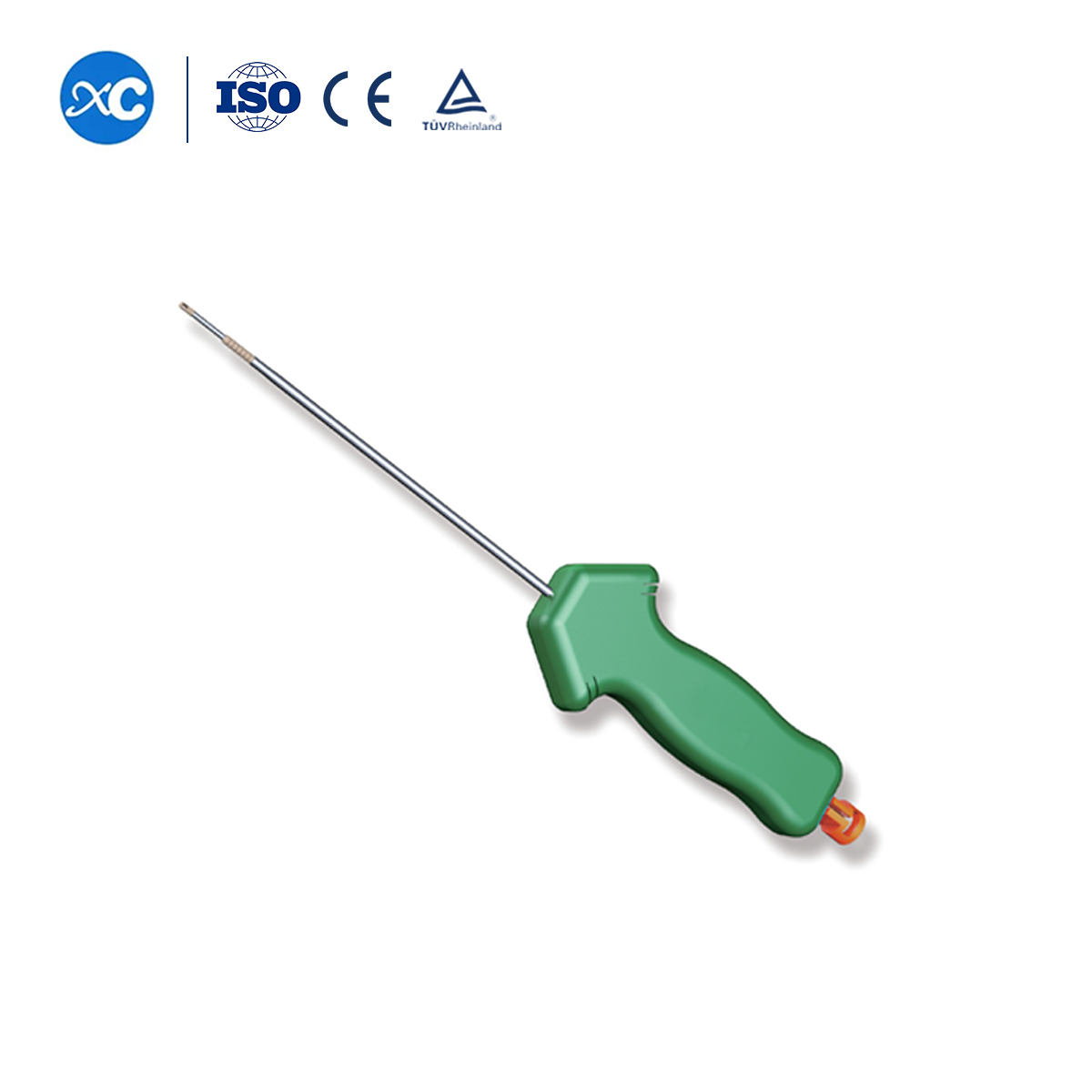
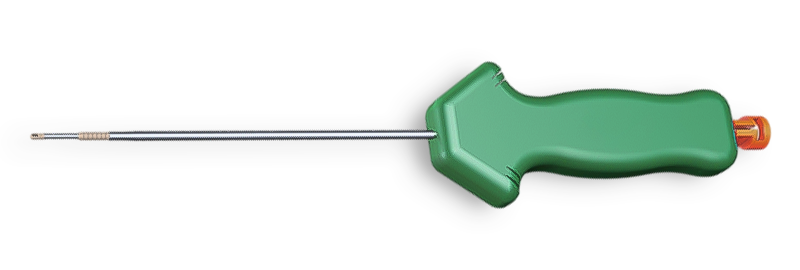
Advances like XC medico’s PEEK Knot-Free Anchors use strong, safe PEEK and a self-locking system to hold tissue without knots.
Outcome Measure | Knotless Anchors | Traditional Anchors |
Return to Play | 93.5% | 90.2% |
Revision Surgery Rate | 9% | 17% |
You might wonder why knotless options often work best for soft tissue fixation. The answer is their speed, safety, and how they help patients get better results.
Key Takeaways
Knotless suture anchors make surgery easier because you do not need to tie knots. This makes the surgery faster and lowers the chance of problems. These anchors hold things in place very well. Patients heal better and need fewer repeat surgeries. There are also fewer times when things move out of place compared to regular anchors. Using knotless suture anchors can make surgery take less time. This helps doctors and patients. It means less time with anesthesia and a lower chance of infection. Knotless anchors work well for many types of orthopedic surgeries. They are good for fixing the shoulder, knee, and other joints. Picking knotless suture anchors helps patients get better faster. They also have less pain after surgery.
What Are Knotless Suture Anchors
Definition and Function
Knotless suture anchors are special tools in orthopedic surgery. They use knotless technology to attach soft tissue to bone. You do not need to tie knots with these anchors. This makes surgery easier and helps you get a strong hold. Most knotless suture anchors have a self-locking part. This part keeps the suture tight. You put the anchor into the bone. The suture pulls tight and holds the tissue in place.
Knotless suture anchors help keep more bone safe and lower joint damage. Their soft body and small size let you use them in tiny bone tunnels. This means you remove less bone and lower the risk to the joint.
Here are their main features:
Characteristic/Advantage | Description |
Composition | Made with ultra-high-molecular-weight polyethylene (UHMWPE) sutures. |
Fixation Mechanism | Uses a sleeve or tape that tightens against the bone. |
Bone Preservation | Fits in small tunnels (1–3 mm) to save bone. |
Joint Damage Minimization | Soft body lowers joint damage even if the anchor fails. |
Knotless suture anchors skip knot-tying steps. This saves time and lowers the chance of suture problems. You get a strong hold with fewer steps.
Role in Orthopedic Procedures
You use knotless suture anchors in many orthopedic surgeries. They work well for soft tissue repairs in the shoulder, elbow, knee, foot, ankle, hand, and wrist. Their screw-in shape lets you put them in fast and use the same steps each time. You can trust knotless anchors for rotator cuff repairs, labral repairs, and ligament fixes.
Knotless suture anchors give strong support for healing. You can change the tension for each patient. This helps you make the repair fit better. The low-profile shape causes less tissue damage and helps people heal faster. Knotless anchors also use biocomposite materials. This helps avoid problems from metal in the body.
Knotless suture anchors help you work faster and make repairs strong. You can count on them for many soft tissue repairs.
Knotless suture anchors make your work easier and help your patients get better results.
Advantages of Knotless Suture Anchors
![Advantages of Knotless Suture Anchors]()
Simplified Technique
It is important for surgery to be easy and repeatable. Knotless suture anchors help make this possible. You do not need to tie knots during surgery. This makes the steps easier and helps you avoid mistakes. Many surgeons say knotless anchors cut down on the number of steps. You can focus on putting the anchor in and holding the tissue.
Four studies show knotless anchors save time in surgery compared to knotted anchors. This means the method is easier and faster for you.
You do not have to worry about knots coming loose or big knots causing pain.
Knotless suture anchors help you get the same results each time. You can use the same method for many surgeries. This helps you feel more sure and skilled.
Reduced Surgical Time
Shorter surgeries are better for patients. Knotless suture anchors help you finish faster. You skip tying knots, which saves time in the operating room. This helps both you and your patients.
XC medico’s PEEK Knot-Free Anchors have a self-locking part that makes things go quicker. You put in the anchor, pull the suture tight, and lock it. This simple step gives better results and makes work smoother.
Lower Complication Risk
You want to keep your patients safe from problems. Knotless suture anchors help lower these risks. Regular knots can cause pain, tissue damage, or slip out of place. Knotless designs take away these problems.
Some studies say barbed sutures can cause more problems, but other tests show no big difference between knotless and regular anchors.
You do not have big knots rubbing on tissue or bone.
Knotless suture anchors give a clean repair spot. You see fewer problems with sutures and better healing. This means you can trust your repairs.
Strong Fixation
You need repairs to stay strong after surgery. Knotless suture anchors give good strength. XC medico’s PEEK Knot-Free Anchors use special threads and flexible material. These help the anchor hold tissue tight to bone.
You can trust knotless suture anchors to keep repairs steady while healing. This strength helps your patients get better results.
Better Patient Outcomes
You want your patients to heal well. Knotless suture anchors help you reach this goal. PEEK material lets you see clear pictures after surgery. You can check healing and see if the anchor is stable.
PEEK in knotless suture anchors means you cannot see the implant on X-rays. It also does not block CT or MRI scans. You get a clear look at bone and tissue healing. This helps you make good choices for care.
Study | Redislocation Rate | Reoperation Rate |
Knotless PEEK and double-loaded biodegradable anchors | 7% | 1 case |
Knot-tying vs Knotless | 9.5% vs 10.6% | 1 case each |
Knotless All-Suture, Soft Anchor Bankart Repair | 12.9% (4 cases) | 6.45% (2 cases) |
You can see knotless suture anchors work well. The rates of redislocation and reoperation are low. You can trust these anchors for good patient results and long-term success.
Tip: If you pick knotless suture anchors like XC medico’s PEEK Knot-Free Anchors, you choose speed, safety, and strong results for your patients.
Knotless vs. Traditional Anchors
Practical Differences
When you look at knotless suture anchors and traditional anchors, you see some big differences. Knotless anchors help you finish surgery faster. You do not have to tie knots, so you save time. You also do not need as many tools. This lets you focus on putting the anchor in the right spot and holding the tissue.
Here is a table that shows the main differences:
Feature | Knotless Sutures | Traditional Sutures |
Surgical Efficiency | Reduces operating room time by eliminating knots. | Requires time to tie knots, increasing surgery time. |
Workflow | Streamlined with fewer tools and steps. | More complex with additional steps for knot tying. |
Tissue Trauma | Less irritation due to absence of bulky knots. | Knots can cause irritation and friction. |
Infection Risk | Lower risk due to smooth design. | Knots can harbor bacteria, increasing infection risk. |
Scarring | Results in finer, less noticeable scars. | Knots can lead to more noticeable scarring. |
Wound Security | Even tension across the wound for consistent healing. | Relies on a single knot for strength, which can fail. |
You can see that knotless anchors make surgery easier and safer. Your work goes smoother, and your patients get better results.
Benefits of Knotless Design
Knotless suture anchors have many good points over traditional ones. You do not have to deal with knot stacks, which can make surgery harder. You can also tighten the anchor again if you need to, so the tissue stays in place as it heals.
Knotless anchors help you skip knot stacks, making surgery simpler.
You can tighten the anchor again, so you have more control and better healing.
Patients also do well with knotless anchors. The return to play rate is 93.5% for knotless anchors. For traditional anchors, it is 90.2%. The revision surgery rate is 9% for knotless anchors. For traditional anchors, it is 17%. These numbers show that knotless anchors help patients heal faster and need fewer repeat surgeries.
Tip: If you pick knotless suture anchors, your work gets easier and your patients heal better. You also lower the chance of problems and make your repairs stronger.
Knotless suture anchors are a new way to help with surgery. They give you strong, safe, and steady results you can trust.
When to Choose Knotless Suture Anchors
Ideal Surgical Scenarios
Knotless suture anchors are good when you need a quick and steady way to fix soft tissue. They work well in many arthroscopic surgeries. You can use them for repairs in the shoulder, knee, and other joints. They are very useful in arthroscopic anteroinferior labral repair. This is when you must hold tissue tightly and work fast.
Here is a table that shows when knotless suture anchors are a great choice:
Surgical Scenario | Advantages of Knotless Anchors |
ACL Repair | Simplifies procedure, faster recovery, reliable ligament repair |
PCL Repair | Reduces complexity, enhances operational convenience |
Joint Orthopedic Surgeries | Ideal for soft tissue repairs, precise implantation, improved outcomes |
Plastic Surgery | Suited for intricate tissue repairs, allows precise adjustments |
Wound Repair During Surgery | Speeds up procedures, reduces postoperative complications |
You can see knotless anchors help in both easy and hard arthroscopic cases. They let you finish repairs faster and with fewer steps. You can count on them for arthroscopic anteroinferior labral repair. They give a strong hold and cause less harm to tissue.
Tip: Pick knotless suture anchors for arthroscopic surgery if you want to save time and help patients heal better.
Patient Selection
Knotless suture anchors are a good choice for patients who need gentle care and strong repairs. They are great for people who want to heal faster and have fewer problems after arthroscopic surgery. Patients with injuries that need arthroscopic repair, like rotator cuff tears or ligament injuries, can benefit from these anchors.
The table below shows which patient characteristics match well with knotless suture anchors:
Patient Characteristic | Benefit of Knotless Anchors |
Reduced Tissue Trauma | Securely reattach tendons with minimal trauma |
Improved Healing Rates | Up to 15% improvement in healing compared to traditional methods |
Lower Complication Rates | Shorter operative times and fewer postoperative complications |
Better Joint Stability | Consistent tensioning process reduces re-dislocation rates by 20% |
Strong Fixation | 10% decrease in graft failure rates in ACL procedures |
Faster Recovery Times | Linked to fewer re-ruptures in Achilles tendon repairs |
Improved Healing Outcomes | Less soft tissue irritation in complex trauma cases |
You can pick knotless suture anchors for patients who want to heal well and have less pain. This choice helps people get better faster and feel less sore after arthroscopic surgery.
Considerations for Surgeons and Distributors
Tips for Use
You can get better surgery results by using knotless suture anchors the right way. Here are some tips from skilled surgeons:
Place your portals with care during arthroscopic surgery. For glenohumeral instability, put the mid-glenoid portal about 1 cm away from the joint line of the humeral head. It should also be 2–3 cm below and 1–2 cm toward the middle from the posterolateral acromial angle. This helps you avoid hurting the labrum and makes anchor placement better.
Use knotless anchors to save time and lower the risk of knot problems. This also helps you avoid issues like knot arthropathy, which can affect how patients do after surgery.
Pick tensionable anchors if you need to change the tightness for better tissue hold. This helps make repairs strong and keeps the joint from becoming unstable after surgery.
Always check where the anchor is and how tight it is before you finish. This step helps you get the best results for your patients after surgery.
Tip: Using knotless suture anchors can make your surgery steps easier and help you treat glenohumeral instability better.
Limitations and Decision Factors
When you pick knotless suture anchors, remember their locking part works on its own, not with bone quality. If a patient has weak bone, like with old rotator cuff tears or in older people, you may need to use a bigger anchor or put it in a spot with stronger bone. These changes help you fix instability and get better results after surgery.
If you are a distributor, you should think about a few things when picking a supplier for knotless suture anchors:
Check the different anchor designs. Having many choices helps you meet many surgery needs, like glenohumeral instability and other joint repairs.
Look at the newest anchor materials and designs. Features like PEEK and radiolucency can help patients heal better and lower problems.
Know that more people want surgeries that are less invasive. The market for knotless anchors is growing because they help people heal faster and hurt less tissue.
Make sure products meet rules. They need FDA approval, CE marking, and must pass tough tests to be safe and work well in surgery.
Quality Assurance Measure | Description |
Certifications | Look for FDA approval, ISO compliance, and CE marking. |
Production Processes | Check how the manufacturer makes the anchors and their quality checks. |
Track Record | See how well the manufacturer has done in the industry. |
Note: Working with a trusted supplier like XC medico helps you get top-quality knotless suture anchors that meet world standards and help patients heal well after surgery.
You have many good reasons to pick knotless suture anchors. They help make surgery go faster and safer. Patients heal better with these anchors. Surgeons like them because they cause less tissue harm. There are also fewer problems after surgery.
Key Advantage | Description |
Simplicity | Easy to use and saves time |
Strength | Holds tissue tight for strong healing |
Biocompatibility | Safe for people and helps smooth recovery |
You can count on XC medico’s PEEK Knot-Free Anchors for great quality. Pick a trusted supplier to get better surgery results and help your patients more.
FAQ
What is the main benefit of using knotless suture anchors in arthroscopy?
Knotless suture anchors make repairs faster and easier. You do not need to tie knots during arthroscopy. This saves time and lowers the chance of suture problems.
Can you use knotless suture anchors in all types of arthroscopy?
Knotless suture anchors work for many arthroscopy procedures. They help with shoulder, knee, and other joint repairs. Always check if the patient’s bone is strong enough for the anchor.
How do knotless suture anchors improve arthroscopic surgery outcomes?
Knotless suture anchors help patients heal better and have fewer problems. They hold tissue tight and lower tissue damage during surgery. This helps people recover faster and feel less pain.
Are knotless suture anchors easy to use for surgeons new to arthroscopy?
Knotless suture anchors are simple for new surgeons to use. The design makes each step clear. You do not need to learn hard knot-tying skills.
Why do doctors and distributors prefer knotless suture anchors for arthroscopy?
Knotless suture anchors give steady results and save time. Distributors like them because more surgeons want easy and safe tools for arthroscopy. These anchors help meet the need for better surgical options.