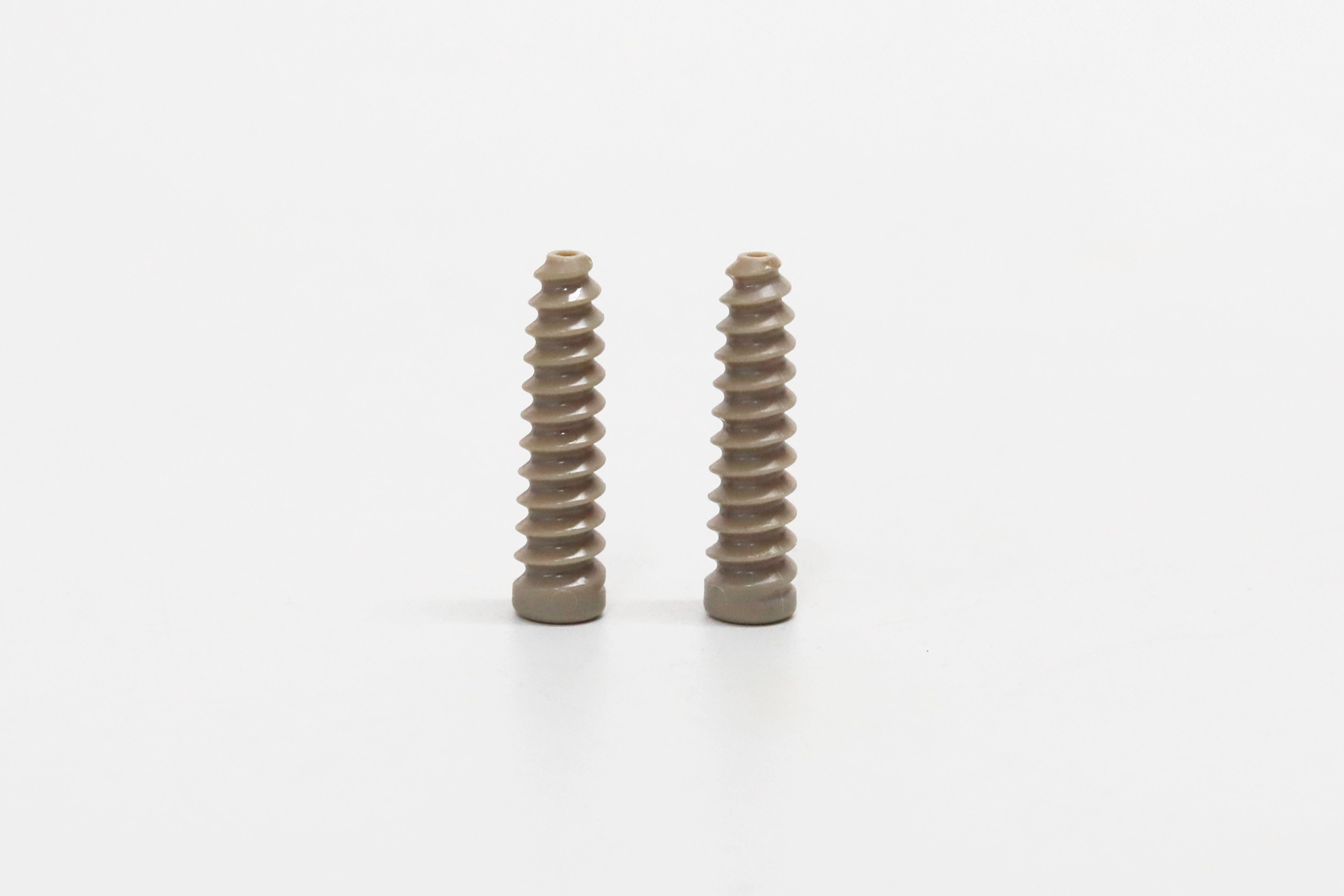
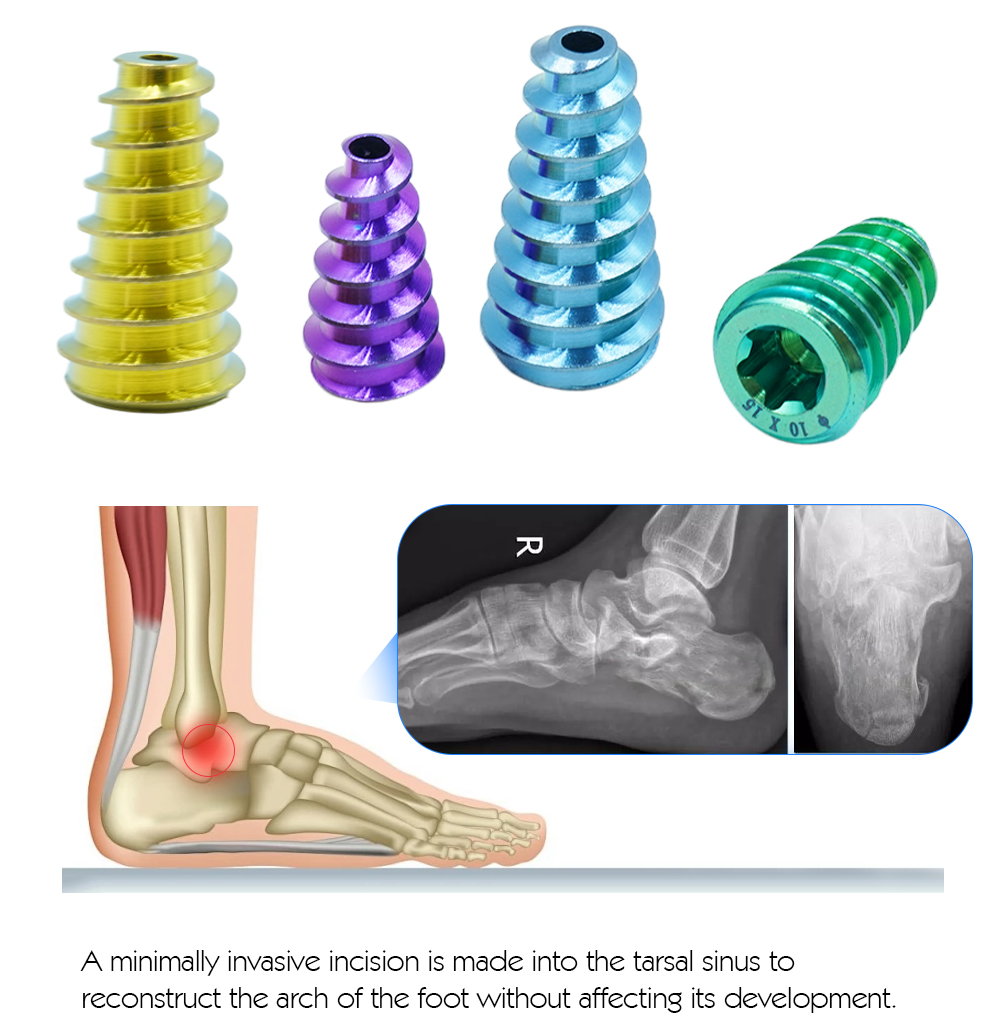
You use interference screws to hold grafts tight in bone tunnels during orthopedic surgery. These screws are important in ligament and soft tissue repair, especially in acl repairs, because they keep things stable. Studies show that both bioabsorbable and titanium interference screws work about the same, so they are both good choices for your work. New systems, like the Ligament Fixation System by XC Medico, bring new ideas to your surgeries and help you get better results for patients.
Key Takeaways
Interference screws help keep grafts steady in bone tunnels during surgery. They are very important for fixing ligaments.
Bioabsorbable screws and titanium screws both work well for ACL surgeries. They help patients heal in similar ways.
Picking the best screw size and material is very important. It helps people heal better and lowers the chance of problems.
New ideas like the Ligament Fixation System by XC Medico make surgeries better. They use stronger materials and smarter designs.
Doctors need to watch patients after surgery. This helps find problems early and makes sure healing goes well.
Interference Screws Overview
What Are Interference Screws
Interference screws help hold grafts tight in bone tunnels during surgery. They are important for fixing ligaments and soft tissues. Doctors often use them in ACL repairs. These screws keep the graft stable by pressing it against the bone. This helps the graft heal and join with the tissue around it.
Doctors say interference screws are a common way to fix ACL injuries. They work for both bone-to-bone and soft tissue-to-bone repairs. The screws hold the graft in place and let doctors control its position and tightness. This control helps patients heal well and recover faster.
Note: Interference screws are trusted and studied for ligament repairs. Many studies show they work well in bone-patellar tendon-bone ACL surgeries.
How Interference Screws Work
First, doctors make a tunnel in the bone where the ligament needs fixing. Next, they put the graft through this tunnel. The screw pushes the graft against the tunnel wall. This keeps the graft from moving.
Here is what happens during surgery:
Doctors drill a tunnel in the bone, usually about 8 mm wide.
They put the graft through the tunnel.
They place the interference screw next to the graft and press it tight.
At least 20 mm of the graft stays inside the tunnel for strength.
Doctors can use absorbable or metal screws, depending on the case.
The main jobs of interference screws are:
Keeping the graft in the right spot and at the right tightness.
Giving strong grip where the screw touches the bone.
Holding the graft tight until the bone heals.
There are new types of interference screws too. Some are made from magnesium that breaks down in the body. Some mix magnesium with other metals for more strength. Others have new thread shapes to hold better. These changes help the screws work better and help bones heal.
Innovation Type | Description |
Biodegradable Magnesium-based Screws | Lower stress on the bone and help bone grow. |
Hybrid Fixators | Mix magnesium with metals for more strength and healing. |
Structural Optimization | Change thread shape to help the screw grip and work better. |
Studies show that tapered screws are stiffer and keep the graft tighter than regular screws. This means patients get better and stronger knees over time.
Doctors count on interference screws to keep grafts safe while healing. The design and materials help doctors get good results when fixing ligaments.
Types and Materials of Interference Screws
Metal and Bioabsorbable Options
There are different kinds of interference screws for fixing ligaments. The most used materials are:
Titanium
Stainless steel
Polymer
Bioactive glass
Metal screws, like titanium, are very strong and last a long time. Titanium does not rust, so it stays good inside the body. Doctors use titanium screws for hard cases because they are much stronger than bioabsorbable screws. Titanium screws can have a yield strength of about 1130 MPa. This is about ten times more than some bioabsorbable screws, like PLA. So, titanium screws give strong support when you need it most.
Bioabsorbable screws are made from things like PLA or magnesium. These screws slowly break down in the body. Magnesium is a light metal that is strong and can be absorbed by the body. These screws can hold things in place for many surgeries. New bioabsorbable screws are almost as stiff as titanium screws, up to 90%. But, they are still not as strong as metal screws. Still, studies show both types work well for knee stability after ACL surgery. There are not more problems with one type than the other.
Design Features and Innovations
Interference screws keep getting better with new designs. Screws now have different shapes, threads, and materials to help them grip and heal better. For example, a conical or tapered core shape makes the screw hold tighter. This helps the screw keep the graft in place. The table below shows how screw shape changes pull-out strength:
Screw Type | Pull-Out Strength | Correlation with FOA | Correlation with Contact Area |
Tapered Core | Strong | Yes | Yes |
All Types | Weak | No | No |
New thread shapes and better screw tips make it easier to put in the screw. They also make it take less force. Hybrid screws use parts from different materials to be strong and safe for the body. Titanium and PEEK are good choices because they are safe and help bone grow. These new ideas help doctors keep the graft stable and help patients heal better.
ACL Interference Screws in Surgery
![ACL Interference Screws in Surgery]()
ACL Reconstruction Applications
ACL interference screws hold grafts in place during ACL surgery. These screws press the graft against the bone tunnel. This keeps the graft steady so it can heal well. The graft bonds with the tissue around it. You can pick metal or bioabsorbable screws for ACL surgery. Both types work well and give similar results.
When you pick ACL interference screws, you want the graft to stay still. It should not move while healing. Studies show bioabsorbable screws with hydroxyapatite work very well. They do not cause bad side effects. These screws are a good choice instead of titanium screws. Metal and bioabsorbable screws fail at about the same rate. Patients do just as well with either type.
Sometimes, doctors use adjustable suspensory fixation devices. These devices also give good results and keep the knee stable. The failure rate is low, like with other devices. ACL interference screws give strong bone-to-bone and soft tissue-to-bone fixation. This helps patients heal faster and get back to their activities.
Tip: Make sure the graft is at least 20 mm inside the bone tunnel. This helps the graft stay strong and heal better.
Other Ligament Fixation Uses
Interference screws are not just for ACL surgery. Doctors use them for other ligament repairs, like PCL and MPFL. These screws help fix ligaments and soft tissues in many places. They work for both bone-to-bone and soft tissue-to-bone repairs.
The Ligament Fixation System by XC Medico has new features for these surgeries. It uses PEEK, which is safe for the body and does not cause bad reactions. The screws come in many sizes to fit different needs. PEEK screws let doctors see clear images after surgery. They are easy to put in, which saves time in the operating room. The system is safe for MRI scans, so doctors can check healing without problems.
Here is a table with important features of the Ligament Fixation System by XC Medico:
Feature | Description |
Biocompatibility | Made from PEEK, safe for tissue and does not cause bad reactions. |
Radiolucency | Lets doctors see clear images after surgery. |
Multiple Sizes | Fits many different body types and needs. |
Durability | Strong but light, so it works well. |
Ease of Use | Quick to put in, which makes surgery faster. |
MRI Compatibility | Safe for MRI scans, so doctors can check healing easily. |
Doctors use interference screws in many ACL surgeries. Bioabsorbable screws are the most common for holding the graft in the tibia. Some patients, especially young athletes, may feel pain where the screw is. Cysts can form in up to 5% of cases after ACL surgery with bioabsorbable screws. This happens because the body reacts to the screw, so doctors watch patients closely.
Doctors pick interference screws because they work well for many ligament and soft tissue surgeries. They trust these screws to hold the graft tight and help patients heal well.
Choosing Interference Screws
Material and Size Selection
When picking interference screws, you must think about material and size. The right screw helps patients heal better. Material compatibility is important for the body’s tissues. You want to stop bad reactions from happening. Biocompatible materials, like absorbable polymers or titanium, are often used. These materials help keep the body safe.
You should also look for screws made with precision machining. This means the screw fits well and holds the graft tight. A good fit can make surgery work better.
Screw size is important, too. Bigger screw diameters give more fixation strength. This helps the graft stay in place. The table below shows how screw size changes results:
Finding | Description |
Fixation Strength | Bigger screw diameters give more fixation strength. |
Rehabilitation Impact | Lower fixation strength means rehab may need to go slower. |
Size Dependency | Fixation strength goes up with tendon diameter in this technique. |
Patient and Surgical Considerations
You should always think about each patient when picking screws. Bone quality is very important. If a patient has strong bones, you might use a different screw than for weak bones. Activity level matters, too. Athletes may need stronger screws.
Here is a table to help you know what to check:
Patient-Specific Factor | Description |
Bone Quality | Helps you pick screw diameter and material. |
Activity Level | Helps you choose the right strength and durability. |
Pre-existing Conditions | May change your choice to avoid problems. |
Allergies | Important for picking safe, biocompatible materials. |
Matching the screw to the surgery is very important. Studies show the right screw helps patients heal faster and better. You can help patients by focusing on the details of each case. This careful way helps you give the best care in acl and other ligament surgeries.
Risks and Precautions
Potential Complications
When doctors use interference screws, they must watch for problems. These problems can change how well surgeries like acl reconstruction work. Some common problems are:
About 1 in 10 patients may have symptoms after surgery. Around 5% of patients need another surgery to fix these problems. Most people can play sports again after the screw is taken out. Screws can get loose or break if there is too much movement or stress. This can cause the screw to crack. In some studies, screws moved out of place in up to 16.9% of cases. Screws put in at an angle moved out more than straight screws.
Type of Screw | Risk Ratio (RR) | Complications Included |
Bioabsorbable Screws | 1.70 | Graft rupture, joint effusion, infection |
Metallic Screws | <1.70 | Fewer complications overall |
Note: The chance of problems can change with the screw type and how the surgery is done.
Safety and Best Practices
Doctors can lower risks by following safety rules and good habits. Here are some tips to help get better results with interference screws:
Pick the right screw size and material for each patient.
Put the screw in carefully so the graft does not get hurt.
Make sure the graft is at least 20 mm inside the bone tunnel.
Watch patients for signs that the screw is loose or has moved after surgery.
Best Practice | Benefit |
Use bioabsorbable screws for stable healing | Less early motion of the graft |
Reduce synovial fluid in the bone tunnel | Fewer negative effects from cytokines |
Fixate close to the tunnel entrance | Avoids the bungee effect |
Watch for graft slippage | Prevents clinical failure |
Doctors should also keep track of any bad events and check on patients often. Both bioabsorbable and metal screws work about the same for pain, movement, and how well the joint works. If a screw breaks while putting it in, it does not always cause trouble, but doctors should still check the patient.
Tip: Careful planning and paying attention to details help lower risks and make patient results better when using interference screws.
You use interference screws to keep grafts steady in acl and ligament surgery. Studies show bioabsorbable screws and new systems help patients heal better after acl repairs. The Ligament Fixation System by XC Medico gives strong support, helps healing, and lowers problems. Many doctors see better joint strength and good long-term results with this system.
XC Medico follows high quality rules.
You get fast delivery and help with questions.
The system helps you get great results for your patients.
Pick XC Medico as your trusted company for interference screws and other products.
FAQ
What is the main purpose of an interference screw?
You use an interference screw to hold a graft tightly in a bone tunnel. This keeps the graft stable during healing. The screw helps the new ligament attach to the bone.
How do you choose the right size interference screw?
You match the screw size to the graft and bone tunnel. A larger screw gives more grip. Always check the patient’s bone quality and the type of surgery you plan.
Are bioabsorbable screws safe for all patients?
Bioabsorbable screws are safe for most patients. You should check for allergies or special health conditions. These screws break down in the body over time.
Can you use interference screws for surgeries other than ACL reconstruction?
Yes, you can use interference screws for other ligament repairs, such as PCL or MPFL surgeries. They also help with soft tissue fixation in many orthopedic procedures.