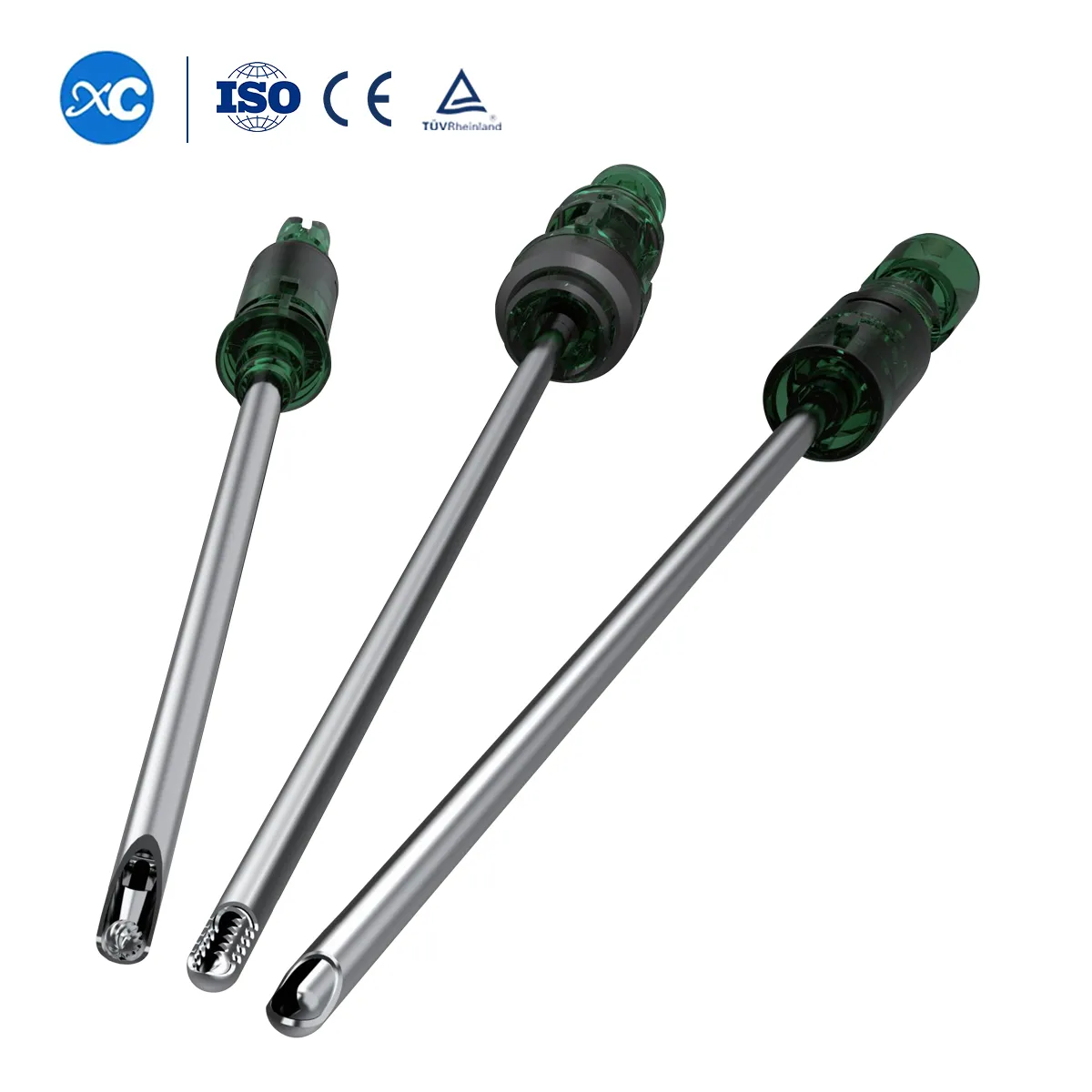
An arthroscopic shaver system is a powered instrument platform used to cut, abrade and remove selected soft tissue or bone under arthroscopic visualization. Its performance depends on more than the console alone: the handpiece, blade or burr, cutting-window geometry, operating mode, suction pathway and interface compatibility all need to work as one system.
For hospitals and distributors, this makes product selection a technical matching process rather than a simple choice of blade shape. This guide explains the system components, common blade and burr types, typical orthopedic applications and the information buyers should verify before ordering.
Key Takeaways
- An arthroscopic shaver commonly combines a powered handpiece with an interchangeable inner blade or burr operating inside an outer sheath.
- Soft-tissue blades and bone burrs are designed for different tasks and should not be treated as interchangeable.
- Connector type, diameter, working length, curvature and intended use should be confirmed against the target handpiece before purchase.
- Blade design and operating parameters can affect cutting behavior, but no single configuration is appropriate for every procedure.
- XC Medico supplies arthroscopic shaver blades and burrs and related sports medicine instruments; compatibility and local regulatory status should be confirmed for each order.
What Is an Arthroscopic Shaver System?
An arthroscopic shaver is used through a small portal while the surgical field is viewed with an arthroscope. A powered handpiece drives the cutting component, while a hollow pathway permits irrigation fluid and resected material to be evacuated from the operative site. The surgeon selects the blade, burr and settings according to the target tissue, access route and procedural plan.
The term arthroscopic planer appears in some catalogs, but arthroscopic shaver is the more widely recognized English term for this device category. A “shaver system” usually refers to the complete powered platform, whereas a “shaver blade” or “burr” is an accessory that must match a compatible handpiece.
How the Shaver Mechanism Works
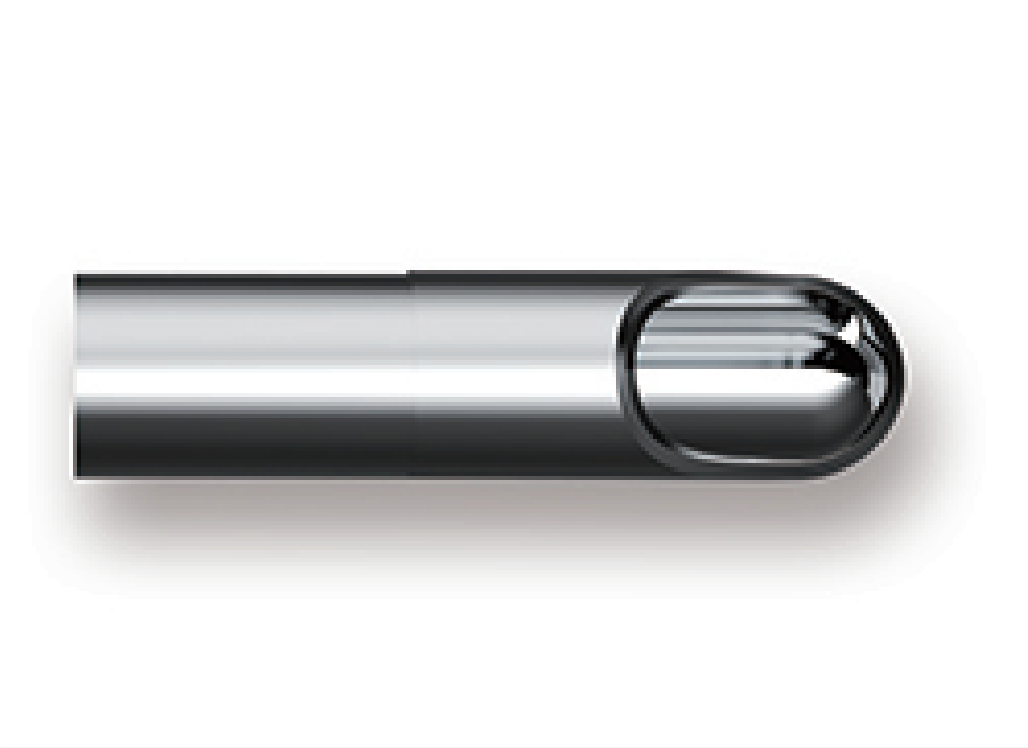
A typical blade has an inner cutting member that rotates or oscillates within a stationary outer sheath. Openings near the distal tip expose selected tissue to the cutting edges. Suction draws fluid and cut material through the hollow instrument. The outer sheath can also help shield adjacent structures on the side without a cutting window.
FDA device descriptions characterize arthroscopic shavers as powered instruments used to cut, abrade, resect or remove selected tissue and bone during orthopedic and arthroscopic procedures. Actual indications, contraindications and compatible accessories remain specific to the legally marketed device and its instructions for use.
Shaver System vs Shaver Blade
| Term | What It Usually Includes | What Buyers Must Confirm |
| Shaver system | Console, power controls, handpiece and associated accessories; fluid-management functions may be separate or integrated. | Electrical standard, operating modes, handpiece model, maintenance requirements and approved accessories. |
| Shaver handpiece | Powered handheld component that drives a compatible blade or burr. | Interface, speed range, control method and cleaning or reprocessing instructions. |
| Shaver blade | Inner cutting member and outer sheath intended mainly for selected soft-tissue or cartilage work. | Connector, diameter, length, window geometry, tooth pattern, sterility and intended use. |
| Arthroscopic burr | Rotating cutting head intended for selected bone removal or contouring. | Head geometry, size, shaft, compatible handpiece and procedure-specific requirements. |
Main Components of an Arthroscopic Shaver System
Console and Controls
The console supplies and regulates power. Depending on the platform, the user may select rotation, oscillation, direction and speed through console controls, a footswitch or controls on the handpiece.
Powered Handpiece
The handpiece transfers motor output to the blade or burr. Its connector determines which accessories can be fitted, so visual similarity alone is not evidence of compatibility.
Blade or Burr
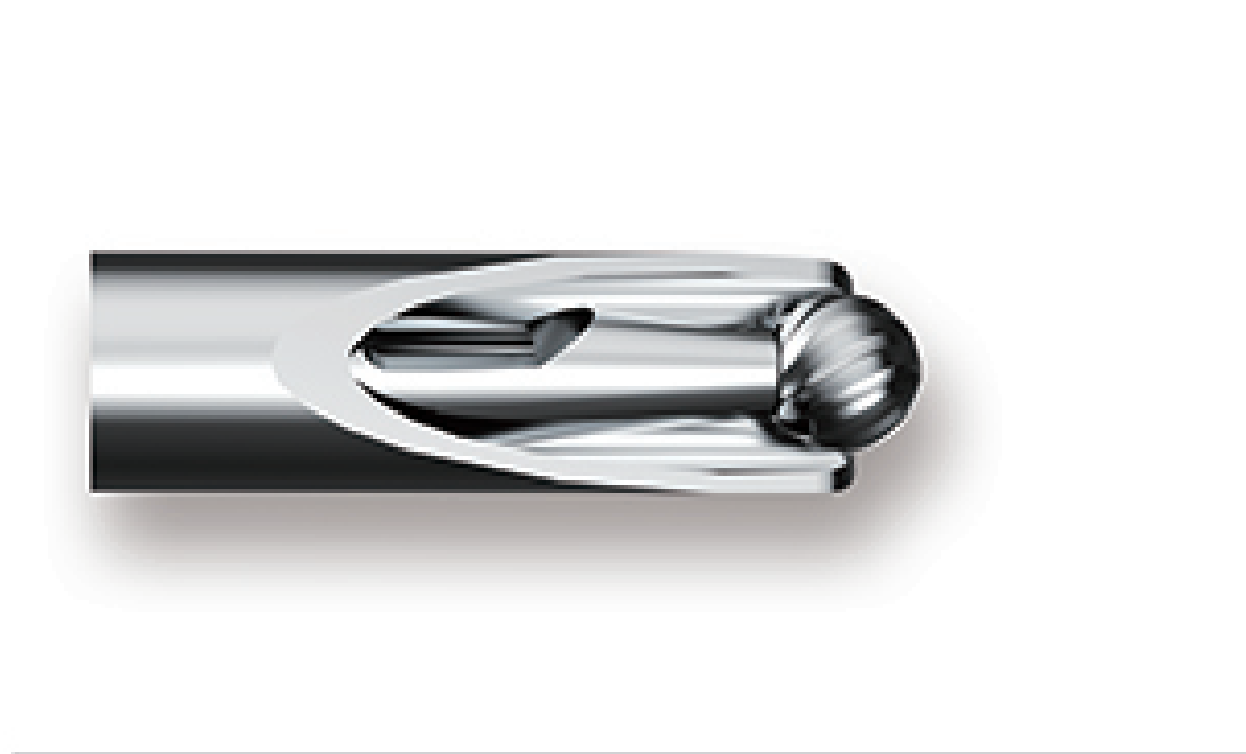
The distal geometry determines how the accessory interacts with tissue. Cutting-window size, tooth design and burr profile should correspond to the intended application.
Suction and Fluid Pathway
The hollow instrument pathway helps remove fluid and debris. Flow can be affected by the blade opening, suction setting, tubing arrangement and accumulation of tissue fragments.
Important distinction: an arthroscopy instrument set containing probes, graspers, passers or cutters is not the same as a powered shaver system. Both may be used in an arthroscopic workflow, but they have different functions and compatibility requirements.
Arthroscopic Shaver Blade and Burr Types
No universal blade is optimal for every procedure. Manufacturers use different names for similar geometries, so buyers should compare drawings, dimensions, intended use and connector details instead of relying on the product name alone.
![double-tooth arthroscopic shaver blade]()
Toothed Shaver Blade
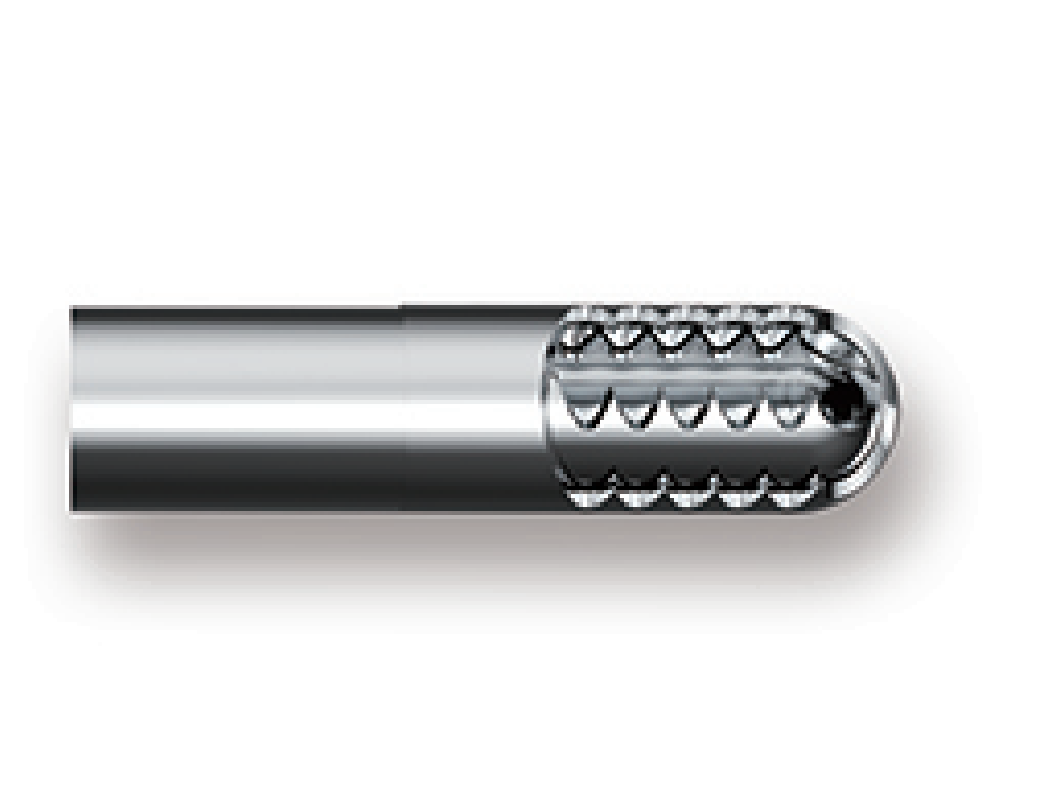
Tooth patterns are used for selected soft-tissue resection requirements. The inner and outer cutting geometry should be reviewed together because tooth placement influences cutting behavior.
![double-cut arthroscopic shaver blade]()
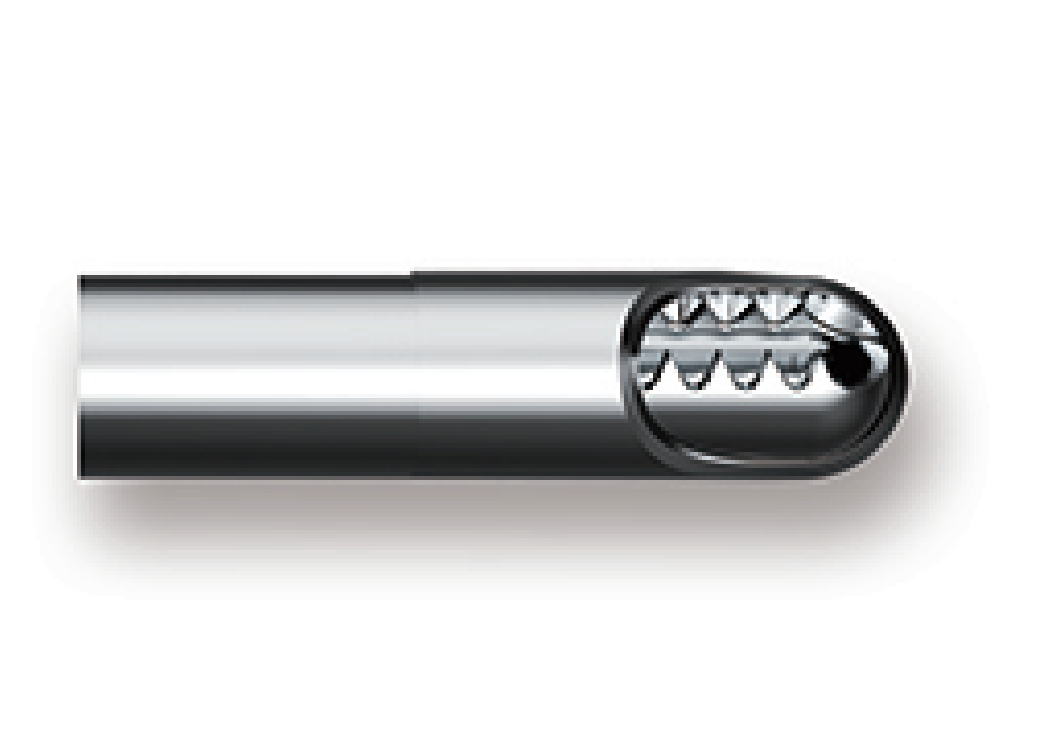
Double-Cut Blade
A double-cut configuration provides multiple cutting edges around the window. The practical result depends on tissue type, system settings and the specific blade design.
![single-tooth soft tissue arthroscopic shaver blade]()
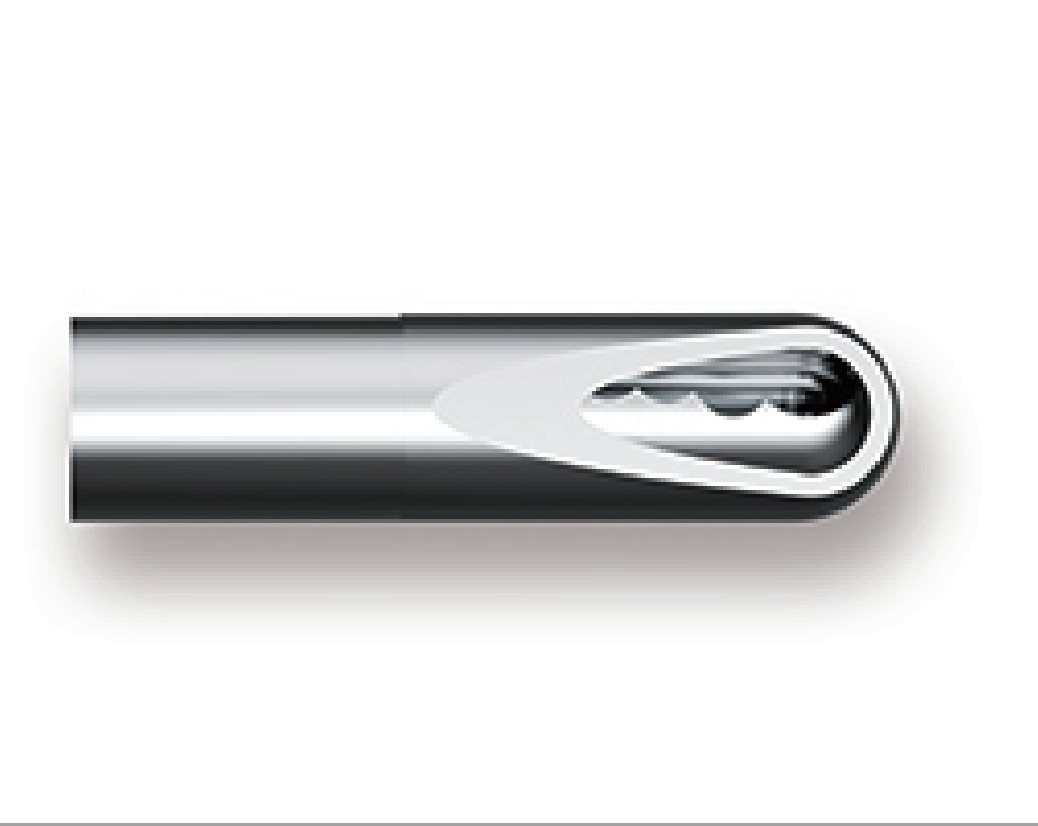
Single-Tooth Blade
This design may be selected for controlled soft-tissue debridement. Buyers should confirm the cutting-window style and intended tissue listed in the product documentation.
![arthroscopic bone-cutting blade for selected bone removal]()
Bone-Cutting Blade
Bone-cutting profiles are intended for selected bone-removal or contouring tasks. They should not be described as routine soft-tissue blades without supporting product documentation.
![spherical arthroscopic bone burr]()
Spherical Bone Burr
Round and other shaped burrs support selected bone contouring. Head diameter, cutting surface and shaft dimensions should match the procedural plan and powered platform.
![arthroscopic shaver blade connector and accessory options]()
Connector and Shaft Options
Different interfaces may be available for different powered handpieces. A physical sample, technical drawing or verified model reference can reduce ordering errors.
Soft-Tissue Blades
Soft-tissue shaver blades may be used for selected debridement, synovial tissue resection, cartilage-edge preparation or removal of damaged tissue under direct visualization. Terms such as smooth, serrated, toothed, aggressive and double-cut describe aspects of cutting geometry, but naming conventions vary between suppliers.
Bone Burrs
Arthroscopic burrs are designed for selected bone abrasion, contouring or removal. Common shapes include round, oval and cylindrical profiles. Because contact with bone can progressively blunt a cutting surface, purchasers should review product-use limits and replacement requirements rather than assuming all accessories can be maintained in the same way.
Straight and Curved Designs
Straight shafts provide a direct working path, while curved or angled designs may assist access in particular joint spaces. Curvature must be assessed together with portal placement, working length, diameter and the relevant instructions for use. Selection remains the responsibility of trained clinical professionals.
Common Arthroscopic Applications
Powered shavers are used across several joints, but the exact accessory and technique vary. The following examples describe general instrument roles, not recommendations for a particular patient or operation.
Knee Arthroscopy
In knee procedures, a compatible shaver may support selected meniscal edge preparation, synovial tissue resection, debridement of damaged tissue or preparation during a surgeon-selected reconstructive workflow. It does not itself perform a meniscus repair. Separate implants and meniscus repair instruments may be required when tissue preservation and fixation are planned.
Shoulder Arthroscopy
Shoulder applications can include selected soft-tissue debridement, subacromial tissue removal and bone preparation. Limited working space makes shaft geometry, blade window orientation and control of suction particularly relevant. Other steps may require anchors, sutures and dedicated shoulder instruments rather than a shaver.
Ankle, Elbow, Wrist and Hip Procedures
Arthroscopic shavers may also be used in selected procedures involving the ankle, elbow, wrist, hip and other joints. Smaller joint spaces may require different shaft diameters, lengths or curves. A product should only be used for an application included in its approved labeling and instructions.
Cutting performance is not determined by speed alone. Laboratory research has examined the combined effects of blade design, rotation speed and contact pressure, showing that different variables can change resection behavior. Such testing is useful for understanding mechanics, but it should not be converted into universal clinical settings.
Blade Geometry and Condition
Window dimensions, inner-blade geometry and tooth arrangement influence how tissue enters and is cut. A damaged, worn or unsuitable blade may behave differently from a new, correctly matched accessory. Inspection and replacement criteria should follow the manufacturer’s instructions.
Rotation, Oscillation and Speed
Some systems support forward rotation, reverse rotation or oscillation. The available modes and speed range depend on the platform. Settings should be selected by trained users according to the accessory labeling, tissue target and clinical judgment.
Suction and Debris Removal
Suction helps draw selected tissue toward the cutting window and evacuate debris, but excessive or poorly controlled flow can affect tissue interaction and visualization. Clogging may also reduce performance. Tubing, blade lumen and suction settings therefore need to be considered as part of the system.
Compatibility
A blade that appears to fit mechanically may still be unsuitable if its connector, locking structure, shaft dimensions or permitted operating range do not match the handpiece. Written compatibility confirmation is preferable to assumptions based on appearance or generic catalog descriptions.
How to Select Compatible Arthroscopic Shaver Blades
Hospitals and distributors should create a specification checklist before requesting a quotation. This reduces avoidable sampling cycles and helps suppliers confirm whether an existing item or custom configuration is appropriate.
| Selection Item | Information to Confirm | Why It Matters |
| Powered platform | Console and handpiece brand, model and interface reference | Determines mechanical and functional compatibility. |
| Accessory type | Soft-tissue blade, cartilage blade, bone-cutting blade or burr | Aligns the product with its documented function. |
| Dimensions | Diameter, working length, total length and head size | Affects portal access and fit with the handpiece. |
| Geometry | Straight or curved shaft, window direction, tooth pattern and burr shape | Influences access and cutting characteristics. |
| Operating details | Permitted mode, speed range and suction connection | Helps ensure the accessory is used within documented parameters. |
| Supply format | Sterile or non-sterile, single-use or reusable, packaging and shelf life | Affects hospital workflow, validation and inventory planning. |
| Regulatory documents | Market-specific registration, certificates, labeling and instructions | Availability and regulatory status vary by jurisdiction. |
Useful information to send with an inquiry: - Target handpiece model and clear connector photographs
- Current blade reference number or a physical sample, where legally and safely permitted
- Required diameter, length, curve and cutting-head type
- Expected order quantity and packaging configuration
- Destination market and required regulatory documents
- Private-label, laser-marking or custom-packaging requirements
What Distributors Should Verify Before Ordering
Product Specification and Interface Verification
Request technical drawings or documented dimensions rather than relying only on catalog photographs. If multiple connector families are offered, the quotation should identify the exact interface. Samples should be evaluated through the buyer’s approved quality and compatibility process before a larger order.
Quality and Regulatory Documentation
Ask which quality-system certificates, product registrations, inspection records, material documents and labeling files apply to the specific product. A company-level certificate does not automatically establish that every item is cleared or registered in every market.
Sterility, Reprocessing and Shelf Life
Confirm whether the product is supplied sterile, whether it is labeled for single use or reuse, and which validated instructions apply. Do not create generic cleaning or steam-sterilization instructions inside a marketing article; reprocessing must follow the legally supplied instructions for the specific device and local facility policy.
OEM and Private-Label Requirements
OEM projects may involve connector matching, dimensions, laser marking, packaging or kit configuration. Buyers should define acceptance criteria, sample approval, change-control responsibilities and documentation requirements before production. XC Medico’s broader orthopedic OEM and ODM services can be reviewed separately from the clinical information in this guide.
XC Medico Arthroscopic Blades and Sports Medicine Instruments
XC Medico offers arthroscopic shaver blades and burrs for selected cutting, debridement and bone-contouring requirements. The available range includes different cutting-window designs, tooth patterns, burr geometries and connector options. Because these accessories are used with compatible powered handpieces, buyers should confirm the target interface and specifications before ordering.
For customers building a wider product portfolio, XC Medico also supplies arthroscopy instrument sets and products within its orthopedic and sports medicine system. Product availability, intended use and regulatory status should be verified for the destination market.
Request Blade Specifications or Compatibility Review
Send the handpiece model, connector photographs, required dimensions and target market. The XC Medico team can help identify available arthroscopic blade, burr and sports medicine instrument options.
Contact XC Medico Frequently Asked Questions
What is an arthroscopic shaver system?
It is a powered surgical instrument platform used under arthroscopic visualization for selected cutting, abrasion, debridement or removal of tissue and bone. A typical setup includes a console, handpiece, compatible blade or burr and a suction pathway.
Is an arthroscopic planer the same as an arthroscopic shaver?
Some catalogs use “planer” for a shaver blade or shaver-type instrument, but “arthroscopic shaver” and “arthroscopic shaver blade” are more widely recognized English terms. Product specifications should be used to resolve any naming ambiguity.
What is the difference between a shaver blade and a burr?
A shaver blade generally uses cutting-window and tooth geometry for selected soft-tissue or cartilage work. A burr has a shaped abrasive or cutting head intended for selected bone removal or contouring. Exact indications depend on the device labeling.
Are arthroscopic shaver blades universally compatible?
No. Connector geometry, locking structure, dimensions and permitted operating parameters vary. The handpiece model and blade interface should be confirmed in writing before ordering or use.
What details should a distributor provide for an OEM inquiry?
Useful details include the target handpiece model, connector photographs or sample reference, blade dimensions, head design, supply format, expected quantity, destination market and packaging or private-label requirements.
Does XC Medico supply a complete powered shaver console?
This article focuses on XC Medico’s publicly presented arthroscopic blades, burrs and related sports medicine instruments. Customers requiring a console or complete powered platform should contact XC Medico to confirm current availability, specifications and market-specific regulatory status.
References
- U.S. Food and Drug Administration. Arthroscopic shaver device description and intended-use information. View FDA document.
- U.S. Food and Drug Administration. ReLIGN Arthroscopic System 510(k) substantial-equivalence letter and device description. View FDA document.
- Schmidt-Wiethoff R, et al. Controlled laboratory testing of arthroscopic shaver systems: influence of blades, contact pressure and speed. View PubMed record.
Professional-use notice: This article is general product education for healthcare institutions, distributors and medical-device professionals. It is not medical advice, surgical training or a substitute for the instructions for use of a specific device. Product selection and use must be performed by qualified professionals in accordance with applicable labeling, regulations and institutional procedures.