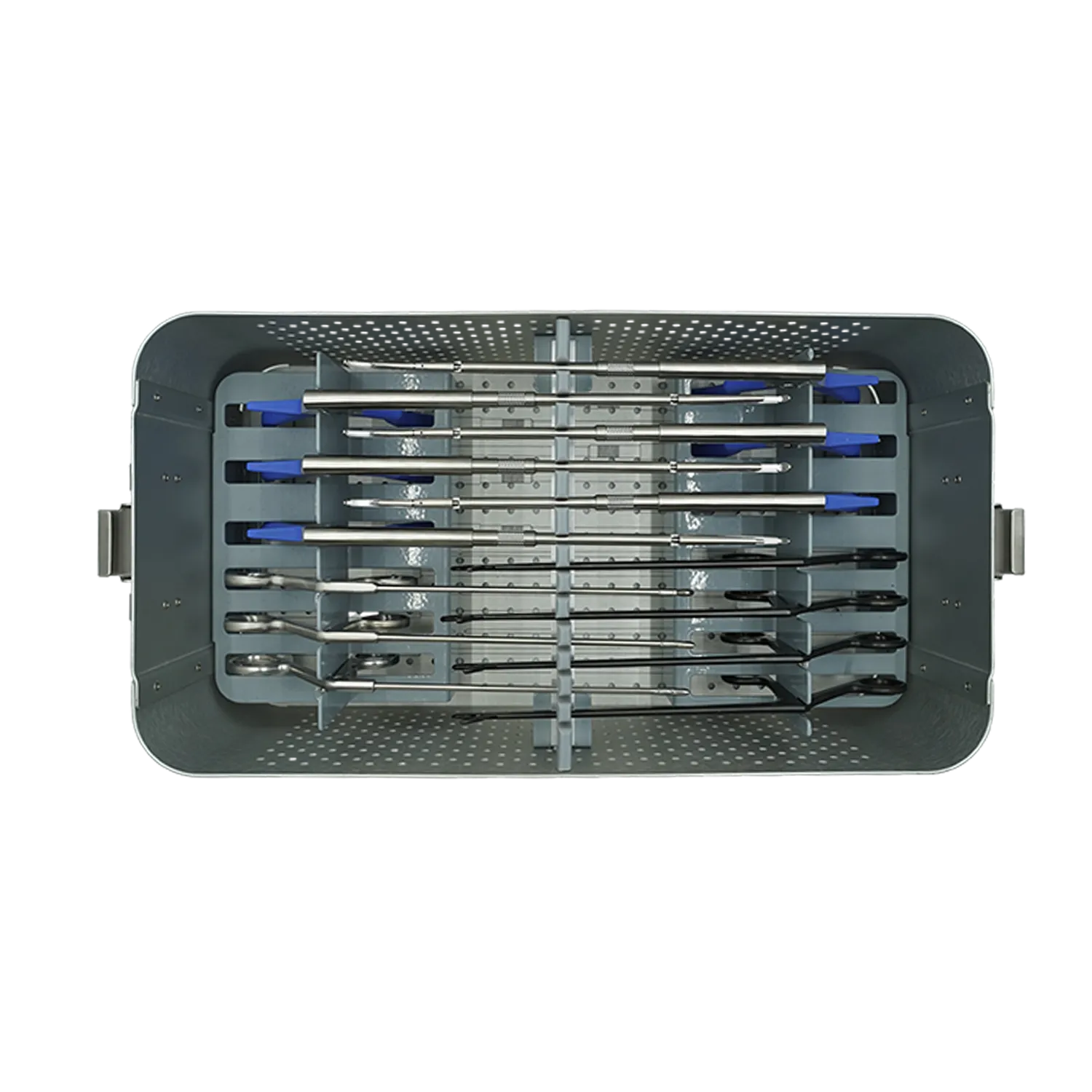
Decompression
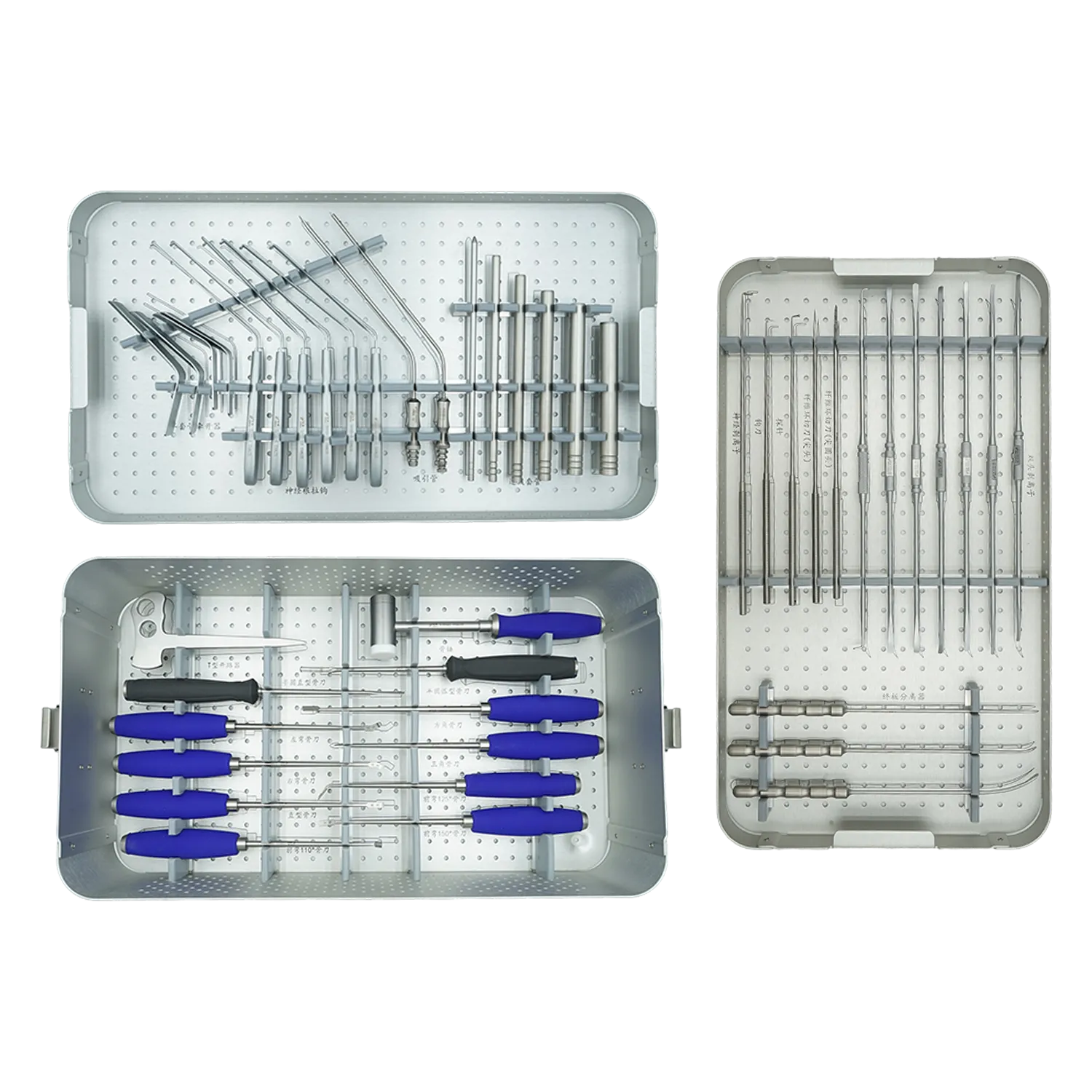
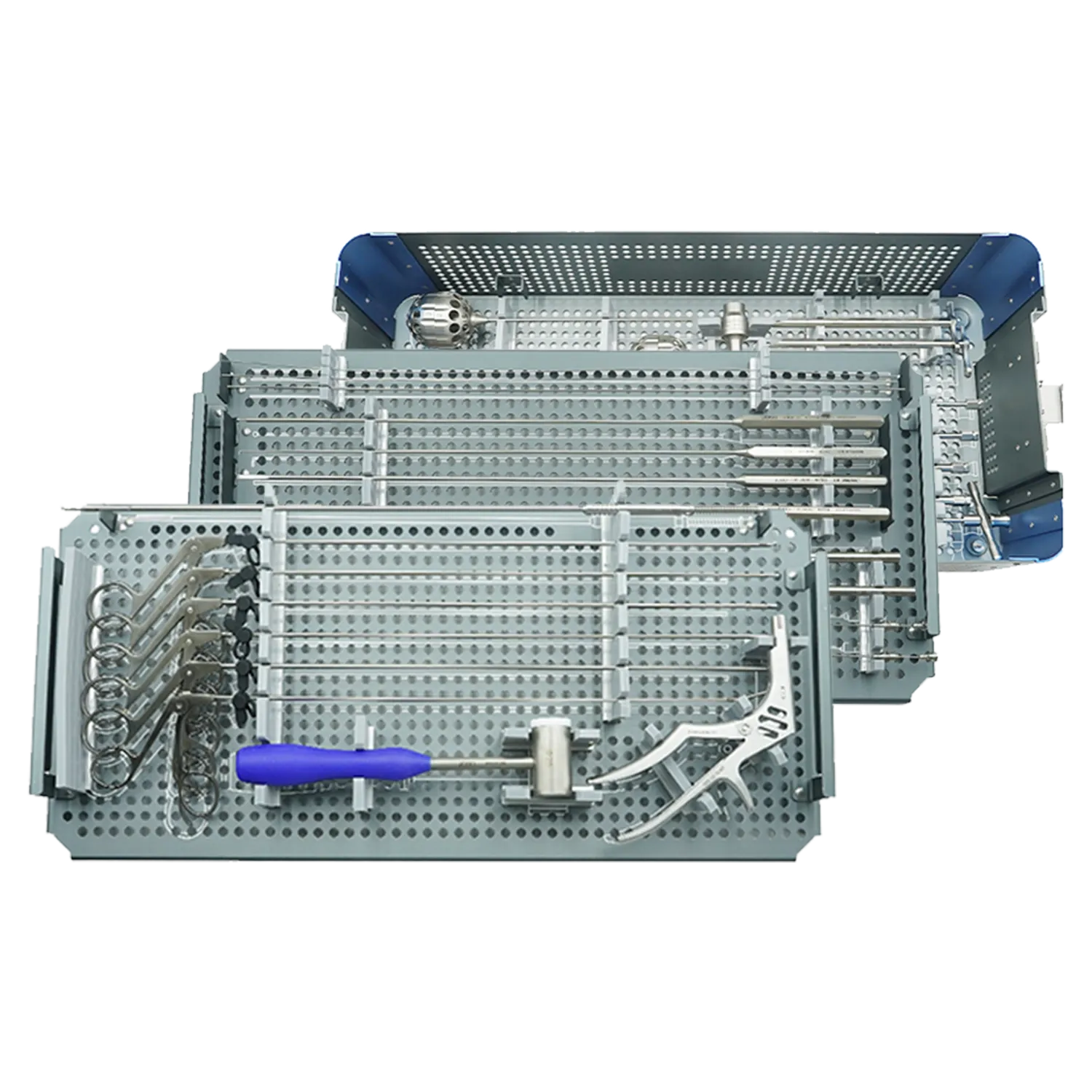
Laminectomy Forceps
Specialized forceps options support controlled bone or tissue handling through a constrained working corridor.
Request forceps configuration →
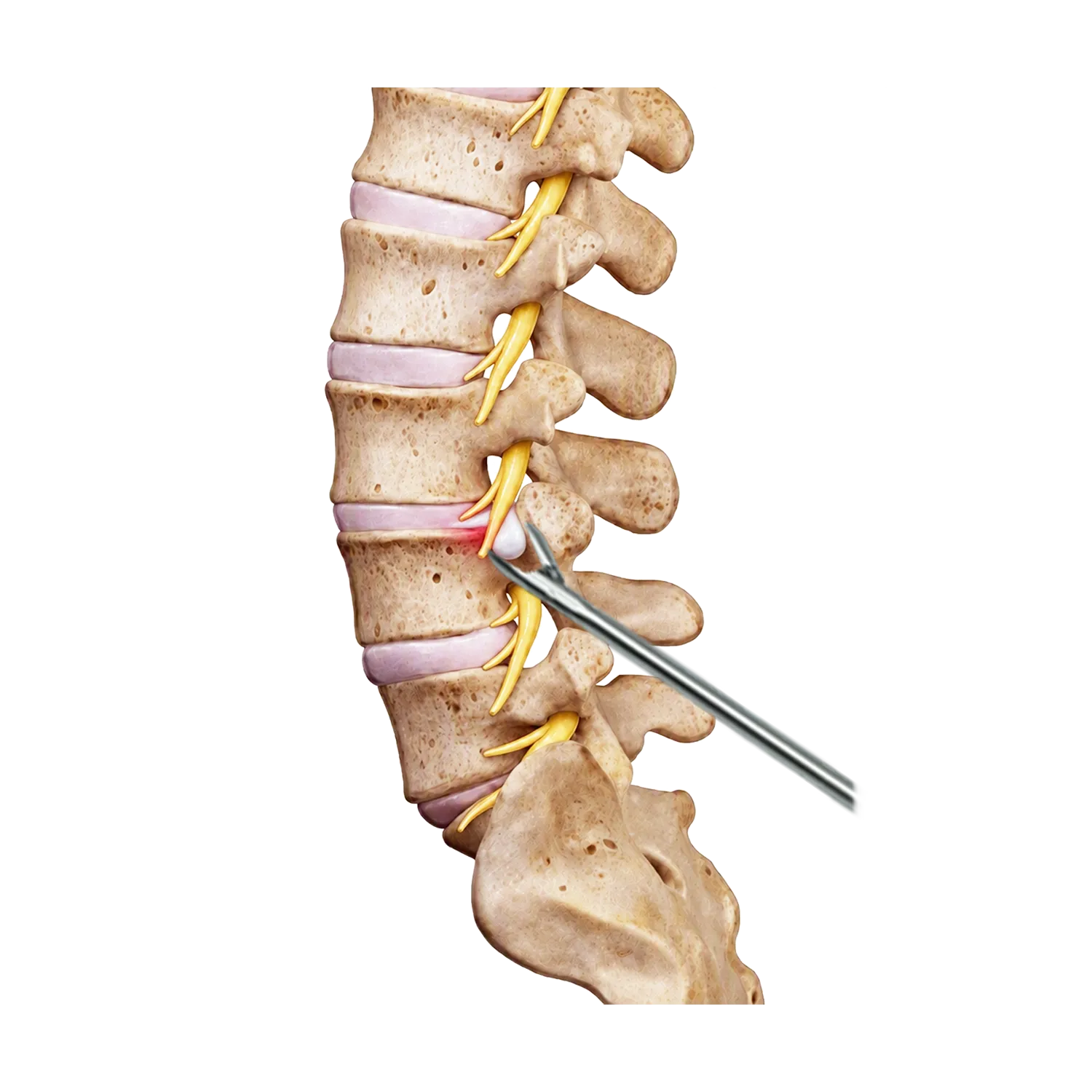
Percutaneous Endoscopic Lumbar Discectomy and Percutaneous Endoscopic Interlaminar Discectomy provide endoscopic approaches for selected lumbar decompression procedures.
XC Medico coordinates visualization, access, decompression and energy instruments into a procedure-focused system for distributors, hospitals and surgeons evaluating endoscopic lumbar surgery portfolios.
Transforaminal or interlaminar access is selected according to pathology, anatomy, imaging and surgeon judgment.
PELD uses a percutaneous transforaminal corridor, while PEID uses an interlaminar corridor. Both approaches combine a spinal endoscope with working-channel instruments to visualize and address selected compressive pathology through a limited access route. Buyers planning a broader minimally invasive portfolio can also review XC Medico's spine implants and instruments.
The specific approach and instrument configuration should follow preoperative imaging, pathology location, patient anatomy, the approved device indication and the surgeon's training. For access-channel planning, compare the dedicated MIS spinal portal instrument set.
Dilators, sleeves and working cannulas establish and maintain the planned corridor.
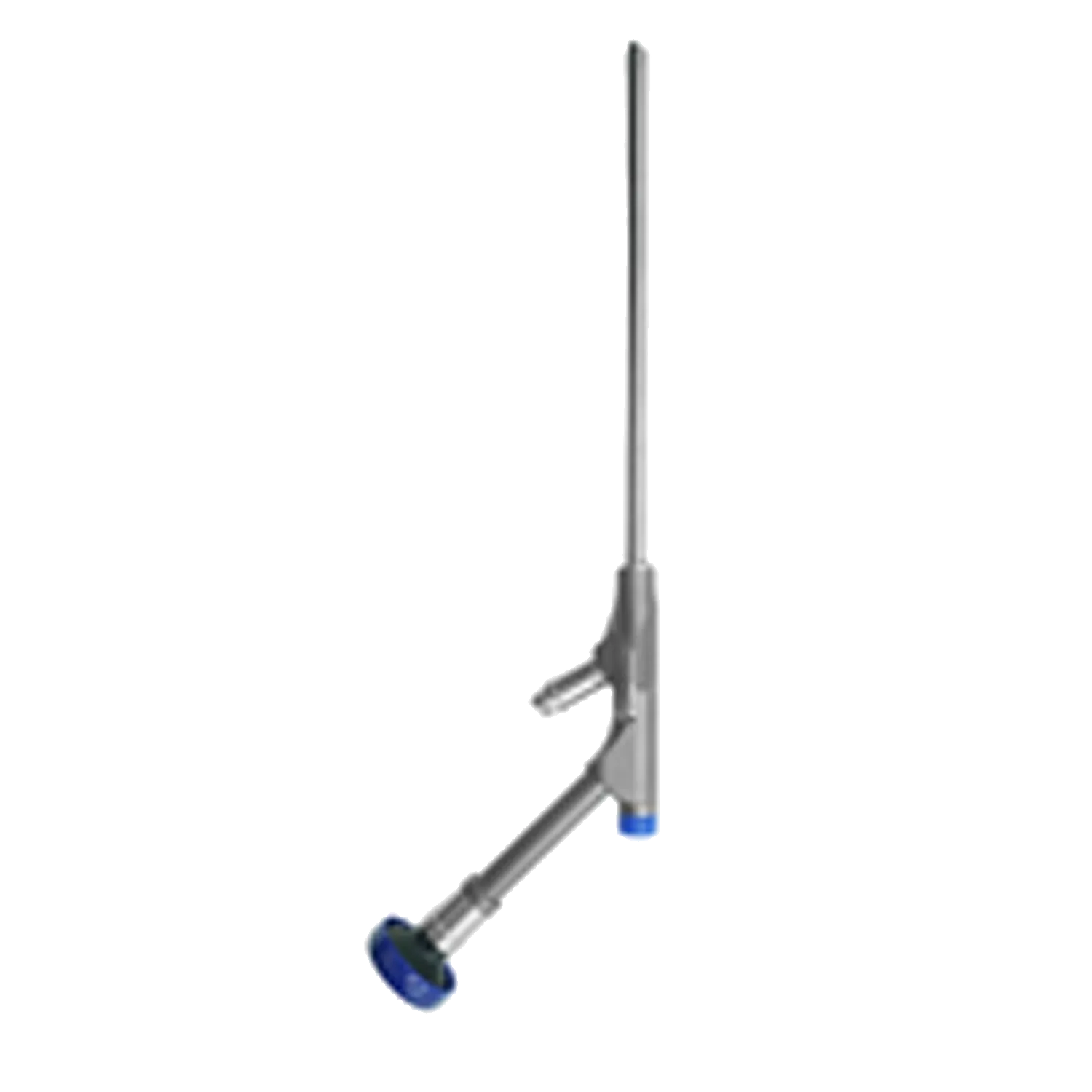
The spinal endoscope supports direct observation within the working field.
Forceps, punches and drills support controlled tissue or bone removal where indicated.
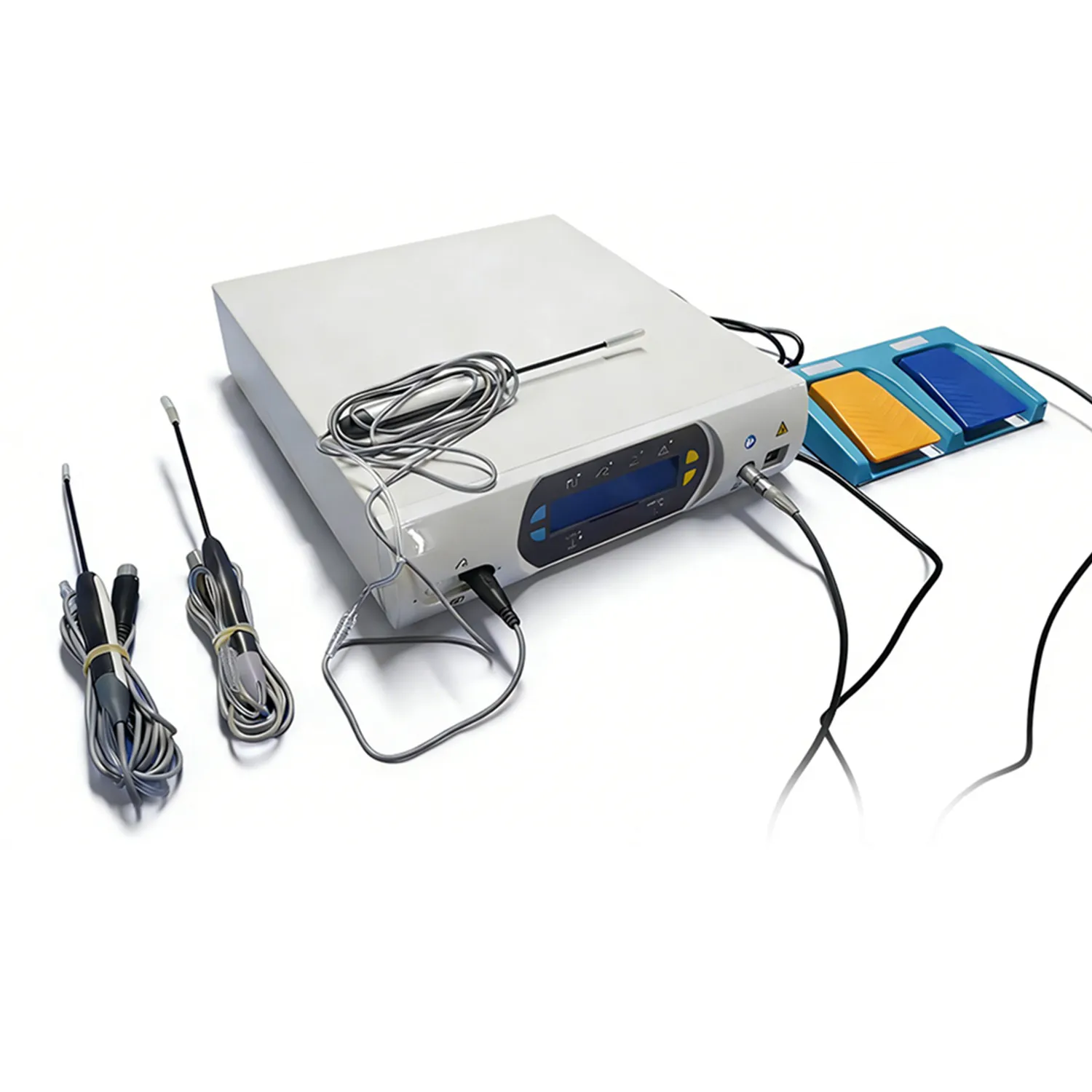
Compatible energy accessories may support hemostasis and soft-tissue management.
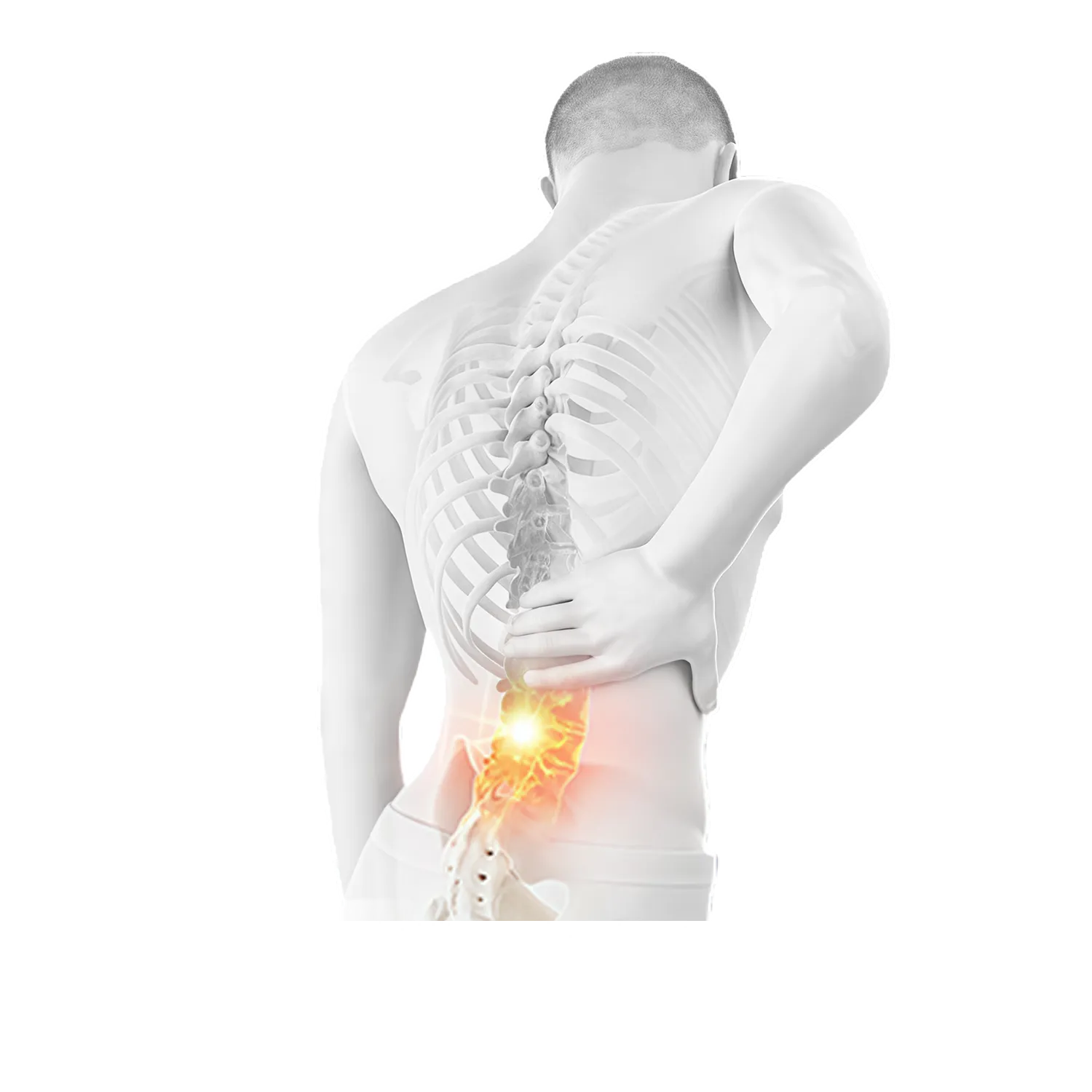
Endoscopic lumbar surgery requires careful case selection. The points below are general educational considerations and do not replace local labeling, clinical guidelines or surgeon judgment.
A coordinated instrument set can simplify product preparation across access, visualization, decompression and completion stages. The sequence varies by approach and clinical plan.
Confirm the target, trajectory and transforaminal or interlaminar route using imaging and anatomical landmarks.
Use guidewires, dilators and a working cannula to create the planned endoscopic corridor.
Connect the spinal endoscope, irrigation and imaging system, then identify key structures.
Use selected forceps, punches, drills and energy accessories according to the operative plan.
Confirm the working field, manage hemostasis and complete withdrawal and closure under the approved technique.
Build a procedure-specific PELD or PEID configuration from visualization, access, decompression and energy components. Final compatibility must be confirmed during product matching. Buyers sourcing controlled bone-work equipment can review the high speed micro electric spine drill, while decompression options are shown in the laminectomy and pituitary forceps instrument set.
Specialized forceps options support controlled bone or tissue handling through a constrained working corridor.
Request forceps configuration →A coordinated set can include access, grasping, cutting and decompression instruments selected for the planned workflow.
Request set matching →Working-channel visualization supports observation and instrument use within selected endoscopic lumbar procedures.
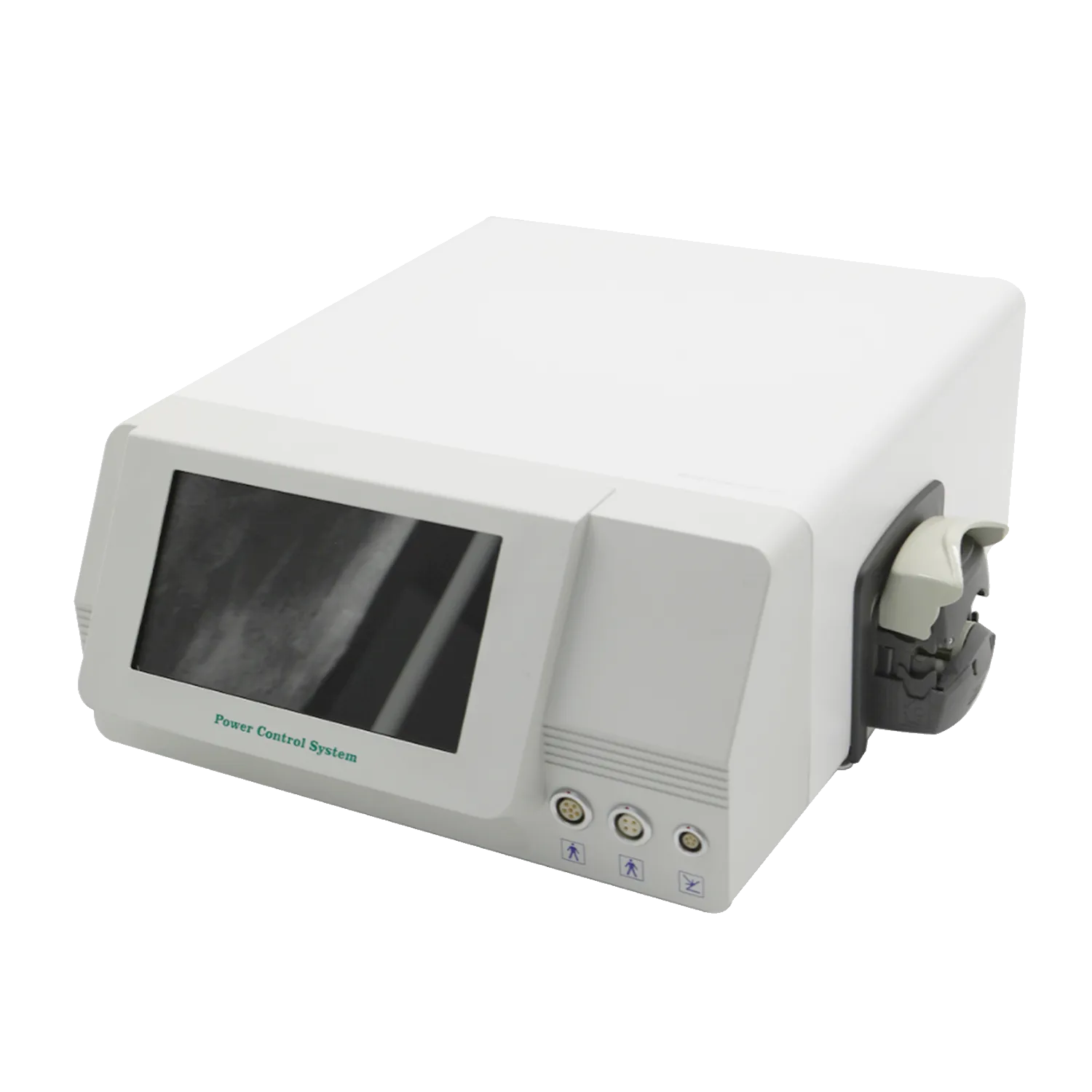
Match an endoscope system →Drill handpieces and compatible burs can support controlled bone work when required by the approach and technique.
View high speed spine drill →Procedure-matched consumables may support soft-tissue management and hemostasis with compatible equipment.
Confirm energy compatibility →Access instruments support cannula placement and working-corridor preparation for selected transforaminal procedures.
Request access set details →The system is designed to support the practical needs of limited-corridor access and direct endoscopic visualization without making claims about individual clinical outcomes.
Procedure-specific access instruments support a limited working corridor and targeted tissue handling.
The endoscope provides a direct view of the working field during selected procedural steps.
A range of working-channel instruments supports controlled removal of selected compressive tissue.
Matched trays and accessories help distributors and hospitals organize procedure-based system supply.
Endoscopic techniques require dedicated training, careful access planning and a strategy for managing anatomy or findings that differ from the preoperative plan.
Identify and protect the exiting and traversing nerve roots, particularly in severe stenosis, migrated fragments or variant anatomy.
Incidental dural injury can be difficult to manage endoscopically. A repair or conversion strategy should be considered before the procedure.
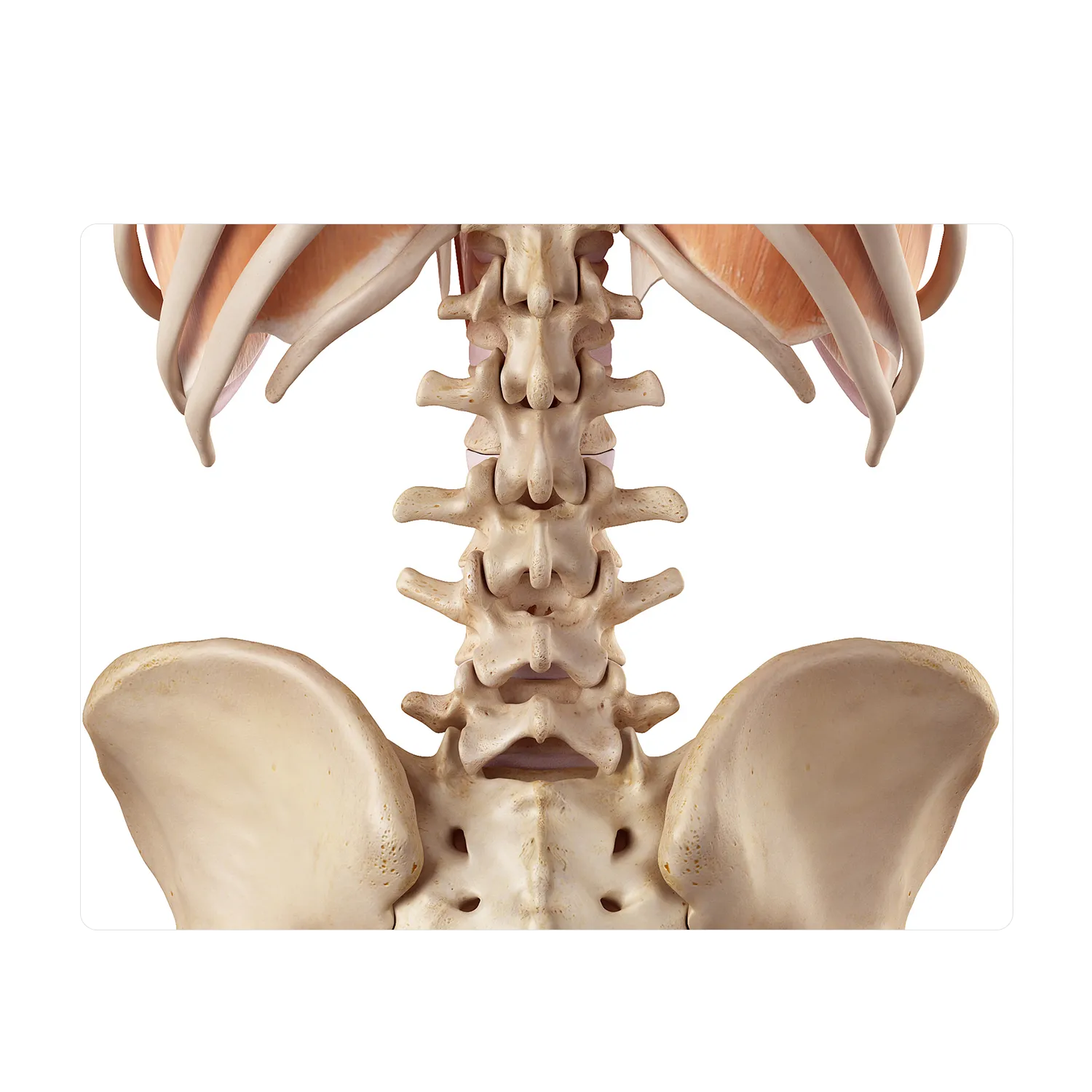
Iliac crest height, foraminal dimensions, interlaminar window, migration pattern and altered anatomy may affect approach selection.
Appropriate training, case selection, equipment familiarity and institutional protocols are central to responsible adoption.
Published literature evaluates endoscopic lumbar discectomy and decompression using outcomes such as pain scores, disability measures, complications, recurrence and reoperation. Results vary with indication, approach, surgeon experience and study design. XC Medico does not present unsupported proprietary outcome claims on this page. Procurement teams can use the current XC Medico spine product catalogs to compare available system families.
Review current peer-reviewed evidence, local guidelines and device-specific labeling when evaluating PELD or PEID.
Because endoscope dimensions, working channels and accessory interfaces must be coordinated, product matching should begin with the intended procedure and installed equipment. Distributors developing a wider orthopedic offering can also explore XC Medico's integrated orthopedic and spine solutions.
Share PELD or PEID, transforaminal or interlaminar approach, target anatomy and the procedures you intend to support.
Provide the existing endoscope, camera, light source, irrigation, drill and energy platform models where applicable.
Confirm required trays, quantities, packaging, private label needs, target market and catalog or training-material requirements.
Share your target procedure, current equipment, required instruments, market and estimated quantity. XC Medico can help prepare a coordinated product-matching proposal for your distribution or hospital project.
PELD generally uses a percutaneous transforaminal approach, while PEID uses an interlaminar approach. Selection depends on pathology, anatomy, level, imaging and surgeon judgment.
A matched solution may include a spinal endoscope, access instruments, working-channel forceps, punches, a high speed drill, plasma consumables and procedure-specific trays.
Provide the target procedure and approach, existing equipment models, preferred tray contents, quantity, packaging needs and target market so compatibility can be reviewed.
No. This is a product-system overview. Clinical use must follow approved labeling, appropriate training, patient-specific planning, local guidelines and institutional protocols.