When you face an ac joint dislocation, titanium plates and modern fixation devices offer a big step forward in repair. These advanced methods bring you stronger stability and quicker recovery than older techniques. You can feel confident knowing that patients treated with newer systems have higher shoulder function scores and fewer joint changes over time.
Patients using modern fixation methods like MSTC reached a Constant-Murley score of 95.8, much higher than the 76.7 seen with older hook plates.
Only 12.5% of patients with MSTC experienced joint changes, compared to 66.7% with hook plates.
Technique | Complication Rates | Other Metrics |
Hook Plate Fixation | Higher incidence | Lower shoulder scores, more joint changes |
TightRope Technique | Similar rates | Better pain scores, shorter recovery time |
You can trust these newer surgical options to provide safe and effective results, setting a clear difference from traditional repairs.
Key Takeaways
Titanium plate repair offers stronger stability and quicker recovery for ac joint dislocations compared to older methods.
Patients using modern fixation techniques report higher shoulder function scores and fewer joint changes over time.
Surgery may be necessary for severe injuries, especially for younger, active individuals, while mild injuries often heal with conservative treatment.
Rehabilitation is crucial after surgery; following a structured plan helps prevent stiffness and supports healing.
Understanding the benefits and risks of titanium plate repair can help you make informed decisions about your treatment options.
AC joint dislocation overview

What it is
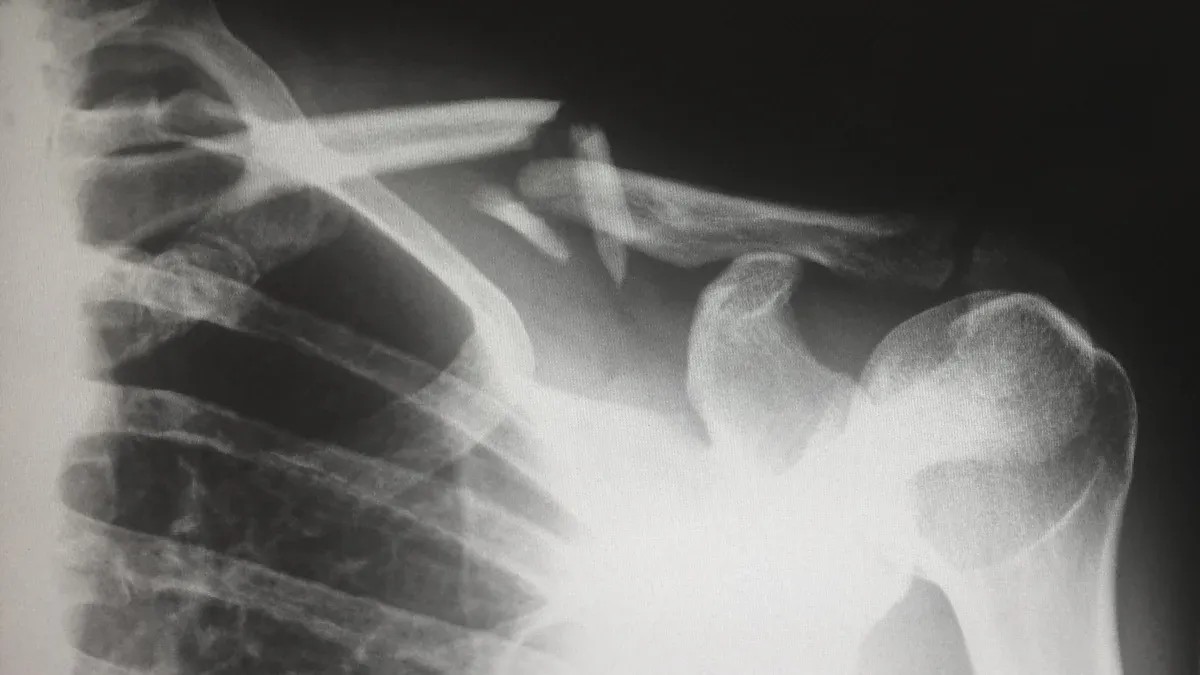
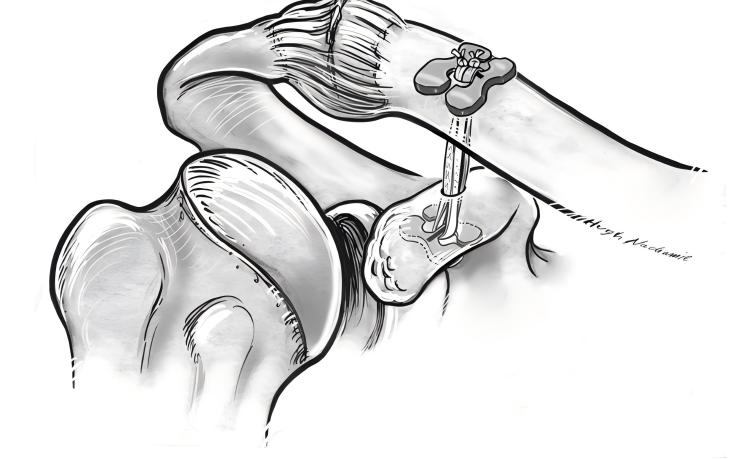
You may hear your doctor talk about an ac joint dislocation when you injure your shoulder. This injury happens at the acromioclavicular (AC) joint, where your collarbone meets the highest point of your shoulder blade. The joint helps your arm move and keeps your shoulder stable.
One in ten shoulder injuries is an ac joint dislocation.
The general population sees about 3 to 4 cases per 100,000 people each year.
More than half of these injuries happen during sports, especially contact sports.
Young men, especially those between 10 and 30 years old, have the highest risk. In this group, almost one in five shoulder injuries is an ac joint injury.
You can get an ac joint dislocation from several causes:
A direct blow to the top of your shoulder
Falling hard onto your shoulder or an outstretched hand
Lifting heavy objects or doing repetitive overhead activities
Sports injuries, especially in contact sports
Arthritis or fractures involving the joint
Impact on movement
When you have an ac joint dislocation, you will likely feel pain, especially when you move your arm across your chest or lift it overhead. The ligaments that hold your AC joint together play a big role in keeping your shoulder steady. If these ligaments get injured, your shoulder can become unstable and sore.
Note: Many people notice that daily activities, like reaching for something on a shelf or playing sports, become difficult after this injury. Even with physical therapy, some discomfort and limited movement may continue if the ligaments do not heal well.
You may find that your shoulder feels weak or unstable. Simple tasks, such as putting on a shirt or carrying a bag, can become challenging. Over time, if the joint does not heal properly, you might experience ongoing pain or trouble with overhead movements.
Why surgery?
When it's needed
You might wonder when surgery becomes the best choice for an ac joint dislocation. Doctors use the Rockwood classification to decide if you need an operation. This system sorts injuries by how much the joint has moved and how unstable your shoulder feels.
Rockwood Classification | Surgical Indication | Patient Factors |
Type I to II | Conservative treatment | Older patients with lower activity levels |
Type III | Depends on your activity | Younger, active patients may need surgery |
Type IV and V | Surgery often recommended | Individual needs and goals are considered |
If you have a mild injury (Type I or II), you usually do not need surgery. Rest, ice, and physical therapy help most people recover. For Type III injuries, your age and activity level matter. Young athletes or people with high physical demands may benefit from surgery. Types IV and V almost always need surgical repair because the joint is very unstable or out of place.
Note: Severe pain, obvious deformity, or trouble using your arm are signs that surgery might help you get back to normal faster.
Surgical options
You have several choices if you need surgery for an ac joint dislocation. Surgeons can use open or arthroscopic (minimally invasive) techniques. Both methods aim to restore the normal position of your joint and rebuild the ligaments that keep your shoulder stable.
Surgical Technique | Outcomes | Notes |
Hook Plate | Good results, but higher complication rate | Less return to sports than newer techniques |
Suture-Button Reconstruction | Better scores and faster recovery | Often preferred for high-grade injuries |
Nonoperative Management | Works for mild injuries | Still debated for some moderate injuries |
Surgeons often choose suture-button reconstruction for high-grade injuries. This method gives you better shoulder function and a quicker return to sports.
Both open and arthroscopic surgeries show similar results. Your surgeon will pick the best approach based on your injury and needs.
Modern repairs focus on rebuilding both the coracoclavicular and acromioclavicular ligaments. This helps restore strength and stability to your shoulder.
If you face surgery, your doctor will explain the options and help you choose the best plan for your recovery.
Traditional repair methods
Common techniques
When you look at how doctors used to treat ac joint dislocation, you find several common surgical methods. Surgeons often used K-wires, hook plates, or suspensory fixation devices to hold the joint in place. K-wires are thin metal pins that connect the bones. Hook plates sit on top of the collarbone and hook under the acromion to keep the joint stable. Suspensory fixation devices, like early endobutton systems, use strong sutures and buttons to tie the bones together.
Some doctors also tried synthetic materials, such as LARS ligaments, or used biological grafts from your own body or a donor. These methods aimed to rebuild the torn ligaments and restore normal movement.
Note: Each of these techniques tried to bring back stability and function to your shoulder, but they came with their own set of challenges.
Limitations
You should know that traditional repair methods have several important limitations. Many patients experienced problems after surgery, which affected their recovery and long-term results.
K-wire techniques often led to complications, such as pin breakage or degenerative changes in the joint.
Endobutton systems sometimes failed to keep the joint in place, with studies showing up to 24% of patients losing reduction.
Suspensory fixation devices had failure rates ranging from 16.6% to 50%. This means a significant number of patients needed more treatment.
Synthetic ligaments like LARS showed a low complication rate of 3.3% and a high success rate of 93.3%. However, biological grafts usually gave better results for chronic injuries.
These limitations made doctors look for better ways to manage ac joint dislocation. Newer techniques now focus on stronger fixation, fewer complications, and faster recovery.
Titanium plate repair

How it works
When you need advanced ac joint dislocation management, titanium plate repair offers a reliable solution. Surgeons use a step-by-step approach to restore your shoulder’s stability and function. Here is what you can expect during the procedure:
You receive general anesthesia to keep you comfortable.
The surgical team places you in a beach chair position. Your shoulders get padded, and your head tilts to the healthy side.
The surgeon exposes the surface of your coracoid and the end of your clavicle.
A fluoroscopy unit helps the team see your clavicle clearly.
The surgeon makes a 4-5 cm skin incision at the inner edge of your acromioclavicular joint.
The skin and tissue are opened to reach the dislocated joint.
Torn tissue is cleaned away. A vascular clamp is inserted along the lateral edge of your coracoid process.
The surgeon creates a tunnel and marks the outer end of your clavicle.
The guider is inserted into the lower edge of your coracoid process, following the tunnel at the clavicle mark.
The position of the guider is confirmed using C-arm fluoroscopy.
Tip: Titanium Plate repair often uses knotless constructs and Core wire tape to secure the joint. This method reduces the risk of knot slippage and improves long-term stability.
You benefit from a technique that focuses on precise placement and strong fixation. The use of titanium devices helps your joint heal in the correct position and supports early movement.
Biomechanical stability
Titanium Plate repair stands out for its biomechanical strength. You get stability in both the axial and superior planes, which means your shoulder can handle daily activities and sports without slipping or failing.
Titanium plates and suture-button constructs both provide strong fixation after repeated axial loading.
The closed-loop double Endobutton design matches the biomechanical strength of commercial cortical button systems.
You experience reduced risk of slippage, which helps prevent joint subluxation and the need for further treatment.
Here is a comparison of biomechanical performance under different loading conditions:
Loading Condition | Group | Stiffness Comparison | Peak VMS Comparison |
Axial Loading | LISS + TAP (OF) | 1.42x higher than LISS + BP (OF) | 2% lower than LISS + TAP (OF) |
Axial Loading | LISS + TAP (OF) | 1.86x higher than DBPs (OF) | 16% lower than LISS + BP (OF) |
Torsional Loading | DBPs (OF) | 2% greater than LISS + TAP (OF) | 8% lower than LISS + TAP (OF) |
Torsional Loading | DBPs (OF) | 52% greater than LISS + BP (OF) | 15% lower than LISS + BP (OF) |
Note: Titanium Plate repair gives you excellent stiffness and resistance to movement in the axial plane. This means your shoulder stays secure during lifting, reaching, and rotation.
Biomechanical studies show that both titanium plates and advanced suture-button constructs deliver similar loads to failure. You can trust these devices to keep your ac joint dislocation stable during recovery and beyond. When you choose Titanium Plate repair, you invest in a solution that supports strong healing and lasting shoulder function.
Titanium plate benefits
Recovery and outcomes
When you choose Titanium Plate repair for ac joint dislocation management, you set yourself up for strong recovery and excellent long-term results. This method helps you regain shoulder strength and function so you can return to your daily activities and sports.
You will notice less pain and better range of motion compared to older methods.
Many patients report higher satisfaction with their shoulder after surgery.
The Constant-Murley score, which measures shoulder function, shows that Titanium Plate and Core wire tape techniques help you achieve better results than traditional hook plates.
You can expect improved performance in activities of daily living, such as reaching, lifting, and dressing.
Forward flexion, or the ability to raise your arm, often improves with advanced techniques. Patients using suture-button or Titanium Plate methods reach about 172.6°, while those with hook plates reach about 166.0°.
Subacromial erosion, a change under the shoulder bone, may occur with some devices, but it usually does not affect your pain or function in the long run.
Tip: Most people who receive Titanium Plate repair for ac joint dislocation return to their normal routines faster and with fewer complications than those treated with older hardware.
You benefit from a stable repair that supports early movement. This means you can start gentle exercises sooner, which helps prevent stiffness and speeds up your recovery.
Risks and considerations
Every surgery comes with some risks. When you choose Titanium Plate repair for ac joint dislocation, you should know about possible complications. Your surgeon will discuss these with you before your procedure.
Loss of reduction can happen, which means the joint may shift out of place again.
Peri-implant fracture, or a break near the plate, can occur but remains uncommon.
Acromial cut-out, where the plate moves through the bone, is a rare risk.
Rotator cuff impingement may develop if the hardware presses on the shoulder tendons.
Some people experience permanent shoulder pain, though most recover well.
Acromial osteolysis, or bone changes near the acromion, can appear in some cases.
Here is a summary of hardware-related issues:
Complication Description | Rate |
Loss of reduction identified in cases | 45% |
Substantial loss of reduction (>6 mm) | 4.5% |
Hardware removal within one year linked to immediate loss of reduction | Relative risk 3.4; odds ratio 11.67 |
Note: Your doctor may recommend hardware removal if you have discomfort or if the plate causes problems. Most people do not need a second surgery, but it is important to follow up with your care team.
You should also consider the cost of Titanium Plate repair. The total medical expenses and hospital stay are higher for operative treatments compared to non-surgical care. However, you gain better stability and function, which can make the investment worthwhile for many active individuals.
The cost for medical services is higher for surgery ($11,012.39) than for non-surgical care ($1,163.81).
Hospital stays last longer for surgical patients (3.3 days) compared to those treated without surgery (0 days).
The total cost for medical treatment is greater for operative repair ($30,262.17) than for non-operative management ($7,833.82).
Tip: Weigh the benefits of improved shoulder function and faster recovery against the higher costs and possible risks. Talk with your orthopedic surgeon to decide if Titanium Plate repair is the best choice for your ac joint dislocation management.
By understanding both the benefits and the risks, you can make an informed decision about your treatment. Titanium Plate and Core wire tape techniques offer you a modern, reliable solution for ac joint dislocation, helping you get back to the activities you love.
Patient experience
What to expect
When you prepare for Titanium Plate repair as part of your ac joint dislocation management, you can expect a clear process from start to finish. Before surgery, your care team will give you instructions about fasting and arrival times. An anesthetist will review your health and explain your anesthesia options. In the operating room, you will have ECG electrodes and a blood pressure cuff placed. The surgery usually takes about 60 to 75 minutes.
After surgery, you will spend time in a recovery room. Nurses will monitor you and provide oxygen and fluids until you feel stable. Your arm will rest in a sling, and you will receive pain relief to keep you comfortable. Most patients go home once they feel well and can manage pain with oral medication.
Stage | Description |
Before Surgery | Instructions on fasting and arrival; anesthesia discussion |
Operating Room | ECG, blood pressure monitoring, anesthesia; surgery lasts 60–75 minutes |
Recovery Room | Nurse monitoring, oxygen, IV fluids; about 1 hour |
Postoperative Care | Arm in sling, regular pain relief |
Discharge | Go home when stable; instructions for pain and constipation management |
Most people notice a big improvement after surgery. Pain levels drop from an average of 4.9 before surgery to just 0.55 after. Shoulder function scores rise from 32.8 to 95.5. Almost everyone returns to good function within 15 months.
You will likely feel less pain and move your shoulder more easily.
Complications are rare, with only a few cases of minor joint issues.
Most patients return to work and daily life quickly.
Rehabilitation
Rehabilitation helps you regain strength and movement after Titanium Plate repair. Your care team will guide you through each phase. You start with gentle exercises and progress to more active movements.
Phase | Activities/Exercises | Timeline |
Initial Phase | Sling, gentle pendulum and Codman’s exercises | Day 1 |
Early Rehabilitation | Passive motion, cuff isometrics | 4 weeks |
Strengthening | Resistive exercise program | 8 weeks |
Return to Work | Manual work allowed as you progress | 2–4 months |
Sports Participation | No contact sports | 6 months |
Range of Motion | Avoid stress, no extreme rotation or elevation | Throughout rehab |
Advanced Exercises | Isometric, isotonic, eccentric for rotator cuff and scapula stabilizers | After full passive ROM |
Final Phase | Throwing, grasping, movement education | End of rehab |
You can expect to return to most normal activities within 2 to 3 months. Many people resume sports or heavy work by 6 months. Your surgeon may use Core wire tape and Titanium Plate to give you a stable repair, which supports a safe and steady recovery.
Tip: Follow your rehabilitation plan closely. This helps prevent stiffness and supports strong healing after ac joint dislocation management.
You can see how Titanium Plate and Core wire tape make a real difference in ac joint dislocation management. These advanced devices give you better stability, faster recovery, and fewer complications than older methods. The table below shows how modern techniques improve your results:
Factor | Modern Technique (TightRope) | Traditional (Hook Plate) |
Incision Length | Shorter | Longer |
Blood Loss | Less | More |
Complications | Fewer | More |
Rehab Scores | Higher | Lower |
Joint Alignment | More Favorable | Less Favorable |
Orthopedic guidelines suggest hook plates remain an option, but they often require a second surgery for removal. Always talk with your orthopedic surgeon to find the best ac joint dislocation management plan for your needs.
FAQ
What is the main benefit of Titanium Plate in ac joint dislocation management?
You get strong, stable fixation with a Titanium Plate. This device helps your shoulder heal in the correct position. It supports early movement and lowers the risk of joint slippage compared to older methods.
How does Core wire tape improve surgical outcomes?
Core wire tape adds extra strength to your repair. It holds the bones together tightly. This helps you recover faster and reduces the chance of the joint moving out of place after surgery.
Will I need to remove the Titanium Plate after healing?
Most people do not need plate removal. Your doctor may suggest it if you feel discomfort or if the plate causes problems. Always follow up with your care team for the best ac joint dislocation management.
How soon can I return to sports after ac joint dislocation surgery?
You usually return to non-contact sports in about 3 months. For contact sports, you may need to wait 6 months. Your surgeon and physical therapist will guide your safe return based on your progress.
Is Titanium Plate repair safe for all ages?
Titanium Plate repair works well for many age groups. Your doctor will consider your age, activity level, and injury type. This helps you get the best outcome for your ac joint dislocation.