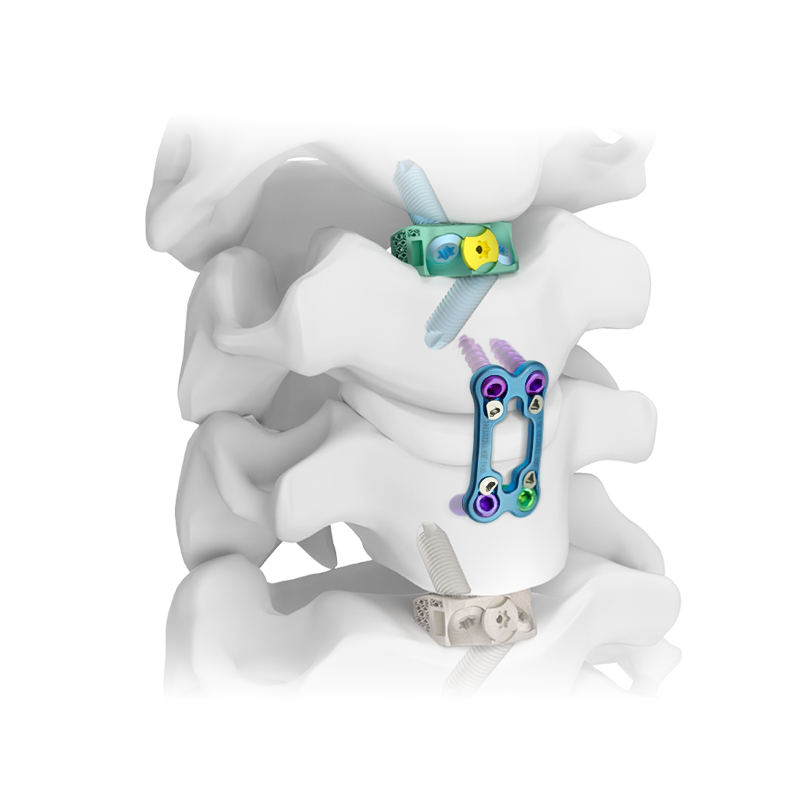
Yes, spina bifida is an orthopedic & spine impairment. This label is used in both medical and school settings. Spina bifida affects the spine, muscles, and how people move. This is important if you work in healthcare, schools, or distribution. The way spina bifida is labeled can change who gets help and support.
Ethnic Group | Prevalence (per 10,000 live births) |
Hispanic | 3.80 |
Non-Hispanic black | 2.73 |
Non-Hispanic white | 3.09 |
In the United States, about 1 in every 2,875 babies is born with spina bifida. You may see more cases in Hispanic families. Knowing how spina bifida fits into orthopedic & spine care helps you support people who need it most.
Key Takeaways
Spina bifida is an orthopedic impairment. It affects how people move. People with it need special care.
Calling spina bifida by its name helps people get help. They can get the right medical and school support.
Regular doctor visits and therapy can help people move better. These things can also help them be more independent.
Schools give special help like IEPs and 504 Plans. These plans help students with spina bifida do well in school.
New technology in spine care gives better treatment choices. This helps people with spina bifida get better care.
Orthopedic & Spine Impairment Overview
![Orthopedic & Spine Impairment Overview]()
What Is Orthopedic Impairment?
You might hear “orthopedic & spine” in hospitals and schools. Orthopedic impairment means there is a big problem with bones, muscles, or nerves. This problem makes it hard to move or learn. Doctors and teachers use this label to give you the right help. Spina bifida fits this meaning because the spine and spinal cord do not form right before birth. This causes trouble with moving and sometimes learning.
Here is a table that shows how experts explain orthopedic impairment:
Definition | Description |
Orthopedic Impairment | A serious orthopedic problem that makes it hard for a child to do well in school, including spina bifida. |
Orthopedic Impairment (OI) | A big problem with bones, muscles, or nerves, including birth problems like spina bifida. |
You can see that spina bifida is in both medical and school meanings. This means you or your child can get help if spina bifida makes life harder.
Spine Conditions and Their Impact
Many spine problems can change how you move and live. Spina bifida is one of the most common spine problems from birth. It happens when the spine and spinal cord do not close all the way before birth. This can cause weak muscles, not being able to move, or not feeling things. You might have trouble walking or standing. Sometimes, spina bifida causes scoliosis or joint problems, which make moving even harder.
Other spine problems, like idiopathic scoliosis, also affect kids. Idiopathic scoliosis is the most common spine curve problem in children. It happens in about 0.5% of kids and is seen more in girls.
If you have spina bifida, you might notice these things:
Weak muscles or not being able to move makes walking or standing hard.
Not feeling things can make balance and moving tricky.
Scoliosis and joint problems can make it tough to move.
Bladder and bowel problems can stop you from joining activities.
Therapies and tools can help you with spina bifida. Physical therapy helps make your muscles stronger. Occupational therapy teaches you how to use special tools. Things like wheelchairs help you get around. Bladder and bowel care lets you join in daily life.
Orthopedic & spine care gives you the help you need. Spina bifida is a good example of an orthopedic impairment that needs special care.
Spina Bifida Classification
Medical Perspective on Spina Bifida
Doctors and specialists have ways to group spina bifida. Spina bifida is the most common neural tube defect. It happens when the neural tube does not close before birth. This problem affects the spine and causes many physical disabilities. Doctors call spina bifida both an orthopedic impairment and a neuromotor disorder. This means it affects your bones, muscles, and nerves.
Doctors use these rules to group spina bifida:
Severe orthopedic impairment changes how you move or act.
Neuromotor impairment comes from problems in the brain, spinal cord, or nerves.
Spina bifida is a congenital condition, so it is there at birth.
Spina bifida can be mild (spina bifida occulta) or serious (spina bifida cystica).
You might see spina bifida listed as a cause of orthopedic impairment in books. The condition often leads to weak muscles, paralysis, or trouble walking. Many problems linked to spina bifida include spinal deformities, hip problems, and joint contractures. These issues can make daily life harder.
Here are some common orthopedic problems you might have with spina bifida:
Spinal deformities like scoliosis and kyphosis are more common if you have severe neurologic lesions.
Lower limb deformities, like hip subluxation or dislocation, often happen because of muscle imbalance.
Contractures of the hip or knee and rotational deformities can change how you walk or move.
Doctors also look at other problems that come with spina bifida. You may have hydrocephalus, bladder incontinence, or a higher risk for urinary tract infections. Orthopedic care for spina bifida needs a team. You might work with neurosurgeons, urologists, and rehab specialists. The main goal is to help you move better and improve your life, not just fix how your spine looks on an X-ray.
Medical experts use these definitions to describe spina bifida and its orthopedic effects:
Definition of Spina Bifida | Orthopedic Implications |
People with spina bifida often have orthopedic issues because of muscle imbalances and weakness. | Abnormal growth and deformities in the spine and lower limbs. |
Neuromuscular scoliosis is found in up to 52% of people with spina bifida. | More common in people who cannot walk and have higher lesions. |
Kyphosis and scoliosis can affect sitting balance and function. | Higher risk of pressure sores and breathing problems. |
You need regular check-ups to watch for changes in movement, feeling, spine shape, and skin health. Surgery may be needed to fix bad deformities or help you move better.
Educational Classification and Eligibility
In schools, spina bifida is also called an orthopedic impairment. This helps you get the support you need to learn and grow. Schools use clear steps to see if you can get special help:
You need a doctor to say you have spina bifida.
The school will check what you can do and what you need.
The impairment must make it harder for you to do well in school.
Spina bifida is a congenital orthopedic impairment. It can affect how you walk, use your hands, or do daily tasks. Schools look for problems with walking, hand use, coordination, or daily living skills. If spina bifida makes these things hard, you can get extra help.
To qualify, you need:
Public schools must find and help students with disabilities. If you have spina bifida, you may get an Individualized Education Program (IEP) or a 504 Plan. An IEP is a plan made by your parents and teachers. It lists the help you need, like therapy or special tools. A 504 Plan gives you changes in your classroom, like more time or a special desk.
Here is a table that shows how schools group spina bifida:
Classification Type | Description |
IEP | An Individualized Education Program (IEP) is made for kids who qualify for special education. It uses tests and checks by different professionals. |
504 Plan | A 504 Plan is made for kids who do not qualify for an IEP but still need changes because of their disability. |
You may get these supports at school:
Extra time to get to class or finish work.
A seat near the door if you use a wheelchair or walker.
Transportation that is easy to use.
Help moving between classes or during fire drills.
More time for tests.
Frequent breaks.
Help with taking notes.
Desks or tables that can be adjusted.
Technology like voice recognition software.
Spina bifida is a condition that needs both medical and school support. You can get help for your physical disability and your learning needs. This support helps you reach your goals and join in school life.
Implications for Orthopedic Impairment
![Implications for Orthopedic Impairment]()
Access to Services and Support
If you have spina bifida, being called an orthopedic impairment helps you get more help. This label lets you get both medical and school support. Spina bifida is a problem with the spine that starts before you are born. It is a main reason some kids have orthopedic impairment. Acquired orthopedic impairment can happen from an injury or birth trauma, but spina bifida is there from the beginning.
You might need help with reading, writing, or moving. Schools and clinics give different kinds of support. Here is a table that shows some services you might get:
Type of Support | Description |
Reading Comprehension | Pre-reading questions, small group sessions, and assistive technology help you understand better. |
Handwriting Challenges | Occupational therapy, special tools, and recorded lectures make writing easier. |
Attention and Impulsivity | Preferential seating, clear instructions, and regular breaks help you focus. |
Sequencing Tasks | Breaking tasks into steps and using visual aids support your learning. |
Organization | Assignment notebooks, visual schedules, and teacher communication keep you on track. |
You may also need special devices to help you move. Using a wheelchair or walker early can help you get around. Many kids with spina bifida use crutches, braces, or wheelchairs. Section 504 of the Rehabilitation Act makes sure you can get these devices and services at school.
Orthopedic Monitoring and Management
People with spina bifida need regular check-ups for their bones and muscles. Doctors look at your spine, hips, and legs to stop or fix problems. Moving early, even a little, helps you be more independent. Sometimes, you might need surgery to fix how you move.
Doctors use special tests to see how you walk. This helps them know if you need surgery or other care. Scoliosis and kyphosis are common spine problems in spina bifida. Hip and foot problems also need to be checked. Treatment can be braces, surgery, or physical therapy.
Getting help early leads to better health as you grow. Fixing problems soon helps you stay active. With good care, you can move better and do more on your own. Good spine care and regular doctor visits help you live your best life.
Differences & Considerations
Orthopedic vs. Other Impairments
You might wonder how orthopedic impairment is different from other disabilities. Orthopedic impairment mostly affects your bones, muscles, and joints. This can make moving, walking, or doing daily things hard. If you have a congenital defect like spina bifida, you may need help to move or do everyday tasks. Orthopedic impairment is a main reason some kids have trouble moving.
Other disabilities, like neuromotor impairments, affect your brain and nerves. These can make it even harder to move or control your body. Neuromotor impairments often need more help, like special tools and teaching. You might use ramps, wheelchairs, or other devices to get around at school or home. Orthopedic impairment usually needs changes to your space, like wider doors or special desks.
Here are some main differences:
Orthopedic impairment affects your muscles and bones and makes moving hard.
Neuromotor impairment can cause bigger problems, like trouble thinking or learning.
You might need special tools for both, but the kind and amount of help can be different.
Variations in Spina Bifida Cases
Not every case of spina bifida is the same. The type and how bad the defect is can change what help you need. Some types of spina bifida only cause small problems. Others can make life much harder.
Type of Spina Bifida | Severity Level | Orthopedic Implications |
Occulta | Mild | Few orthopedic problems |
Meningocele | Moderate | Some orthopedic challenges |
Myelomeningocele | Severe | Big paralysis and orthopedic problems |
Myelomeningocele is the most serious type. It often causes paralysis and loss of feeling in your legs. You may need surgery and care for a long time. This type is usually called an orthopedic impairment. Other types, like occulta, may not need as much help.
You can have spina bifida from birth or get orthopedic impairment from an injury at birth. What you need can change as you grow up. Doctors and teachers look at what you can do and what is hard for you. Early use of special tools can help you move and join activities.
Note: Every person with spina bifida is different. Your care plan should fit your needs and goals.
You have learned that spina bifida is an orthopedic impairment. This is important for doctors, teachers, and people who give out medical tools. Using the right label helps people with spina bifida get the help they need. Medical workers should keep these things in mind:
Spina bifida, especially myelomeningocele, is grouped by how muscles work.
The Myelomeningocele Functional Classification (MMFC) helps plan care.
People with MMFC1 need more help to stop broken bones and sores.
Using the right label in schools and clinics helps people do better:
You can give the right help to each person.
Special plans help students get better at schoolwork and language.
Good support helps people become more independent.
New spine technology, like intraoperative MRI and robotic surgery, makes care better for people with spina bifida. Here are some new tools:
Innovation | Description |
Intraoperative MRI | Shows live pictures to make spine surgery safer. |
Minimally invasive robotic surgery | Helps people heal faster with smaller cuts. |
Intraoperative navigation | Guides doctors to avoid nerves and blood vessels during spine surgery. |
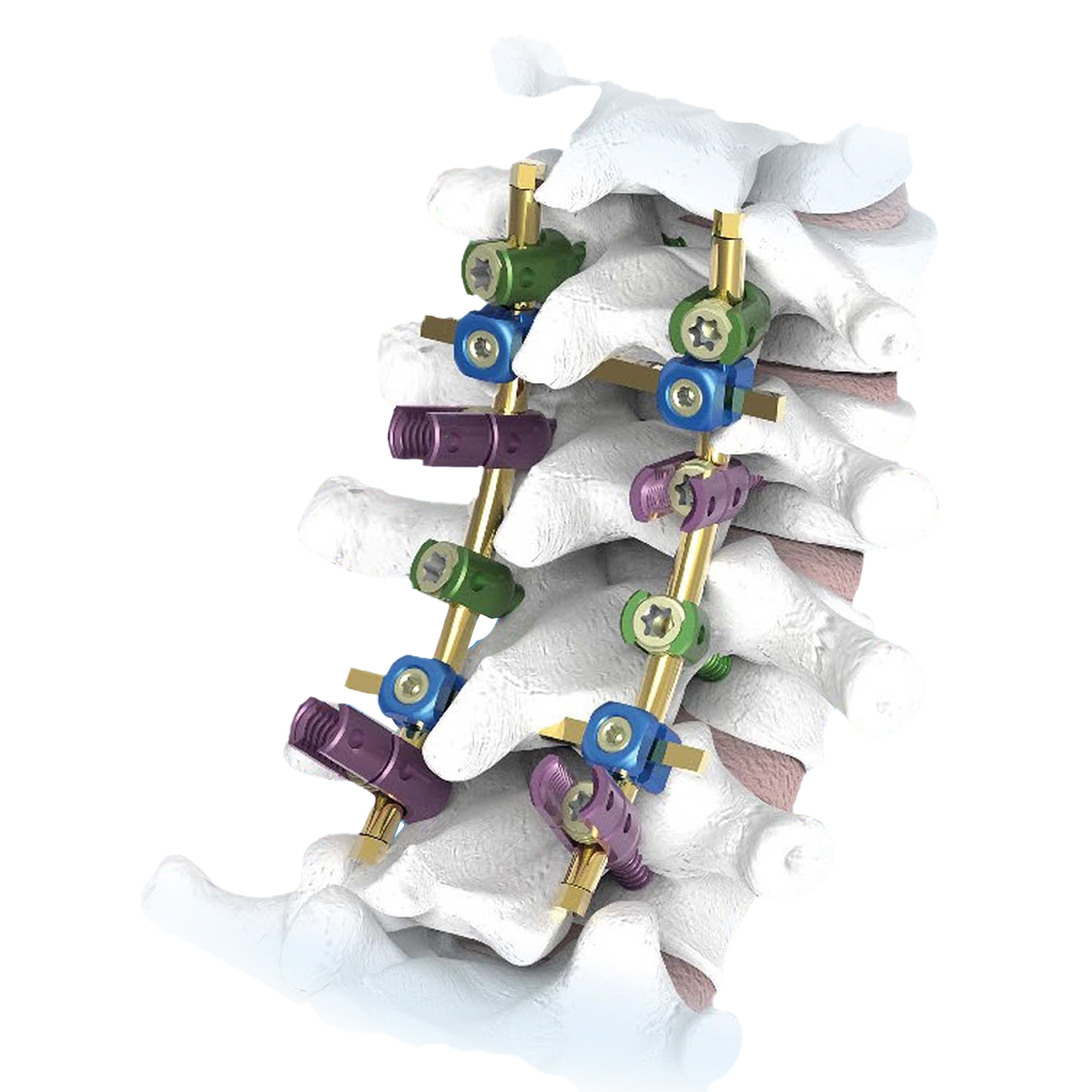
There is no cure for spina bifida, but the right tools and care can make life better. Pick XC Medico as your trusted partner for spine solutions. Our Spine System gives you quality, new ideas, and support for every orthopedic need.
FAQ
Is spina bifida always considered an orthopedic impairment?
Spina bifida is called an orthopedic impairment in schools and hospitals. Most people with myelomeningocele fit this label. Mild cases might need more checks.
What services can you get if you have spina bifida?
You can get physical therapy and occupational therapy. Mobility aids and special education help are also given. Schools may give you an IEP or 504 Plan. Doctors might suggest braces or surgery.
How does spina bifida affect your movement?
Spina bifida can make your muscles weak. Walking and moving joints can be hard. You might need help with balance or use a wheelchair. Regular doctor visits help you stay active.
Can spina bifida change as you grow?
Your needs can change as you get older. You might need new tools or therapies. Doctors and teachers will change your care plan as you grow.
What tools help manage orthopedic problems from spina bifida?
You can use wheelchairs, walkers, and braces to help you move. XC Medico’s Spine System gives strong implants and tools for better spine care.