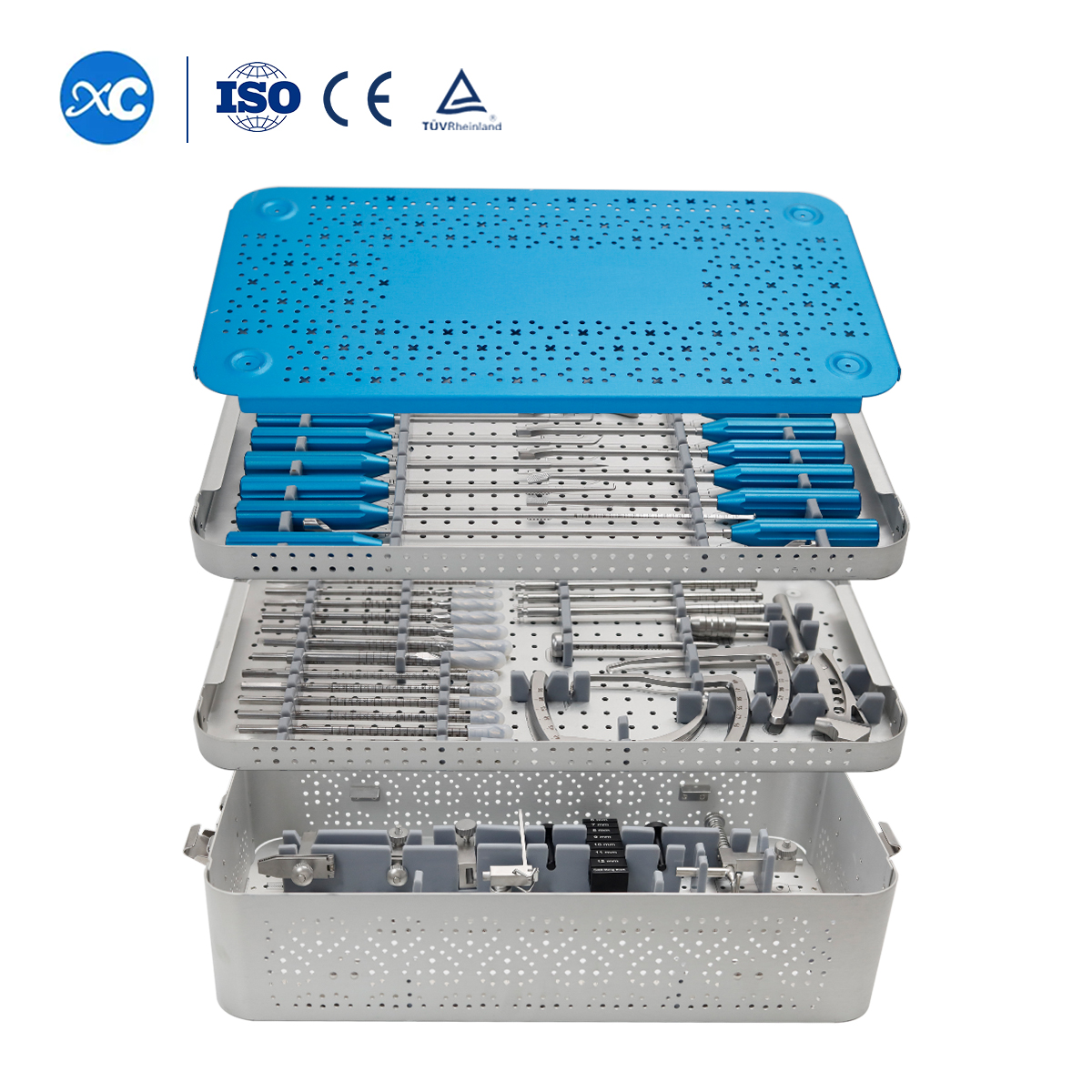
ACL backup fixation systems give extra help during surgery. These systems keep the graft steady after ACL reconstruction. If you know about backup fixation, you can see how it makes surgery safer. It also helps you heal better. Surgeons use these systems to lower the chance of graft failure. They also help avoid more surgeries. New studies show backup fixation methods work well. Adding an osteosuture or post can help you get better results. It also means fewer surgeries to fix problems:
Fixation Method |
Revision Rate |
Outcome Implication |
Metal interference screw (both femoral and tibial) |
High |
More revision surgeries happen |
Endobutton/metal interference screw with backup Osteosuture |
Low |
Graft stays in place even if damaged |
Endobutton/resorbable screw with backup post |
Low |
Studies show better results |
Advanced solutions from XC Medico help you and your doctor get the best results.
Key Takeaways
ACL backup fixation systems give extra help during surgery. They keep the graft in place and help it heal better. Using backup fixation makes graft failure less likely. This means patients have better results and need fewer repeat surgeries. New methods, like suture anchors and dynamic stabilization, make the graft stronger. These methods also help people get better faster. Backup fixation is very helpful for people with weak bones or past surgeries. It helps make the repair stronger. Picking good solutions, like ones from XC Medico, helps people heal faster. It also helps them get back to normal life sooner.
What Are ACL Backup Fixation Systems
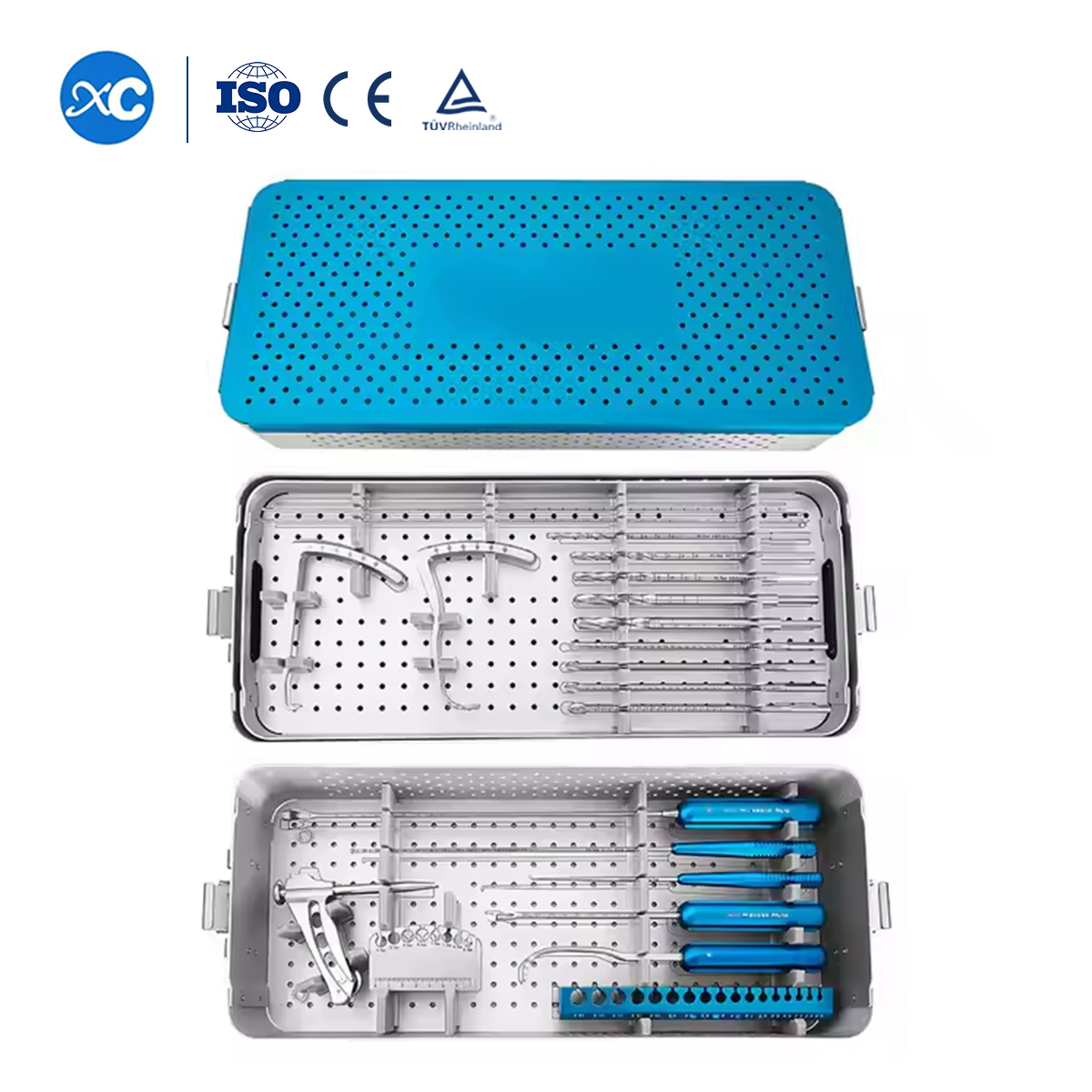
Definition and Purpose
ACL backup fixation systems help keep the graft safe during surgery. These systems give extra support to the main fixation. They make sure the graft stays in place while your knee heals. The goal is to help the tissue heal well after surgery.
These systems use special implants and tools. For example, a 4.75 mm SwiveLock® implant helps with tibial fixation. This step is very important for ACL reconstruction to work. Backup fixation does not replace your ligament. It helps the graft stay close to the bone so healing can happen.
XC Medico has solutions for ACL and PCL reconstruction. These systems give you and your doctor more control during surgery. Using backup fixation lowers the risk of graft movement or failure. This means you can heal better and recover faster.
Tip: Backup fixation systems do not replace the main repair. They add extra safety, especially when your knee is healing.
Role in Anterior Cruciate Ligament Surgery
You help your recovery by learning about backup fixation in ACL surgery. During ACL reconstruction, your doctor puts in a graft to replace the damaged ligament. The backup fixation system supports the graft and keeps it in the right spot as you heal.
New technology in ACL backup fixation systems makes surgery safer and better. Here is a table that shows some new techniques and their benefits:
Technique |
Description |
Key Advancements |
Primary Repair with Suture Alone |
Loop sutures go into the ACL stump and anchor in drilled holes. |
Built the foundation for future ACL repair techniques. |
Suture Anchors |
Anchors attach the ACL to the femoral condyle for better precision. |
Give you more control and stability during fixation. |
Dynamic Intraligamentary Stabilization |
A dynamic device holds the tibia in place during knee movement. |
Keeps the ACL stumps close together as you move. |
These new methods help keep the graft stable. Stability is important for good results after surgery. Backup fixation methods, like suture anchors and dynamic devices, give extra protection against graft problems.
Surgeons use backup fixation systems to make repairs stronger and last longer. You can feel better knowing your graft has extra support while you heal. This support can mean fewer problems and a quicker return to normal life.
How ACL Backup Fixation Systems Work
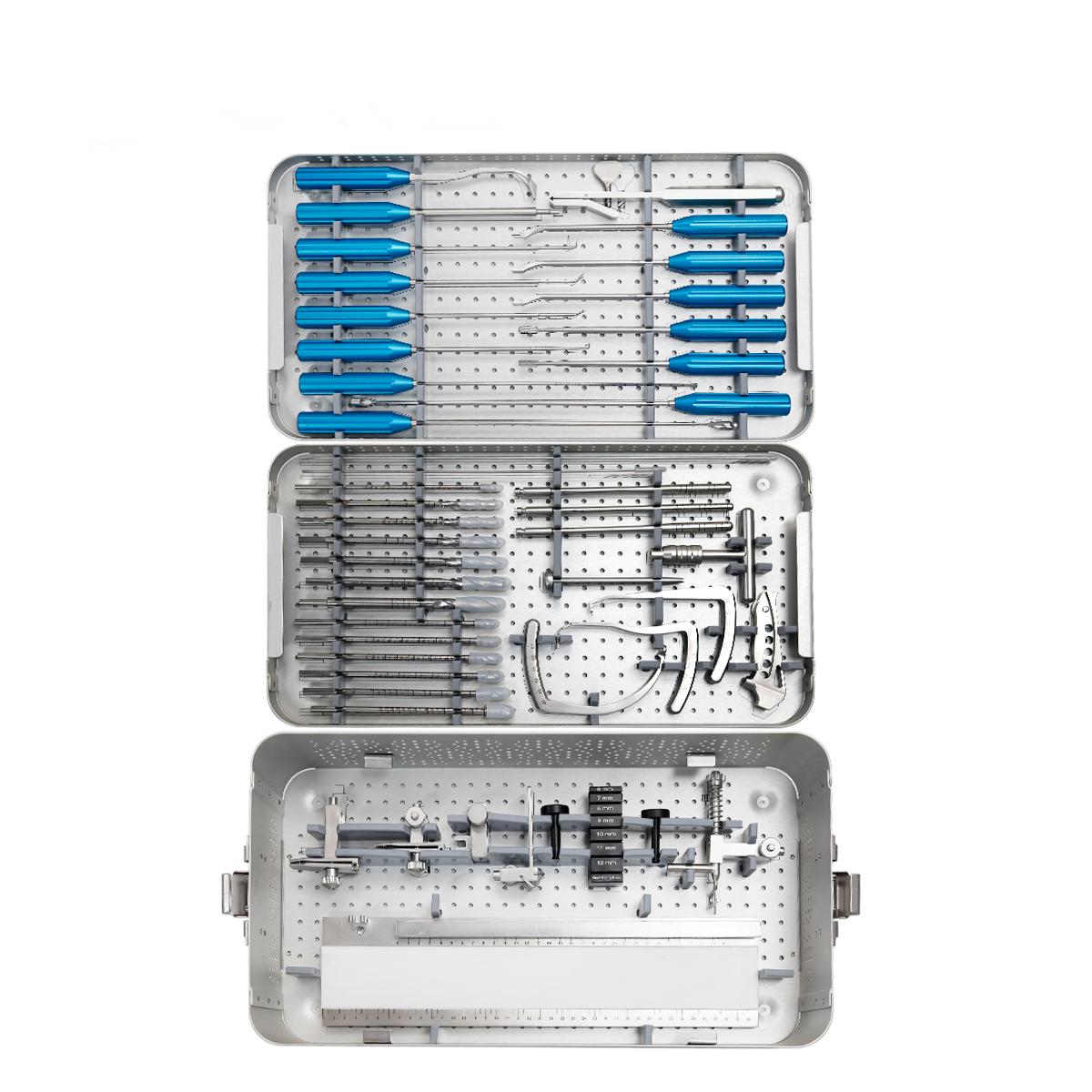
Types and Mechanisms
There are different backup fixation systems for anterior cruciate ligament reconstruction. One type is the PEEK Suture Anchor Screw. This device holds the graft steady during surgery. Other anchor systems and screws can also be used for ACL and posterior cruciate ligament repairs. Each system helps keep the graft in place while your knee heals.
You can look at how strong these systems are. The table below shows how two devices work in anterior cruciate ligament reconstruction:
Metric |
Shark Screw ACL |
Interference Screw |
Slippage Onset (N) |
56.0 |
64.5 |
Ultimate Load (N) |
63% of standard |
100% |
Slippage at Ultimate Load (mm) |
2.5 |
2.9 |
Interference screws can hold the graft tighter. Both types help stop the graft from slipping. They both support good results after surgery.
XC Medico gives you advanced tools that are precise and reliable. Their sets have everything needed for successful anterior cruciate ligament reconstruction. These tools help you get better results and lower the risk of graft failure.
Subcortical and Supplementary Fixation
Subcortical fixation uses a small hole in the bone. This method takes away less bone and keeps it strong. You get a lower profile fixation than with older ways. This helps the graft stay stable during anterior cruciate ligament reconstruction. It also supports better results after surgery.
Supplementary tibial fixation gives extra safety for your graft. Here are some benefits of this method:
The method is easy and saves money.
You avoid pain from hardware problems.
Double fixation makes the graft harder to pull out.
Surgeons have used this way over 100 times with no failures.
Using backup fixation like this helps the graft stay in place. This support helps you heal better and have fewer problems after anterior cruciate ligament reconstruction.
Benefits of ACL Backup Fixation
Graft Stability and Healing
When you have anterior cruciate ligament reconstruction, you want your graft to stay in place and heal well. ACL backup fixation systems give your graft extra support. This support keeps the graft steady as your knee moves. Surgeons use backup fixation to prevent the graft from slipping or stretching. You get better healing because the graft stays close to the bone. Research shows that using backup fixation leads to stronger grafts and better healing after reconstruction.
You can see how different fixation methods work in the table below:
Mechanism |
Description |
Interference Screws |
Used for tibial fixation, provide strong support to withstand forces. |
Suspensory Fixation |
Works well for soft tissue grafts, reduces slippage. |
Adjustable-loop Devices |
Pull the graft to the top of the tunnel, but may loosen after use. |
Re-tensioning and Knot Tying |
Help keep the graft tight after initial fixation. |
Reducing Graft Failure Risk
You want your anterior cruciate ligament graft to last. Backup fixation lowers the risk of graft failure. Surgeons use backup systems to add another layer of safety. This extra support helps the graft resist forces that could cause it to fail. Studies show that backup fixation methods, like suspensory fixation and interference screws, improve clinical outcomes and reduce the need for revision surgery.
Here are some key benefits found in recent studies:
Benefit |
Description |
Knee Stability |
Double adjustable-loop suspensory fixation gives your knee more stability after reconstruction. |
Clinical Outcomes |
Backup fixation improves clinical outcomes and function. |
Safety |
The procedure is safe, with no extra complications from backup fixation. |
Note: Surgeons report less knee laxity and better function with backup fixation, especially at long-term follow-up.
Supporting Patient Recovery
You want to return to your normal activities after anterior cruciate ligament reconstruction. Backup fixation helps you recover faster and with fewer problems. Patients report higher scores for knee function and confidence when backup fixation is used. You can see the difference in patient-reported outcomes below:
Outcome Measure |
Group C (Revision + Anterolateral) |
Group I (Isolated Revision) |
IKDC Score |
84.3 ± 18.5 |
75.9 ± 19.2 |
Tegner Score |
7.0 ± 0.8 |
6.3 ± 0.7 |
ACL-RSI Score |
69.5 ± 25.4 |
51.9 ± 23.1 |
Advanced ACL backup fixation systems, like those from XC Medico, are designed to give you the best outcomes. You get a stable graft, lower risk of failure, and a smoother recovery. These systems help you get back to sports, work, and daily life with confidence.
ACL Backup vs. Primary Fixation
Key Differences
It is important to know the difference between backup and primary fixation in anterior cruciate ligament reconstruction. Primary fixation keeps the graft in place right after surgery. Backup fixation gives extra support to help the graft stay steady while you heal. Both methods help your knee get better, but they do not work the same way.
Here is a table that shows the main biomechanical differences:
Fixation Method |
Advantages |
Disadvantages |
Compression Fixation |
Less graft-tunnel movement and less tunnel widening |
Interference screws can hurt the graft and cause slippage |
Suspensory Fixation |
Not very invasive, gives similar strength and position |
Tunnel widening and more graft-tunnel movement can happen |
Adjunct Fixation |
Adds another way to keep the graft strong |
N/A |
Primary fixation uses compression or suspensory ways to hold the graft. Backup fixation, also called adjunct fixation, adds more strength. This gives the graft extra stability and helps stop problems as you heal. Backup fixation does not take the place of the main fixation. It helps the main fixation, especially when the graft needs more support.
When Backup Fixation Is Needed
Backup fixation is needed in some cases during anterior cruciate ligament reconstruction. Surgeons use backup fixation if the bone is weak or if you had surgery before. Backup fixation also helps when the graft needs more support to stay in place.
Backup fixation helps if your bone is not strong.
It lowers the chance of graft failure and keeps your knee stable.
If you need another surgery, backup fixation is even more important for good results.
Backup fixation makes the graft more stable and helps you heal faster. Surgeons pick backup fixation to help you get the best results from your surgery. You can go back to your activities with more confidence and worry less about graft problems.
You want your knee to have strong support after getting hurt. ACL backup fixation systems are very important in anterior cruciate ligament reconstruction. These systems help keep your graft steady and help it heal. You can trust that they are safe and work well. New studies say patients do just as well or better with these new systems:
Patients feel the same or better after one year.
Problems are rare and about the same in both groups.
You can move your knee fully again in 12 months.
Pick XC Medico for new and trusted solutions. You will get good support for healing and the best results.
FAQ
What is an ACL backup fixation system?
You use an ACL backup fixation system to give your new ligament extra support during healing. This system helps keep the graft in place and lowers the chance of it moving or failing.
Do I need backup fixation for my ACL surgery?
Your surgeon decides if you need backup fixation. You may need it if your bone is weak, you had surgery before, or your graft needs more support.
How does backup fixation help my recovery?
Backup fixation keeps your graft steady. You heal faster and have fewer problems. You can return to sports and daily life with more confidence.
Is backup fixation safe?
Yes, backup fixation is safe. Surgeons use these systems often. Studies show that backup fixation does not cause extra problems and helps your knee stay strong.
Will I feel the backup fixation device in my knee?
You usually do not feel the backup fixation device. The device stays inside your knee and does not bother you during normal activities.
 Русский
 English
 简体中文
简体中文 繁體中文
繁體中文 العربية
 Français
 Español
 Português
 Deutsch
 italiano
 日本語
日本語 한국어
한국어 Nederlands
 Tiếng Việt
 ไทย
ไทย Polski
 Türkçe
 አማርኛ
አማርኛ ພາສາລາວ
 ភាសាខ្មែរ
 Bahasa Melayu
 ဗမာစာ
ဗမာစာ தமிழ்
தமிழ் Filipino
 Bahasa Indonesia
 magyar
 Română
 Čeština
 Монгол
 қазақ
қазақ Српски
 हिन्दी
 فارسی
فارسی Kiswahili
 Slovenčina
 Slovenščina
 Norsk
Norsk Svenska
 українська
 Ελληνικά
 Suomi
Suomi Հայերեն
 עברית
עברית Latine
 Dansk
Dansk اردو
اردو Shqip
Shqip বাংলা
বাংলা Hrvatski
 Afrikaans
 Gaeilge
 Eesti keel
 Māori
Māori සිංහල
සිංහල नेपाली
 Oʻzbekcha
 latviešu
 অসমীয়া
 Aymara
 Azərbaycan dili
 Bamanankan
 Euskara
 Беларуская мова
 भोजपुरी
 Bosanski
 Български
 Català
 Cebuano
 Corsu
Corsu ދިވެހި
 डोग्रिड ने दी
 Esperanto
 Eʋegbe
 Frysk
Frysk Galego
 ქართული
 guarani
 ગુજરાતી
 Kreyòl ayisyen
 Hausa
Hausa ʻŌlelo Hawaiʻi
 Hmoob
Hmoob íslenska
 Igbo
Igbo Ilocano
 Basa Jawa
 ಕನ್ನಡ
ಕನ್ನಡ Kinyarwanda
 गोंगेन हें नांव
 Krio we dɛn kɔl Krio
 Kurdî
Kurdî Kurdî
Kurdî Кыргызча
 Lingala
 Lietuvių
 Oluganda
 Lëtzebuergesch
 Македонски
 मैथिली
 Malagasy
 മലയാളം
 Malti
Malti मराठी
मराठी ꯃꯦꯇꯥꯏ (ꯃꯅꯤꯄꯨꯔꯤ) ꯴.
 Mizo tawng
 Chichewa
 ଓଡ଼ିଆ
ଓଡ଼ିଆ Afaan Oromoo
 پښتو
پښتو ਪੰਜਾਬੀ
 Runasimi
 Gagana Samoa
 संस्कृत
 Gaelo Albannach
 Sepeti
 Sesotho
 chiShona
 سنڌي
سنڌي Soomaali
 Basa Sunda
 Wikang Tagalog
 Тоҷикӣ
 Татарча
 తెలుగు
 ትግንያውያን
 Xitsonga
 Türkmençe
 संस्कृत
 ئۇيغۇرچە
 Cymraeg
 isiXhosa
 ייִדיש
 Yorùbá
 isiZulu


