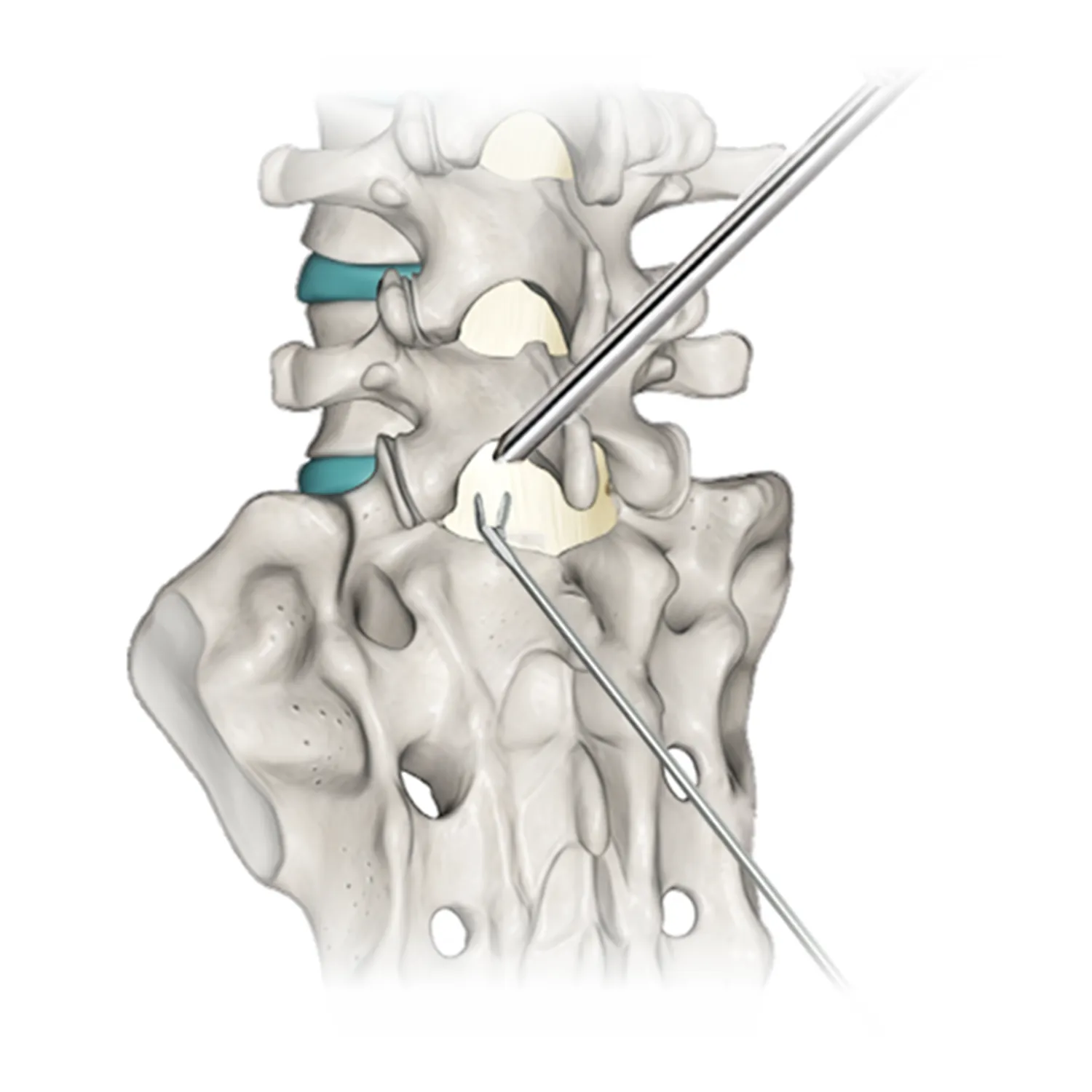
Orthopedic spinal implants have become essential components in modern spine surgery. These medical devices are designed to stabilize spinal structures, restore alignment, and support fusion procedures for various spinal conditions.
With continuous development in implant materials, surgical techniques, and manufacturing technologies, modern spine implant systems have evolved from simple fixation devices into advanced solutions supporting cervical, thoracic, and lumbar procedures.
For hospitals, orthopedic distributors, and medical device partners, choosing the right spinal implant supplier requires evaluation of implant design, material expertise, manufacturing capability, quality systems, and long-term cooperation potential.
XC Medico provides orthopedic spinal implant solutions including pedicle screw systems, interbody fusion cages, cervical implants, and customized spine implant products for global medical partners.
Key Takeaways Orthopedic spinal implants include fixation systems, interbody cages, cervical implants, and reconstruction devices.
Titanium alloy and PEEK are two major materials used in modern spinal implant manufacturing.
Advanced manufacturing technologies improve implant precision, consistency, and customization capability.
A reliable spinal implant manufacturer should provide product diversity, quality control, technical support, and OEM capability.
XC Medico supports global distributors with comprehensive spine implant solutions and manufacturing expertise.
What Are Orthopedic Spinal Implants
Orthopedic spinal implants are medical devices designed to support, stabilize, or reconstruct spinal structures during surgical procedures. They are commonly used in spinal fusion, deformity correction, trauma treatment, and degenerative spine surgery.
Depending on the surgical requirement, spinal implants may provide fixation, maintain spinal alignment, restore disc height, or support bone fusion between vertebral segments.
Role of Spinal Implants in Modern Spine Surgery
Modern spine surgery relies on implant systems to achieve controlled stabilization and predictable mechanical support. These implants allow surgeons to address different spinal conditions through approaches such as cervical fusion, lumbar fusion, minimally invasive procedures, and complex reconstruction.
| Function | Application |
| Spinal stabilization | Maintains vertebral alignment and supports healing after surgery. |
| Fusion support | Provides structural support while bone fusion develops. |
| Deformity correction | Helps restore spinal balance in complex cases. |
| Reconstruction | Supports treatment of trauma, tumors, and spinal defects. |
Types of Modern Spinal Implant Systems
Modern spine implant systems include multiple implant categories designed for different anatomical regions and surgical techniques. A complete spinal implant portfolio usually covers fixation systems, fusion devices, cervical solutions, and specialized reconstruction products.
Pedicle Screw Systems
Pedicle screw systems are among the most widely used spinal fixation solutions. They provide posterior stabilization by connecting screws placed into vertebral pedicles with rods or other fixation components.
Modern pedicle screw systems include options such as polyaxial screws, monoaxial screws, locking mechanisms, rods, hooks, and related instrumentation.
XC Medico provides pedicle screw system solutions for different spinal fixation applications.
| Component | Purpose |
| Pedicle screws | Provide vertebral fixation points. |
| Rods | Connect fixation points and maintain alignment. |
| Locking components | Secure the construct after assembly. |
| Surgical instruments | Support accurate implant placement. |
Interbody Fusion Cages
Interbody fusion cages are designed to restore disc space, maintain spinal height, and provide support for bone fusion. They are widely used in cervical and lumbar fusion procedures.
Common types include:
Cervical interbody cages for ACDF procedures.
TLIF cages for transforaminal lumbar fusion.
PLIF cages for posterior lumbar fusion.
ALIF cages for anterior lumbar fusion.
OLIF cages for lateral access procedures.
Learn more about interbody fusion cage solutions for different spinal fusion applications.
Cervical Spine Implant Systems
Cervical implant systems are designed for procedures involving the cervical spine. Common products include cervical plates, screws, cages, and fixation instruments.
These implants help maintain cervical stability and support fusion procedures such as anterior cervical discectomy and fusion.
XC Medico develops cervical spine implant solutions for different surgical requirements.
Vertebral Body Replacement Systems
Vertebral body replacement systems are used in complex spinal reconstruction procedures involving vertebral defects caused by trauma, tumors, or other conditions.
These systems are designed to provide structural support and restore spinal stability in challenging reconstruction cases.
Minimally Invasive Spine Implant Systems
The development of minimally invasive spine surgery has increased demand for specialized implant systems. MIS spine implants are designed to support reduced surgical access while maintaining fixation performance.
| MIS Implant Feature | Design Purpose |
| Percutaneous screw systems | Support minimally invasive posterior fixation procedures. |
| Specialized instruments | Assist controlled implant placement through smaller access points. |
| Optimized implant profiles | Improve compatibility with minimally invasive techniques. |
Materials Used in Spinal Implant Manufacturing
Material selection is one of the most important factors in orthopedic spinal implant manufacturing. Implant materials must provide mechanical strength, biocompatibility, corrosion resistance, and long-term reliability inside the human body.
Modern spinal implant manufacturers commonly use titanium alloy, PEEK, and other advanced biomaterials according to different implant applications.
Titanium Alloy in Spinal Implants
Titanium alloy is one of the most widely used materials in spinal implant systems because of its excellent strength-to-weight ratio, corrosion resistance, and biocompatibility.
Titanium is commonly used for:
| Titanium Alloy Characteristics | Application Benefits |
| High mechanical strength | Provides stable fixation support. |
| Excellent corrosion resistance | Supports long-term implant durability. |
| Biocompatibility | Suitable for long-term implantation. |
PEEK Material for Interbody Fusion Cages
Polyether ether ketone (PEEK) has become an important material for interbody fusion cage manufacturing because of its radiolucent properties and mechanical characteristics.
PEEK is commonly used in:
| PEEK Feature | Value in Spinal Applications |
| Radiolucent properties | Allows clearer imaging evaluation after implantation. |
| Elastic modulus characteristics | Provides mechanical properties closer to natural bone compared with some metals. |
| Design flexibility | Supports different cage geometries and configurations. |
Advanced Surface Technologies
Surface engineering has become an important development area in spinal implant manufacturing. Different surface treatments are used to improve implant performance and provide additional design options.
Common technologies include:
Porous surface structures.
Titanium surface coatings.
Textured implant surfaces.
Advanced manufacturing structures created through additive manufacturing.
Manufacturing Technologies for Spinal Implants
A professional spinal implant manufacturer requires advanced manufacturing capability to produce implants with accurate dimensions, consistent quality, and reliable performance.
Precision CNC Machining
CNC machining is widely used in orthopedic implant manufacturing because spinal implants require strict dimensional accuracy and complex geometries.
Precision machining supports the production of:
Pedicle screws with accurate thread profiles.
Rods and fixation components.
Complex cage structures.
Customized spinal implant designs.
Quality Inspection and Testing
Quality control is a critical part of spinal implant production. Manufacturers should establish inspection procedures throughout the manufacturing process.
| Quality Control Process | Purpose |
| Dimensional inspection | Ensures implant specifications meet design requirements. |
| Material verification | Confirms material quality and traceability. |
| Surface inspection | Evaluates implant surface quality. |
| Final inspection | Ensures product consistency before delivery. |
3D Printing and Additive Manufacturing
Additive manufacturing has created new possibilities for orthopedic implant development. It allows manufacturers to create complex structures that are difficult to achieve through traditional machining methods.
In spinal implant development, 3D printing may support:
Complex implant geometries.
Customized implant designs.
Porous structures.
Rapid product development.
How to Choose a Spinal Implant Manufacturer
Selecting the right spinal implant manufacturer is an important decision for orthopedic distributors, hospitals, and medical device companies. A reliable supplier should provide not only quality products but also manufacturing expertise, technical support, and long-term cooperation capability.
1. Evaluate Manufacturing Capability
A professional spine implant manufacturer should have dedicated orthopedic production capabilities, including implant machining, quality inspection, and production management systems.
Important evaluation factors include:
Experience in orthopedic implant production.
Advanced manufacturing equipment.
Stable production capacity.
Consistent quality control processes.
2. Review Product Portfolio Coverage
A reliable supplier should provide a complete range of spinal implant systems rather than only individual products.
| Product Category | Example Applications |
| Pedicle screw systems | Posterior spinal fixation. |
| Interbody fusion cages | Cervical and lumbar fusion procedures. |
| Cervical implants | Anterior cervical stabilization. |
| MIS spine systems | Minimally invasive fixation procedures. |
3. Assess OEM and Customization Capability
Many international orthopedic distributors require customized solutions. A capable spinal implant supplier should support OEM cooperation, product modifications, packaging requirements, and private label projects.
Customization capability may include:
Logo and packaging customization.
Product specification adjustments.
Instrument set customization.
New product development support.
4. Confirm Quality System and Documentation Support
Medical device partners often require technical documents and quality information when introducing spinal implants into different markets.
Important supplier support may include:
XC Medico Spinal Implant Solutions
XC Medico provides comprehensive orthopedic spinal implant solutions for global distributors, hospitals, and medical device partners. The product portfolio covers spinal fixation systems, interbody fusion cages, cervical implants, and related surgical instruments.
As an experienced orthopedic implant manufacturer, XC Medico focuses on product development, precision manufacturing, quality management, and long-term cooperation with international partners.
Complete Spine Implant Product Portfolio
A complete spinal implant portfolio allows healthcare partners to source multiple solutions from one reliable supplier. XC Medico provides implant systems designed for different spinal procedures and surgical requirements.
| Spinal Implant Category | Applications | Related Solutions |
| Pedicle Screw Systems | Posterior spinal fixation and deformity correction | Spine fixation solutions |
| Interbody Fusion Cages | Cervical and lumbar fusion procedures | Interbody fusion cage systems |
| Cervical Spine Implants | ACDF and cervical stabilization procedures | Cervical spine implant solutions |
| MIS Spine Systems | Minimally invasive spinal procedures | Minimally invasive fixation solutions |
Spine Surgery Solutions Supported by XC Medico
Different surgical techniques require compatible implant systems and instruments. XC Medico develops solutions supporting various spine procedures, including:
Orthopedic Implant Manufacturing Capability
Choosing a spinal implant supplier requires confidence in manufacturing capability and quality consistency. XC Medico supports partners through integrated orthopedic implant manufacturing processes.
Learn more about XC Medico's orthopedic implant manufacturing capability including production management, quality control, and engineering support.
| Capability | Partner Value |
| Product engineering support | Helps develop implant solutions according to market requirements. |
| Precision manufacturing | Supports accurate and consistent orthopedic implant production. |
| Quality management | Maintains stable product quality through controlled processes. |
| OEM cooperation | Supports customized projects for global medical partners. |
Future Trends in Orthopedic Spinal Implants
The future development of orthopedic spinal implants will continue to focus on improving implant design, manufacturing efficiency, and surgical adaptability. Advances in materials, digital technologies, and personalized solutions are shaping the next generation of spine implant systems.
Personalized Implant Design
Digital design technologies and advanced manufacturing methods may provide more opportunities for customized spinal implants. Patient-specific solutions can help manufacturers create implants with optimized designs for complex clinical requirements.
Advanced Materials and Surface Technologies
Future spinal implants will continue exploring improved biomaterials, surface structures, and manufacturing processes to enhance implant performance and support long-term clinical applications.
Minimally Invasive Spine Solutions
The increasing adoption of minimally invasive spine surgery will continue driving demand for specialized implant systems, refined instruments, and efficient surgical workflows.
Frequently Asked Questions About Orthopedic Spinal Implants
What are orthopedic spinal implants?
Orthopedic spinal implants are medical devices used to stabilize, reconstruct, or support spinal structures during surgical procedures. They include fixation systems, interbody cages, cervical implants, and reconstruction devices.
What types of spinal implants does XC Medico manufacture?
XC Medico manufactures spinal implant systems including pedicle screw systems, interbody fusion cages, cervical spine implants, and related surgical instruments for global medical partners.
What materials are used in spinal implants?
Common spinal implant materials include titanium alloy and PEEK. These materials are selected according to implant requirements such as mechanical strength, imaging characteristics, and surgical application.
How do I choose a reliable spinal implant manufacturer?
A reliable spinal implant manufacturer should provide strong manufacturing capability, complete product coverage, quality management systems, technical support, and OEM cooperation options.
Does XC Medico provide OEM spinal implant solutions?
Yes. XC Medico supports OEM and customized orthopedic implant cooperation for distributors, hospitals, and medical device companies worldwide.
What makes a good spine implant supplier?
A good spine implant supplier should combine product quality, manufacturing expertise, responsive communication, regulatory support, and long-term supply reliability.