


Spinal fusion education | Interbody cage types and materials
Interbody cages are implantable devices placed between adjacent vertebral bodies during selected spinal fusion procedures. They are designed to maintain the prepared disc space, provide structural support and accommodate bone-graft material while fusion develops. Cage type, size, material and fixation strategy are selected for a specific patient, surgical approach and authorized device system.
What Is an Interbody Fusion Cage?
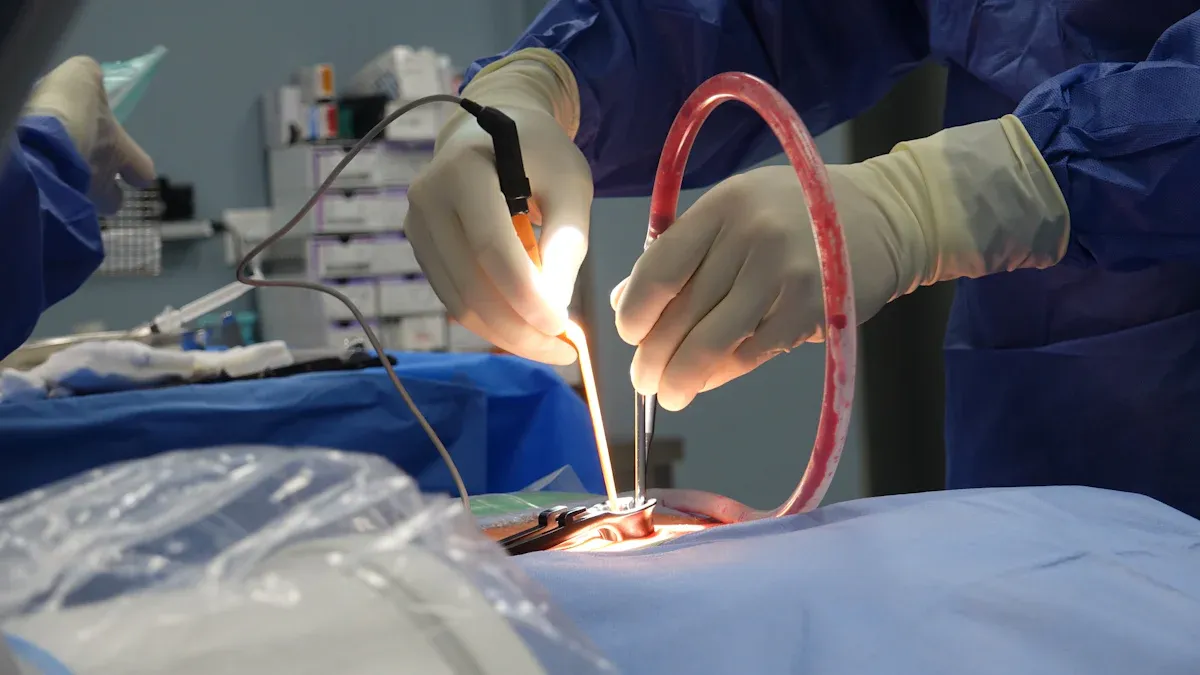
An interbody fusion cage is an implanted spinal device placed in the intervertebral space after the surgeon removes all or part of a damaged disc during a planned fusion procedure. The FDA definition includes devices made from materials such as titanium and polymers and inserted into the cervical or lumbosacral intervertebral space.
The cage is not a replacement disc intended to preserve normal motion. Its role is associated with fusion: it supports the treated segment while new bone develops between adjacent vertebrae. Many designs include an internal opening or graft chamber for bone-graft material and external features intended to interact with the vertebral endplates.
XC Medico organizes its available designs within its interbody cage product categories. Product pages are useful for understanding the range, but the applicable indications, contraindications, fixation requirements and surgical technique must be confirmed from the current device labeling.
How Spinal Cages Support Disc Height, Alignment and Fusion
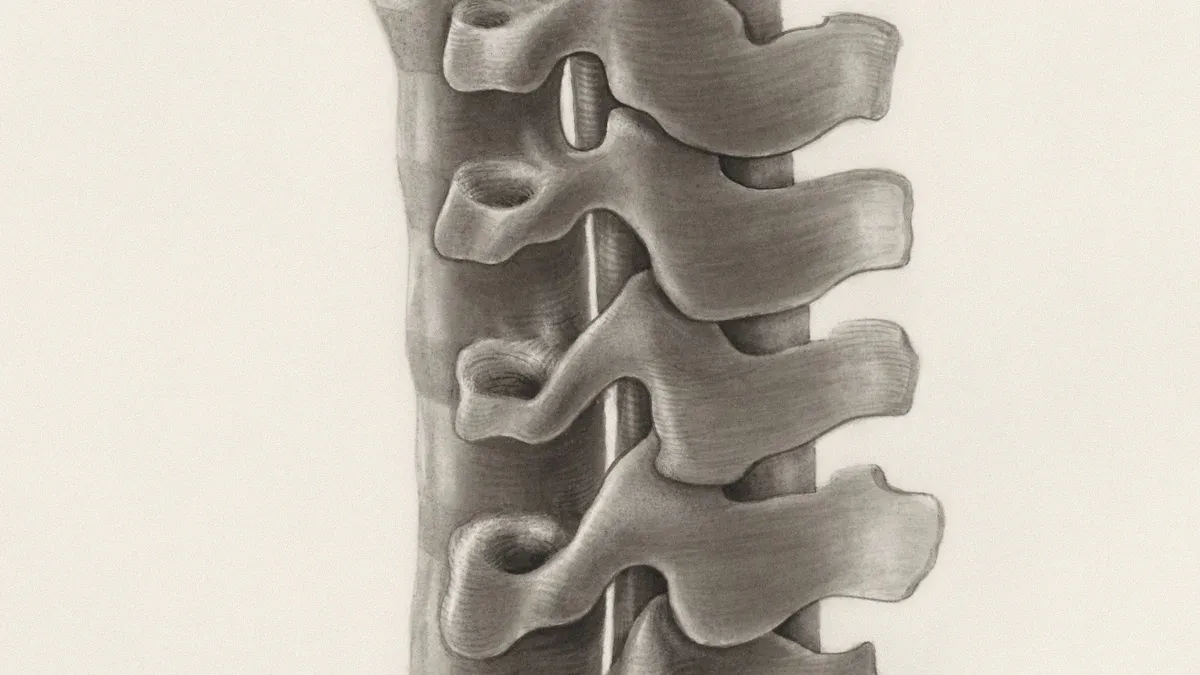
Important distinction: decompression of a nerve is performed through the surgical procedure. A cage may help maintain disc or foraminal height in selected constructs, but it should not be described as independently curing nerve compression or guaranteeing pain relief.
Types of Interbody Cages by Surgical Approach
Interbody cages are commonly categorized by the spinal region and the approach used to reach the disc space. The abbreviations describe the procedure, not simply the implant shape. A product authorized for one approach should not be assumed suitable for another.
For a broader view of how cages connect with pedicle screws, cervical plates and approach-specific instruments, review XC Medico's spine implant and instrument systems.
| Cage or approach | General access route | Common design considerations | System elements to confirm |
|---|---|---|---|
| Cervical / ACDF cage | Anterior cervical approach | Compact footprint, cervical heights and angles, graft chamber and imaging markers. | Whether a separate anterior plate or integrated fixation is required or authorized. |
| TLIF cage | Transforaminal lumbar approach | Insertion profile, footprint, final orientation, inserter connection and lordotic options. | Open or minimally invasive instruments and supplemental posterior fixation. |
| PLIF cage | Posterior lumbar approach | Posterior access, cage number and position as specified by the particular system. | Trials, inserters, graft tools and posterior fixation compatibility. |
| ALIF cage | Anterior lumbar approach | Larger footprints, height and lordosis ranges, standalone or supplemental fixation design. | Approach instruments, fixation screws or plates and product-specific labeling. |
| LLIF / OLIF cage | Lateral or oblique lumbar approach | Wide footprint, lateral insertion profile and approach-specific instrumentation. | Neuromonitoring, access system and supplemental fixation requirements as applicable. |
Cervical Interbody Cages for ACDF
Cervical interbody cages are used in selected anterior cervical discectomy and fusion procedures. Designs may be used with a separate anterior cervical plate or may incorporate fixation features, depending on the authorized system. Review XC Medico's ACDF cervical fusion solutions for a product-system overview.
TLIF and PLIF Cages for Posterior Lumbar Fusion
TLIF and PLIF both access the lumbar disc space from posteriorly based routes, but the operative corridor, cage geometry, insertion method and cage configuration can differ. It is inaccurate to state that every interbody procedure uses two cages. For an example of procedure-specific system organization, see the TLIF and MIS-TLIF cage systems.
ALIF and Lateral Lumbar Cages
ALIF cages are inserted through an anterior lumbar approach. Lateral and oblique approaches use different access corridors and specialized instruments. These cage families often offer footprints and lordotic options designed around their access route. The stand-alone ALIF PEEK cage system illustrates an integrated cage-and-screw configuration; its specifications should not be generalized to every ALIF device.
Static vs Expandable Interbody Cages
Static cages have predetermined dimensions. Expandable cages are inserted in a compact configuration and adjusted within their authorized range after placement. Expandability does not automatically mean better clinical outcomes. Device mechanics, expansion limits, endplate contact, alignment goals, fixation and available evidence must all be considered.
PEEK vs Titanium Interbody Cages
PEEK and titanium are widely used in interbody fusion devices, but neither is universally superior. Material properties interact with cage geometry, surface structure, endplate preparation, patient factors and the complete fixation construct. Marketing claims should not be substituted for device-specific evidence.
| Material or design | Imaging characteristics | Mechanical and surface considerations | Questions to verify |
|---|---|---|---|
| PEEK | Radiolucent cage body; radiopaque markers are commonly used to show position. | Polymer properties differ from metals; geometry and manufacturing process remain important. | Medical-grade specification, marker design, dimensions, surface, testing and labeling. |
| Solid titanium alloy | Radiopaque and may create imaging artifact depending on device and modality. | High strength; modulus and surface behavior differ from PEEK. | Alloy specification, manufacturing route, surface condition and mechanical evidence. |
| Porous or additively manufactured titanium | Radiopaque; visualization depends on geometry and imaging conditions. | Porous architecture introduces manufacturing, cleaning and verification considerations. | Porosity specification, process validation, cleanliness and supporting performance evidence. |
| Titanium-coated PEEK | Retains a radiolucent polymer body with a radiopaque surface component. | Coating adhesion, coverage, particles and interface behavior require control. | Coating process, validation, inspection, cleaning and product-specific evidence. |
Why Cage Material Does Not Determine Outcomes Alone
XC Medico groups available cervical and lumbar polymer designs within its PEEK cervical and lumbar cage range. Confirm the exact material grade, radiopaque marker, sterile or non-sterile condition and market authorization for each model.
Do not write "MRI safe" from material alone: MR safety or compatibility must be determined from the complete device system and its current labeling, not inferred from a general statement about PEEK or titanium.
How Are Interbody Cages Used in Spinal Fusion Surgery?
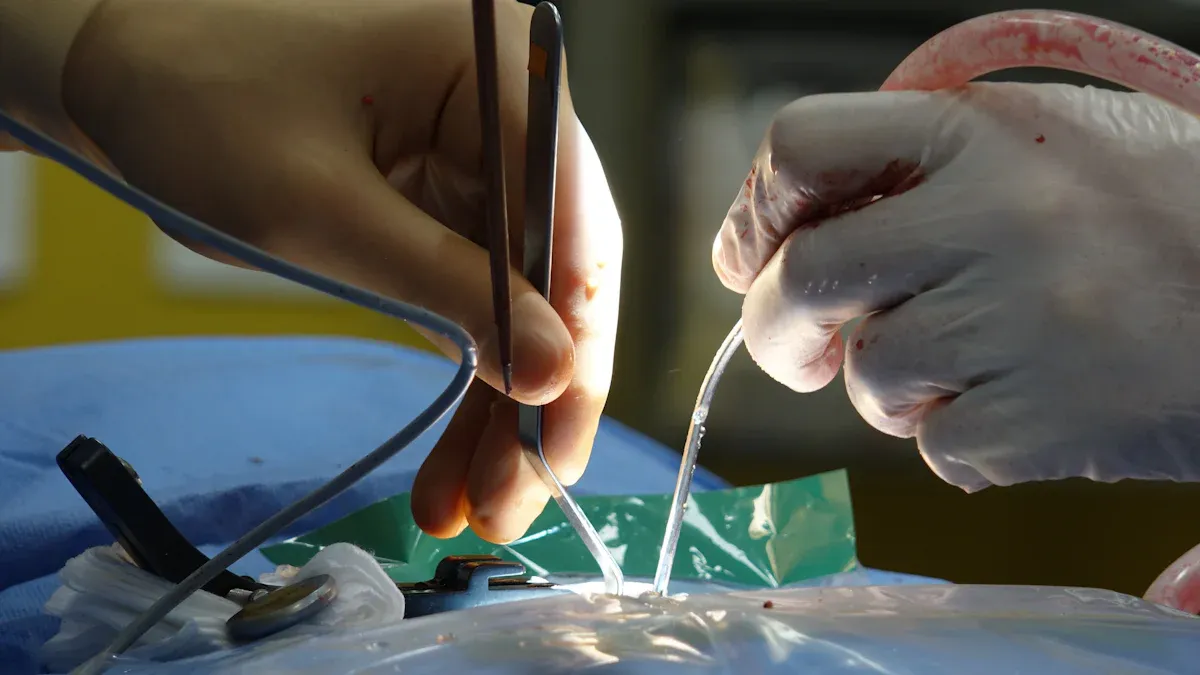
The details vary substantially between cervical, posterior lumbar, transforaminal, anterior and lateral approaches. The following is a high-level educational sequence rather than surgical instruction.
Disc Removal, Endplate Preparation and Cage Insertion
Professional-use requirement: interbody fusion is technically demanding surgery. The FDA recommends that these devices be implanted only by experienced spinal surgeons with specific training in the device. Patients should discuss procedure-specific benefits, alternatives and risks with their treating surgeon.
What Conditions May Be Treated with Interbody Fusion?
Interbody fusion may be considered as part of treatment for selected spinal conditions when a trained specialist determines that fusion is appropriate. The indication depends on the spinal region, symptoms, imaging, instability, previous treatment, patient factors and the authorized labeling of the chosen device.
- degenerative disc disease under the definition and conditions stated in the device labeling;
- selected cases of spondylolisthesis or spinal instability;
- some deformity corrections requiring reconstruction and fusion;
- pseudoarthrosis or revision surgery in selected circumstances;
- other conditions specifically covered by the surgeon's plan and device indications.
An interbody cage is not appropriate for every person with back or neck pain. Non-surgical treatment, decompression without fusion or another procedure may be considered depending on the diagnosis. This page cannot determine whether a patient needs surgery.
Potential Benefits and Risks of Interbody Cages
The intended goals of an interbody construct can include maintaining the prepared disc space, supporting segmental alignment, carrying load and providing an environment for bone fusion. These are design and procedural goals, not guaranteed patient outcomes.
Risk frequency cannot be summarized with one universal percentage across all cages and procedures. Outcomes vary with device, approach, number of levels, fixation, graft, patient health, study design and follow-up. For this reason, the unsupported ALIF, TLIF and PLIF fusion-rate comparison from the previous article should not be republished.
How Do Surgeons Select an Interbody Cage?
Selection is device- and patient-specific. Factors may include spinal level, approach, disc-space dimensions, endplate anatomy, desired alignment, bone quality, cage footprint, height, lordotic angle, material, graft volume, imaging markers, insertion method and supplemental fixation.
The cage must also be compatible with its trials, inserter, graft instruments and any integrated or supplemental fixation. A similar-looking instrument from another system should not be assumed compatible. Hospitals and distributors should evaluate implants together with the matched instrument set and current instructions for use.
Responsible wording: there is no single "best interbody cage." The appropriate option is selected by the treating surgeon from authorized devices according to the patient's needs, the planned procedure and product-specific labeling.
Interbody Cage Systems for Hospitals and Distributors
Professional buyers need more than a list of cage materials. Evaluate whether the height, footprint and lordosis matrix matches local procedure demand; whether trials and inserters are complete; and whether product authorization, labeling, traceability, packaging, sterilization and post-market support are available for the destination country.
The complete spine implant portfolio guide explains how cages fit with cervical and thoracolumbar fixation systems. Buyers seeking a deeper manufacturing and supplier comparison can continue to the separate interbody fusion cage manufacturer guide.
This separation is intentional: the present article answers the informational question "what are interbody cages?" while the linked guide addresses product development, materials, manufacturing and supplier selection.
Frequently Asked Questions About Interbody Cages
What is an interbody cage used for?
An interbody cage is used in selected spinal fusion procedures to support the prepared space between adjacent vertebral bodies and often to accommodate bone-graft material while fusion develops.
Is an interbody cage an artificial disc?
No. An artificial disc is generally intended to preserve motion. An interbody fusion cage is used as part of a procedure intended to create fusion between adjacent vertebrae.
What is placed inside an interbody cage?
Many cage designs include space for bone-graft material. The graft type and placement are determined by the surgeon according to the procedure, patient and applicable product labeling.
What is the difference between TLIF, PLIF and ALIF cages?
The terms correspond to different lumbar surgical approaches. Each approach can require a different cage footprint, insertion profile, orientation and instrument system. Product names alone do not establish interchangeability.
Is PEEK better than titanium for a spinal cage?
Neither material is universally better. PEEK and titanium have different imaging, mechanical, surface and manufacturing characteristics. Selection should consider the complete device design, authorized use, supporting evidence and surgical plan.
Can an interbody cage be used without screws or rods?
Some systems incorporate fixation or are authorized for specific stand-alone applications, while others require supplemental plates, screws or rods. Follow the current labeling and surgical technique for the exact device.
What are the main risks associated with interbody cages?
Potential risks can include subsidence, migration, loss of fixation, component failure, pseudoarthrosis, infection and neurological, vascular or tissue injury. Procedure- and patient-specific risks should be discussed with the treating surgeon.
Medical and Regulatory References
- U.S. FDA: Class II Special Controls Guidance for Intervertebral Body Fusion Devices
- Royal National Orthopaedic Hospital: Patient Guide to Low Back Fusion Surgery
- North American Spine Society: Fusion Cage Design, Materials and Coatings

