


Sports medicine · ACL reconstruction guide
ACL graft fixation devices secure a reconstruction graft to the femur and tibia while biological integration develops. Interference screws, cortical buttons, staples, posts, anchors, and hybrid constructs create fixation in different locations and by different mechanisms. No single device is ideal for every patient, graft, tunnel, or revision scenario.
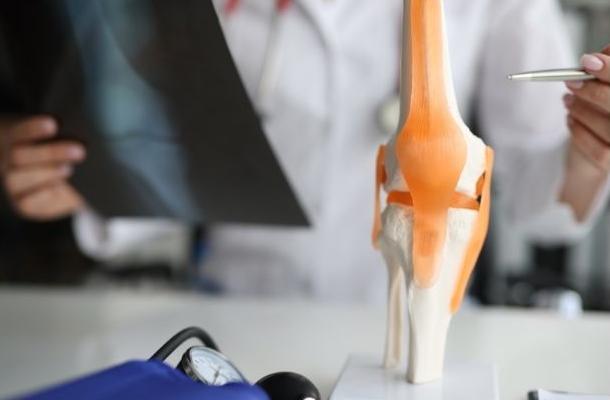
ACL Repair and ACL Reconstruction Are Not the Same Procedure
The terms ACL repair and ACL reconstruction should not be used interchangeably.
| Procedure | What is treated | How fixation is used |
|---|---|---|
| Primary ACL repair | Selected tears are reapproximated in an attempt to preserve the patient's native ligament. | Sutures, anchors, buttons, or an augmentation construct may support the repaired ligament, depending on technique. |
| ACL reconstruction | The torn ACL is functionally replaced with an autograft or allograft. | The graft is secured in femoral and tibial tunnels or sockets using aperture, suspensory, or hybrid fixation. |
This article focuses mainly on graft fixation during ACL reconstruction. Primary repair is available only for selected injury patterns and has different indications, biology, instrumentation, and rehabilitation considerations.
Fixation devices do not make an ACL procedure minimally invasive by themselves. Arthroscopic access, tunnel or socket preparation, graft choice, associated meniscal or cartilage treatment, and the overall surgical technique determine tissue disruption and recovery.
Why Does Graft Fixation Matter in ACL Reconstruction?
A reconstruction graft must reproduce the stabilizing function of the native ACL. Before biological incorporation is established, the fixation construct carries load and limits graft displacement. The goal is to maintain the intended graft position and tension without damaging the graft or compromising the bone tunnel.
Fixation is only one part of the reconstruction. Tunnel placement, graft selection and preparation, pretensioning, knee position during fixation, treatment of associated injuries, rehabilitation, and patient factors also affect outcome.
Aperture, Suspensory, and Supplemental Fixation
Aperture fixation
Aperture fixation secures the graft close to the joint-line opening of the bone tunnel. An interference screw is the most familiar example. The screw compresses a soft-tissue graft or bone block against the tunnel wall. This can limit graft-tunnel motion, but placement must avoid graft laceration, divergence, joint penetration, and loss of fixation.
Suspensory fixation
Suspensory fixation transfers graft load to the outer cortex. A cortical button with a fixed or adjustable loop is commonly used on the femoral side and can also be used with all-inside techniques. Accurate tunnel length, button passage, cortical deployment, loop management, and graft seating are essential.
Supplemental or hybrid fixation
A hybrid construct combines fixation methods, or adds a staple, post-and-washer, anchor, or other backup device when the surgeon has concerns about primary fixation. Supplemental fixation adds interfaces and hardware, so its benefit and potential symptoms must be considered for the individual case.
Types of Knee Ligament Fixation Devices
Interference screws
Aperture fixation Femoral or tibialPlaced within the tunnel to compress the graft or bone block. Options include metallic, PEEK, and bioabsorbable or biocomposite materials. Diameter, length, thread design, insertion path, and graft protection matter.
Cortical buttons
Suspensory fixation Fixed or adjustable loopA button seats on the external cortex while a loop supports the graft. The technique can accommodate soft-tissue grafts and socket-based reconstruction, but requires confirmed deployment and seating.
Staples and posts
Supplemental fixation Backup optionLigament staples or screw-and-washer constructs may secure sutures or reinforce tibial fixation in selected cases. Hardware prominence and local irritation are relevant considerations.
Suture anchors and augmentation
Repair or reinforcement Technique dependentAnchors can secure soft tissue or sutures in selected repair and supplemental techniques. Suture-tape augmentation is not a substitute for correct indication, anatomic placement, appropriate tensioning, or biological healing.
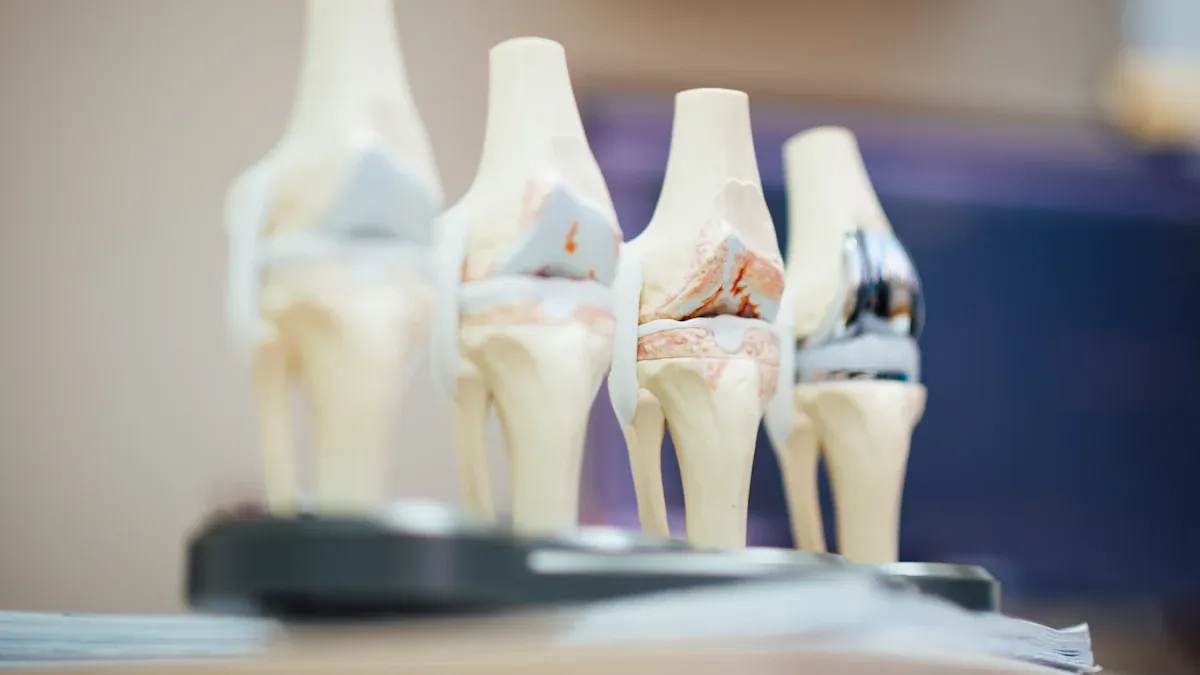
Metallic, PEEK, and Bioabsorbable Fixation Materials
| Material group | Potential advantages | Important considerations |
|---|---|---|
| Titanium or other metallic devices | High strength, established use, visible on radiographs, and no degradation response. | Imaging artifact, possible hardware symptoms, and potential interference with revision tunnel work. |
| PEEK | Radiolucent polymer, no bioabsorption, and easier visualization of the surrounding tunnel on some imaging. | Device remains in the body; position may require radiopaque markers or other verification. |
| Bioabsorbable or biocomposite polymers | Designed to degrade over time and may reduce permanent implant material. | Degradation is material-specific; cyst, inflammatory response, breakage, migration, or tunnel changes have been reported. |
A meta-analysis of 14 randomized trials found no significant difference in subjective knee function or laxity between bioabsorbable and metallic interference screws, while the bioabsorbable group had a higher pooled risk of complications. This does not mean every metallic screw is preferable; material, design, graft, technique, and patient context still matter.
How Surgeons Select an ACL Fixation Construct
Selection is made for both sides of the graft. The femoral and tibial devices do not have to use the same mechanism. Important factors include:
- Graft: bone-patellar tendon-bone, hamstring, quadriceps tendon, autograft or allograft, soft-tissue-only or bone-block end.
- Tunnel design: full tunnel or socket, diameter, length, cortical integrity, tunnel direction, and available bone stock.
- Patient factors: bone quality, age, activity goals, skeletal maturity, previous surgery, and associated injuries.
- Primary or revision surgery: existing tunnel widening, retained hardware, bone defects, and the need for staged reconstruction.
- Construct requirements: planned tensioning sequence, fixation location, backup fixation, imaging needs, and anticipated revision.
- System compatibility: graft size, drill and guide dimensions, implant inserters, loop length, screw dimensions, and validated instrument-device interfaces.
- Surgeon experience: familiarity with deployment, failure modes, rescue options, and intraoperative verification.
XC Medico's ACL/PCL ligament fixation system shows examples of implant and instrument configurations. Product information should always be reviewed against the device's authorized intended use and the surgeon's planned technique.
Do Buttons or Interference Screws Produce Better Results?
Current evidence does not support a simple universal ranking. A network meta-analysis comparing interference screw, cortical button, and cross-pin femoral fixation for hamstring autografts found no statistically significant differences across the primary clinical outcomes studied. Another systematic review found comparable function, laxity, and rerupture outcomes between all-inside suspensory fixation and full-tunnel reconstruction, while some radiographic tunnel findings differed.
| Comparison question | Balanced interpretation |
|---|---|
| Is aperture fixation more anatomic? | It secures the graft near the joint-line tunnel opening, but anatomic success also depends on correct tunnel position, graft size, tension, and placement. |
| Is suspensory fixation stronger? | Cortical suspension can provide adequate initial strength, but construct performance depends on button seating, loop behavior, cortex, tunnel, and graft. |
| Does a bioabsorbable screw improve outcomes? | It reduces permanent metallic material, but clinical superiority has not been established and material-specific complications require consideration. |
| Does backup fixation always help? | It may be useful when primary fixation is a concern, but adds hardware and may not improve meaningful outcomes in every routine reconstruction. |
The practical conclusion is that secure, accurately applied fixation matched to the graft and tunnel is more important than selecting a device by marketing category alone.
How Instrument Sets Support Reproducible ACL Reconstruction
An implant works as part of a complete system. Tunnel guides, sizing blocks, passing sutures, reamers, depth gauges, button inserters, screwdrivers, taps, graft preparation tools, and tray organization all affect workflow. A mismatched guide, damaged driver, incorrect drill size, or missing passing instrument can compromise an otherwise appropriate fixation plan.
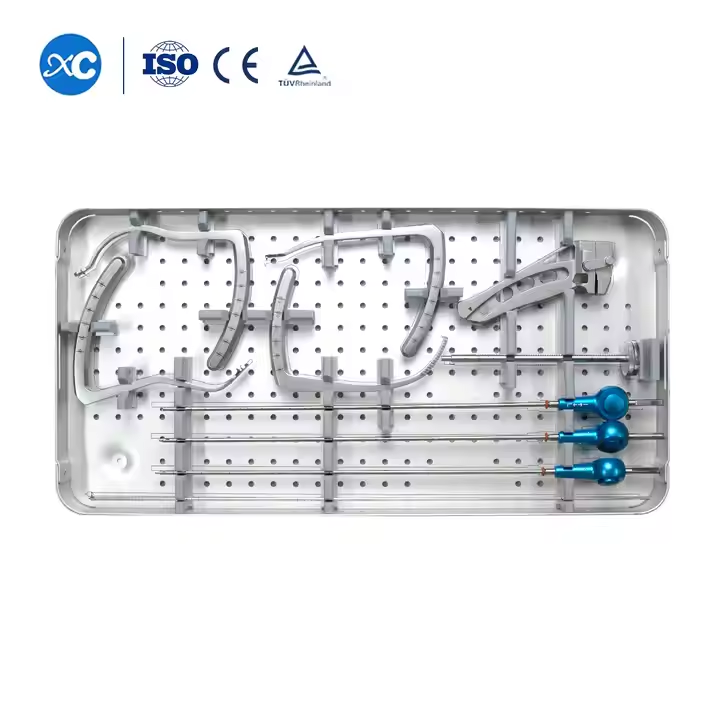
Explore an all-in cruciate ligament reconstruction instrument set or the broader arthroscopy instrument-set range. Before use, verify tray contents, compatibility, cleaning and sterilization instructions, inspection criteria, and replacement availability.
Potential Fixation-Related Complications
Complications can arise from the device, graft, tunnel, technique, biology, infection, rehabilitation, or reinjury. Fixation-related problems may include:
- loss of fixation, graft slippage, elongation, or construct loosening;
- button migration, incomplete cortical deployment, soft-tissue interposition, or loop-related problems;
- screw divergence, breakage, migration, joint penetration, or graft damage during insertion;
- prominent staple, post, washer, or button causing local irritation;
- tunnel widening, cyst formation, or a material-related inflammatory response;
- difficulty with imaging interpretation or future revision tunnel preparation;
- infection, stiffness, arthrofibrosis, persistent instability, graft failure, or reinjury.
Symptoms and recovery cannot be predicted from the fixation device alone. New instability, fever, wound drainage, increasing swelling, calf pain, loss of motion, or unexpected worsening pain requires assessment by the treating clinical team.
Does Stronger Fixation Mean Faster Rehabilitation?
Secure initial fixation helps support the planned rehabilitation program, but it does not automatically shorten recovery. Weight bearing, bracing, range of motion, strengthening, running, pivoting, and return-to-sport progression depend on the graft, associated meniscal or cartilage procedures, fixation, swelling, strength, neuromuscular control, clinical examination, and the surgeon and physical therapist's protocol.
AAOS guidance emphasizes functional evaluation before return to sport and recommends individualized rehabilitation. A fixation device should not be used as the sole reason to accelerate loading or remove a brace. Many ACL reconstructions are performed as outpatient procedures, but discharge timing is determined by the complete clinical situation rather than the implant category.
What Should Hospitals and Distributors Check?
Procurement review should connect each implant to its instruments, labeling, regulatory documentation, and traceability. A polished catalog or broad claim of international compliance is not sufficient.
- Confirm intended use and market authorizationMatch the exact device, model, material, legal manufacturer, classification, and destination market.
- Review implant-instrument compatibilityCheck driver interfaces, drill and tunnel sizes, inserters, depth gauges, buttons, loops, screws, staples, and backup options.
- Verify materials and mechanical evidenceRequest specifications, lot-linked certificates, relevant tests, inspection methods, and acceptance criteria.
- Assess packaging and sterilization statusClarify sterile or non-sterile supply, shelf life where applicable, labeling, traceability, and validated reprocessing instructions.
- Inspect the complete trayUse a controlled count sheet, confirm markings and condition, and test instrument function before approval.
- Review change control and complaint supportDefine notification for changes to material, design, supplier, process, labeling, packaging, or sterilization.
Buyers can review XC Medico's quality control and inspection process and request device-specific evidence during qualification.
Related XC Medico Sports Medicine Resources
Frequently Asked Questions
What holds an ACL graft in place?
The graft is usually secured on the femoral and tibial sides with interference screws, cortical buttons, cross-pins, posts, staples, or a combination. The construct depends on graft type, tunnel design, bone quality, and technique.
What is the difference between an interference screw and a cortical button?
An interference screw provides aperture fixation by compressing the graft or bone block within the tunnel. A cortical button provides suspensory fixation by seating on the outer cortex and supporting the graft through a loop.
Are bioabsorbable ACL screws better than metal screws?
Not universally. Randomized-trial evidence has found similar subjective function and laxity, while some pooled analyses report more complications with bioabsorbable screws. Material, design, technique, imaging, and revision considerations all matter.
Can the same fixation device be used for every graft?
No. Bone-block and soft-tissue grafts have different interfaces, and graft diameter, length, tunnel design, and cortical bone affect compatibility. Follow the authorized device instructions and planned surgical technique.
Does an internal brace replace an ACL graft?
Not automatically. Suture-tape augmentation may reinforce a selected repair or reconstruction construct, but its role depends on the procedure and indication. It does not correct poor tissue quality, nonanatomic placement, or inadequate primary fixation.
Do ACL fixation devices need to be removed?
Routine removal is not always required. Removal may be considered for symptomatic or prominent hardware, infection, migration, revision surgery, or another specific clinical reason.
Conclusion
ACL fixation devices make modern reconstruction possible by stabilizing the graft while biological integration occurs. Their value comes from the combination of correct indication, anatomic tunnel placement, compatible instrumentation, appropriate graft tension, verified device deployment, and structured rehabilitation. Interference screws, cortical buttons, and hybrid constructs each have useful roles; selection should be individualized rather than based on a universal “best device” claim.
References and Editorial Basis
- American Academy of Orthopaedic Surgeons. Management of Anterior Cruciate Ligament Injuries Clinical Practice Guideline.
- Anterior Cruciate Ligament Reconstruction: Fixation Techniques.
- Comparison of Bioabsorbable and Metallic Interference Screws for Graft Fixation During ACL Reconstruction.
- Comparison of Interference Screw, Cortical Button, and Cross-Pin Femoral Fixation.
- All-Inside Suspensory Cortical Button Fixation Versus Full-Tunnel ACL Reconstruction.

